
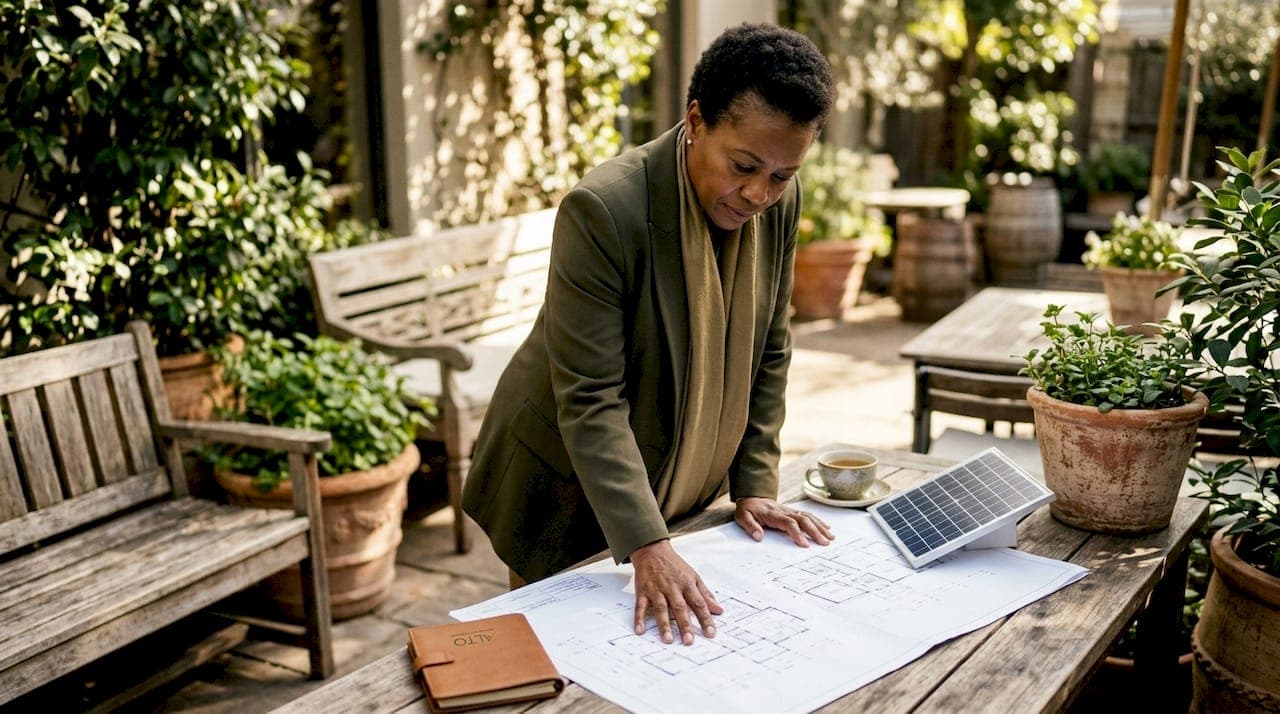
Eco hotel rooms cost more because they embed the amortised cost of substantial sustainable infrastructure directly into the nightly rate. Unlike conventional hotels, which defer or omit the expense of solar arrays, water recycling systems, and full building electrification, eco properties treat these as core assets. The result is a price premium that reflects real capital investment, not a marketing surcharge. Understanding why green hotels are expensive means understanding how those costs are built, spread over time, and ultimately returned to guests as lower environmental impact and higher quality stays. Altohotel, one of Melbourne's first environmentally rated hotels, is a clear example of this model in practice.
Why eco hotel rooms cost more: the infrastructure behind the price
The single largest driver of eco-friendly accommodation costs is upfront capital investment in sustainable infrastructure. A mid-sized 100-room property can spend $400,000 on solar installations alone, plus a further $150,000 on water recycling systems. Full building electrification can reach up to €3 million. These are not optional upgrades. They are the foundation of what makes a hotel genuinely eco-friendly.
Conventional hotels rarely carry these costs. They rely on grid electricity, municipal water, and gas-fired heating systems that require little upfront spend. Eco hotels internalise the environmental cost of energy and water use by building the infrastructure to manage it responsibly. That cost gets amortised across room nights over 10–25 years, which is why it shows up in your nightly rate.
The amortisation period matters. A $550,000 combined energy and water investment spread over 20 years adds a measurable but manageable cost per room per night. Electrification projects often carry payback periods of 15–25 years, meaning the hotel prices today to fund the sustainability performance guests expect tomorrow. This is infrastructure amortisation in action, and it is the key concept behind eco hotel pricing.
- Solar energy arrays: generate on-site power, reducing grid dependence and long-term energy bills
- Heat pumps and electrification: replace gas systems entirely, eliminating fossil fuel exposure
- Water recycling systems: reduce municipal water draw and wastewater costs
- EV charging infrastructure: adds guest services while reducing operating costs over time
- Eco-certified materials: higher upfront fit-out costs for non-toxic, sustainably sourced furnishings
Pro Tip: When comparing eco hotel rates, ask whether the property holds a recognised environmental rating. Certified properties have third-party verified infrastructure investments, which means the premium you pay is accountable.
How do local economic factors affect eco hotel pricing?
Sustainable hotel pricing does not exist in a vacuum. Labour markets absorb 25%–45% of nightly eco-lodge rates, and that figure shifts dramatically depending on where the property sits. In developed tourism economies like Costa Rica, labour costs consume 35%–45% of the rate. In lower-cost markets like Uganda, that figure drops to 25%–35%. The sustainability standard can be identical. The price is not.
Land cost and logistics compound this further. A property in a high-demand urban centre like Melbourne pays more for its footprint than a rural eco-lodge in East Africa. Supply chains for certified sustainable materials are also shorter and cheaper in regions with established green building industries. Where those supply chains are immature, import costs push prices up.
The practical implication for travellers is important. A cheaper eco hotel in a developing region does not signal lower sustainability. It signals lower labour and land costs, not lower standards. Conversely, a premium-priced eco property in a high-cost city reflects the economic reality of that market, not inflated green branding.
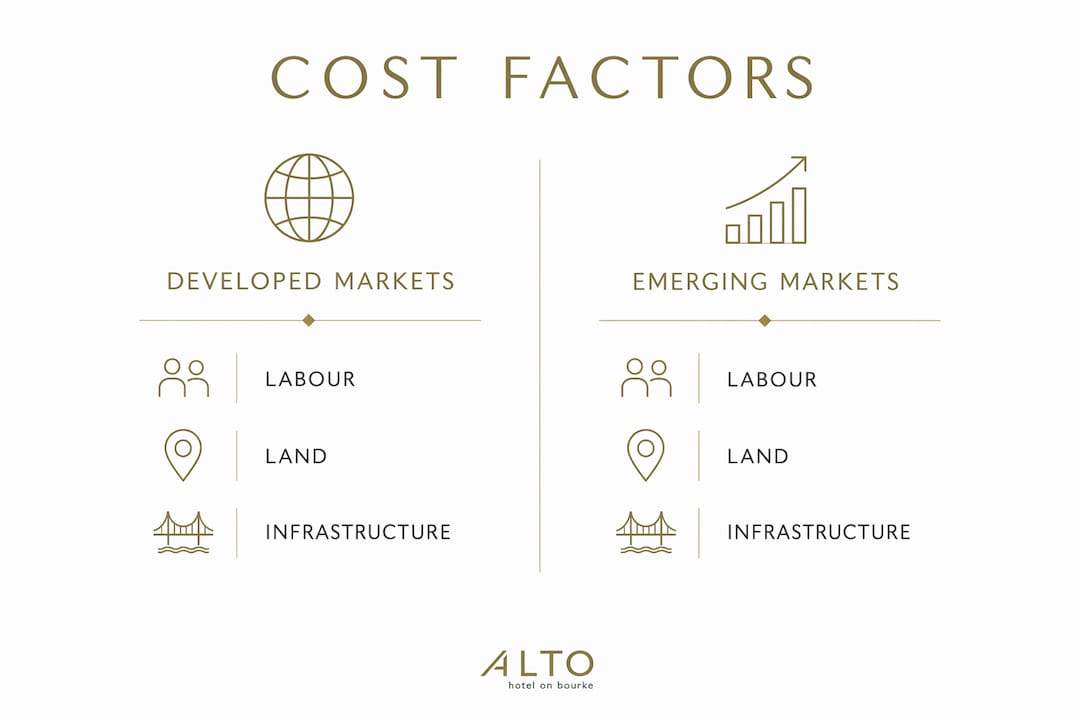
| Economic factor | Developed market (e.g., Costa Rica) | Emerging market (e.g., Uganda) |
|---|---|---|
| Labour as % of rate | 35%–45% | 25%–35% |
| Land and property cost | High | Low to moderate |
| Supply chain maturity | Established | Developing |
| Typical rate premium | Higher | Lower |
| Sustainability standard | Equivalent | Equivalent |
How does guest perception influence willingness to pay?
Travellers' acceptance of higher eco hotel rates depends heavily on what researchers call "green literacy." Guests who can identify specific sustainable practices are significantly more likely to accept a price premium than those exposed only to general green branding. Vague claims like "we care about the planet" do not move the needle. Specific, verifiable actions do.
This creates a real problem for eco hotels. An attitude-behaviour gap exists where travellers value sustainability in principle but hesitate to pay more unless the claims are credible and transparent. The solution is clear communication. Hotels that publish verified certification details, energy consumption data, and community investment figures give guests the evidence they need to justify the cost.
Transparent sustainability claims activate what researchers describe as "authentic pride" in guests. That emotional response increases willingness to pay and drives repeat bookings. For travellers, this means the quality of a hotel's sustainability communication is itself a signal of how genuine the commitment is. A property that cannot explain its green credentials clearly probably has fewer of them.
- Look for third-party certification: Green Star, EarthCheck, and national tourism authority ratings verify claims independently
- Ask about specific metrics: energy use per room, water consumption, and waste diversion rates are concrete indicators
- Check community investment: partnerships with local artisans and suppliers signal genuine local commitment, as Altohotel demonstrates through its local producer partnerships
- Read the sustainability report: properties with published annual reports take accountability seriously
Pro Tip: Before booking, search the hotel name alongside its certification body. If the certification is current and publicly listed, the premium is grounded in verified performance.
Are eco hotels really more expensive to operate long term?
The assumption that sustainable hotels carry permanently higher costs is wrong. One net-zero property reported an energy cost of $5 per occupied room night, compared to the industry average of $16. That is a $11 saving per room per night, which compounds significantly across a full property at high occupancy. The upfront investment is real. The long-term savings are equally real.
Radisson's fully electrified Manchester hotel offers a concrete case. After conversion, the property reported energy costs matching previous gas costs, despite eliminating fossil fuel use entirely. The electrification cost exceeded $1 million upfront. The operational result was cost parity, with the added benefit of insulation against future gas price volatility. That resilience has real financial value.
Hotels are increasingly treating renewables and smart energy systems as economic assets rather than optional extras. Integrated solar and EV charging infrastructure reduces the two largest operating cost lines while creating new guest services. As payback periods shorten with falling technology costs, the gap between eco hotel pricing and conventional hotel pricing will narrow. The sustainability premium is, in part, a funding mechanism for a more stable long-term cost base.
What value do travellers get beyond the room?
Eco hotel pricing frequently bundles value that conventional hotels charge separately. Conservation levies, community support programmes, and curated cultural experiences are often included in the rate rather than listed as add-ons. This bundling changes the true cost comparison significantly. A rate that appears 15% higher than a conventional hotel may include three or four experiences that would cost considerably more if purchased individually.
Eco hotel rates often include bundled transfers, local excursions, and wellness programmes that replace pay-as-you-go extras. Understanding this bundling is central to an accurate eco hotel value explanation. The nightly rate is not just accommodation. It is a package.
- Conservation fees: fund habitat protection and wildlife monitoring directly from your stay
- Community investment: a portion of the rate supports local employment, artisan partnerships, and cultural preservation
- Guided cultural experiences: curated local activities replace generic hotel entertainment at no extra charge
- Wellness and nature programmes: yoga, guided walks, and farm-to-table dining are often included rather than priced separately
- Sustainable food sourcing: locally sourced menus, supported by sustainable food practices, add quality and traceability to every meal
Altohotel reflects this model in an urban context. Its partnerships with Melbourne's local artisans and organisations mean guests receive a culturally grounded experience that extends well beyond the room itself. The Hall of Fame recognition from Victorian tourism confirms that this approach delivers measurable guest value, not just good intentions.
Key takeaways
Eco hotel rooms cost more because they internalise capital investment, labour costs, and environmental responsibility that conventional hotels routinely externalise or defer.
| Point | Details |
|---|---|
| Infrastructure drives the premium | Solar, electrification, and water systems cost $400,000–$3 million upfront and are spread across room nights over decades. |
| Labour markets shape regional pricing | Labour absorbs 25%–45% of eco-lodge rates; cheaper properties in developing markets reflect lower wages, not lower standards. |
| Green literacy unlocks willingness to pay | Guests who see specific, verified sustainability claims are far more likely to accept higher rates than those shown vague green branding. |
| Long-term costs can be lower | Net-zero properties report energy costs as low as $5 per occupied room, versus the $16 industry average. |
| Bundled value changes the comparison | Conservation fees, cultural experiences, and wellness programmes are often included in eco rates, not charged separately. |
The green premium is not what most travellers think it is
By Kamal
Most travellers I speak with assume the eco hotel premium is a kind of ethical tax. You pay more because you care more, and the hotel pockets the difference. That framing is almost entirely wrong, and it does real damage to how people evaluate sustainable accommodation.
The premium is an accounting reality. Eco hotels carry costs that conventional properties push onto the environment, the community, or future guests. When a hotel installs solar panels, it is not adding a luxury. It is paying a bill that every hotel generates but most refuse to acknowledge. The price difference is not a surcharge. It is the honest cost of running a building responsibly.
What I find genuinely interesting is the long-term inversion. The properties investing heavily today are building towards lower operating costs and greater resilience. The conventional hotel paying low rates now is accumulating exposure to fossil fuel volatility, tightening regulations, and ageing infrastructure. The economics favour sustainability. They just favour it over a longer time horizon than most booking decisions consider.
My advice to travellers is straightforward. Stop comparing eco hotel rates to conventional rates as if they are the same product. Ask what the rate includes, what the certification covers, and what the hotel's actual energy and water performance looks like. When you find a property that answers those questions clearly, the premium stops feeling like a cost. It starts feeling like a fair price for something genuinely better.
— Kamal
Sustainable stays in Melbourne: Altohotel's approach
Altohotel on Bourke has been one of Melbourne's first environmentally rated hotels for good reason. Its commitment to verified sustainability is not a marketing position. It is built into the property's infrastructure, its supplier relationships, and its guest experience.
Travellers who want to understand how to choose an eco hotel with genuine credentials will find Altohotel's transparency refreshing. The hotel publishes its environmental ratings, partners with local Melbourne artisans, and delivers a stay that reflects the true cost of doing hospitality responsibly. For eco-conscious travellers visiting Melbourne, book directly with Altohotel to support a property where the premium is fully accounted for.
FAQ
Why are eco hotel rooms priced higher than standard rooms?
Eco hotel rooms carry the amortised cost of sustainable infrastructure such as solar panels, water recycling systems, and building electrification, which conventional hotels do not invest in. These capital costs are spread across room nights over 10–25 years and appear directly in the nightly rate.
Does a cheaper eco hotel mean lower sustainability standards?
A lower rate at an eco property in a developing country reflects lower local labour and land costs, not reduced sustainability. Labour absorbs 25%–45% of eco-lodge rates, so regional wage differences drive price gaps more than environmental standards do.
How can I tell if an eco hotel's premium is justified?
Look for third-party environmental certification and specific, verifiable sustainability metrics such as energy use per room and water consumption data. Vague green branding does not justify a premium. Certified, transparent performance data does.
Do eco hotels cost more to run than conventional hotels?
Not necessarily. Net-zero properties have reported energy costs as low as $5 per occupied room night, compared to the $16 industry average. Upfront investment is high, but long-term operational costs can be significantly lower.
What extras are typically included in eco hotel pricing?
Eco hotel rates often bundle conservation fees, community investment contributions, guided cultural experiences, and wellness programmes into the nightly rate. These inclusions mean the true cost comparison with conventional hotels is closer than the headline rate suggests.