
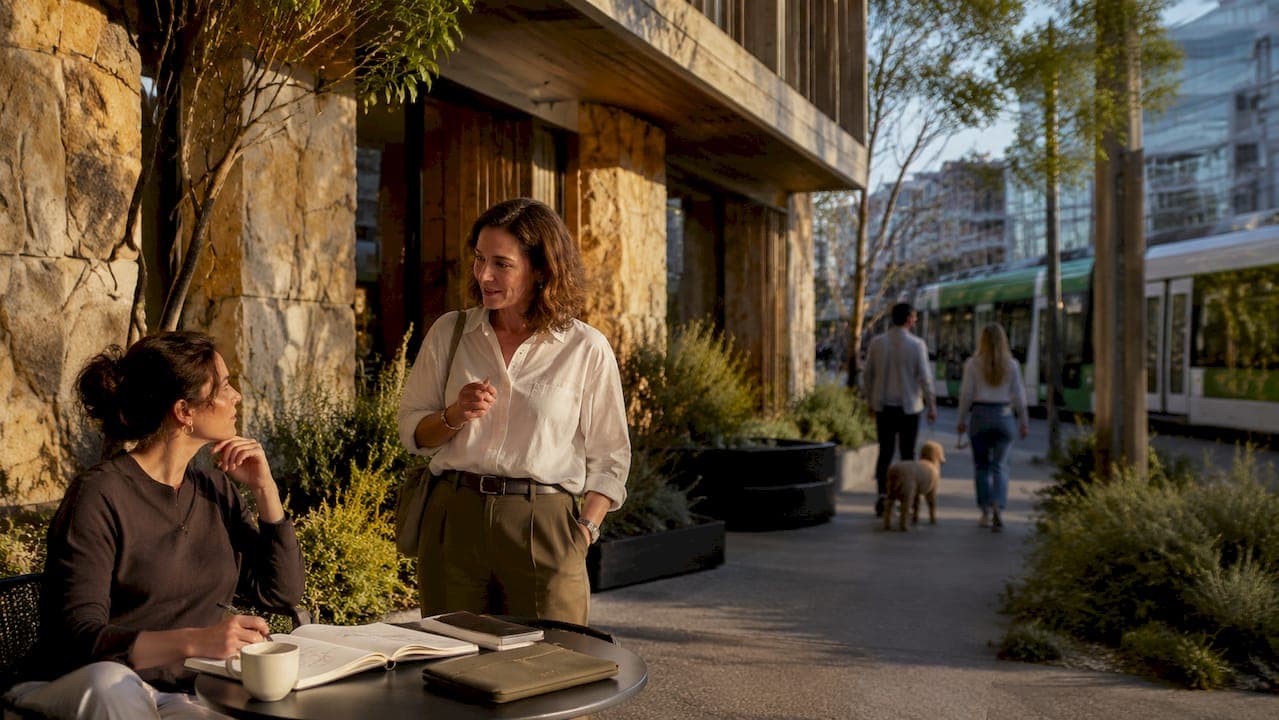
Place-based hotel design is the practice of rooting a hotel's architecture, materials, operations, and identity in the specific culture, landscape, and community of its location. The industry term for this approach is contextual hotel design, and it goes far beyond decorating a lobby with local artwork. A majority of travellers now prioritise authentic, locally rooted experiences over generic hotel stays, viewing their spend as direct support for local economies. Altohotel, recognised in the Victorian tourism Hall of Fame, demonstrates this principle in Melbourne: every design and operational choice connects guests to the city's character rather than delivering a standardised product. The result is a hospitality model that outperforms generic alternatives on guest satisfaction, sustainability, and long-term business value.
What is place-based hotel design and its core principles?
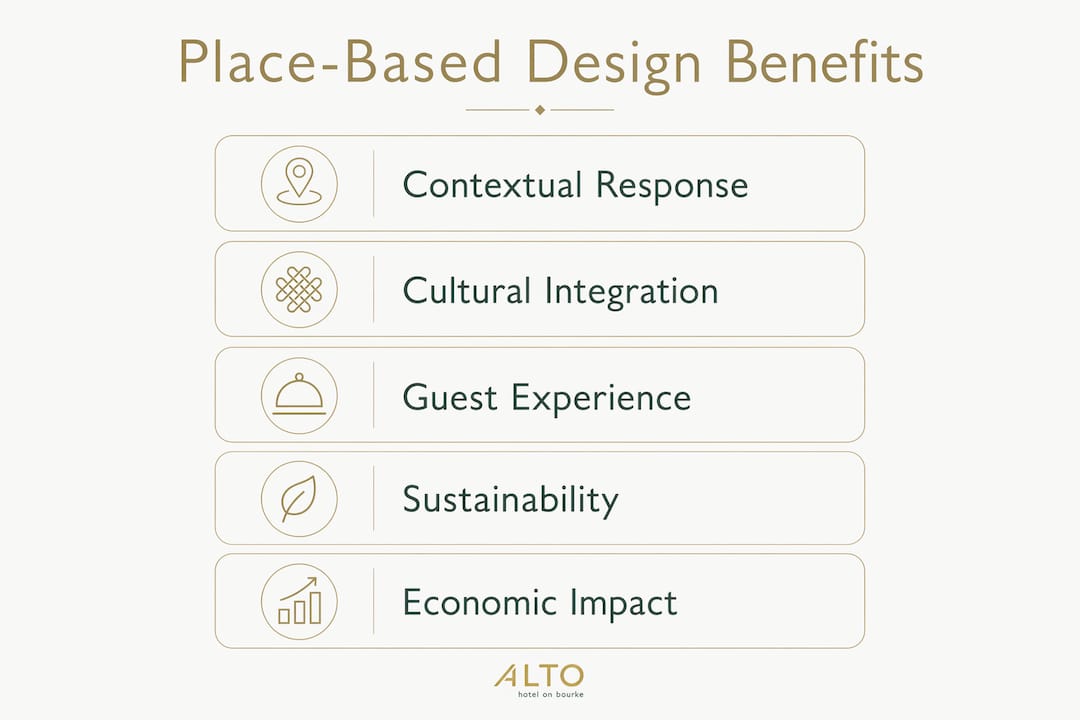
Place-based hotel design is defined by four non-negotiable principles: contextual response, cultural integration, community collaboration, and adaptive sustainability. Each principle shapes decisions from the building's orientation to the soap in the bathroom.
Contextual response means the building responds to its physical environment. Climate, topography, prevailing winds, and natural light all inform the structure. A hotel in coastal Queensland uses cross-ventilation and shading that a Melbourne laneway hotel does not need. Contextual hotel design yields higher financial returns and smoother regulatory approval precisely because it aligns with the landscape rather than fighting it.
Cultural integration goes deeper than hanging local photographs. It means sourcing stone from regional quarries, commissioning furniture from local craftspeople, and programming spaces around community rituals. True place-based design is felt through the provenance of small details and natural rhythms, not through obvious cultural symbols or themed decor.
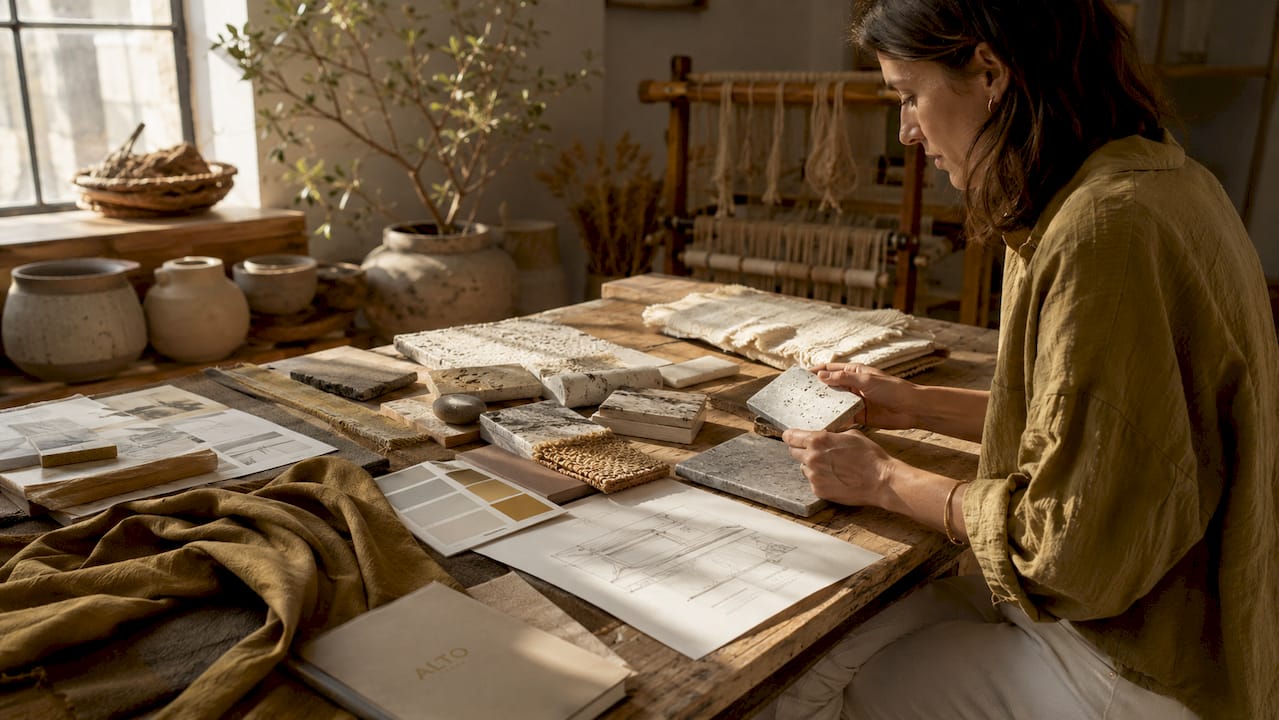
Community collaboration requires genuine partnerships with local businesses, artists, and residents before the first drawing is made. This is not a marketing exercise. It shapes the brief.
Adaptive sustainability treats the building as a living system. Materials are chosen for their local availability and low transport footprint. Operations are adjusted as the local environment changes over time.
- Contextual siting: orientation, shading, and ventilation respond to local climate
- Local materials: stone, timber, and textiles sourced within the region
- Cultural programming: events, rituals, and menus reflect local traditions
- Community partnerships: local artisans, producers, and organisations are embedded in operations
- Adaptive management: design and operations evolve as the local context changes
Pro Tip: Audit every material specification against a single question: could this element exist anywhere else in the world? If the answer is yes, replace it with something that could only come from this place.
How does place-based design improve the guest experience?
Place-based design creates a guest experience that generic hotel models structurally cannot replicate. The difference is emotional ownership: guests feel they have accessed something real rather than consumed a product.
Place-based branding fosters emotional connections that go beyond loyalty programmes by reflecting local rituals and collaborations. This matters because loyalty programmes reward repeat visits with points. Place-based design rewards the first visit with meaning. Guests who feel that connection return without needing an incentive.
The mechanism works through five specific design moves:
- Spaces that attract locals. Hotels that engage local residents with their spaces create authentic atmospheres that guests actively seek. A café or bar that locals genuinely use signals to travellers that the hotel is part of the neighbourhood, not a foreign object dropped into it.
- Local art as narrative. Commissioning site-specific works from local artists gives guests a story to engage with. Altohotel's partnerships with local artisans follow this model, embedding Melbourne's creative identity into the physical space. Explore how local art shapes design in boutique hotels for a detailed breakdown of this approach.
- Rituals over amenities. A morning tea service using a regional blend, or a welcome ritual drawn from local custom, creates a memory that a generic minibar does not. These moments are low cost and high impact.
- Provenance on the plate. A breakfast menu that names the farm supplying the eggs and the roaster supplying the coffee turns a functional meal into a local introduction.
- Neighbourhood access. Curated maps, introductions to local makers, and guided walks position the hotel as a gateway to the place rather than a retreat from it. Altohotel's approach to connecting guests to local makers is a practical model for this.
Community-driven hospitality models are linked to improved guest retention and positive local economic impact. Guest retention is the commercial proof that emotional connection works.
What are the sustainability and economic benefits?
Place-based hotel design delivers measurable sustainability and economic advantages. These are not side effects. They are built into the method.
On the environmental side, sourcing materials locally reduces transport emissions significantly. Climate-responsive architecture cuts energy consumption by reducing reliance on mechanical heating and cooling. A building that uses natural ventilation and passive solar design operates at lower cost and lower environmental impact across its entire life.
On the economic side, the benefits flow outward into the community. Partnerships with local artisans, food producers, and creative businesses keep spending within the local economy. This is not charity. It is a supply chain decision that also builds the hotel's identity. Community-driven models are linked to improved business metrics including guest retention and positive local economic impact.
| Benefit area | Mechanism | Outcome |
|---|---|---|
| Environmental | Local materials, passive design | Lower emissions, reduced energy costs |
| Regulatory | Site-sensitive design | Faster approvals, fewer objections |
| Economic | Local supplier partnerships | Community income, stronger hotel identity |
| Commercial | Authentic guest experience | Higher retention, stronger word-of-mouth |
| Reputational | Awards and recognition | Competitive differentiation |
Regulatory compliance is an underrated advantage. Contextual design produces fewer planning objections because the project visibly belongs to its site. Councils and communities are less likely to oppose a building that responds to its surroundings than one that ignores them.
Pro Tip: Map your supply chain geographically before finalising any material or product specification. Every kilometre you reduce in the supply chain is a cost saving, an emissions reduction, and a story you can tell guests.
How does adaptive design keep place-based hotels relevant?
Place-based design is not a one-time plan. Continuous place-based design treats the design brief as evolving, requiring iterative observations and adaptations across the project's life. This is the principle that separates genuine contextual design from a themed fit-out that dates badly.
The practical implication is that every design change influences the next set of requirements. A new local artist in residence changes what the gallery wall needs. A shift in the neighbourhood's character changes what the ground-floor programme should offer. A change in the local climate changes how the building performs.
Place-based projects require long-term, adaptive engagement that combines past legacies and future potential rather than fixed, one-size-fits-all solutions. This is a fundamentally different relationship between a hotel and its designers than the conventional handover model.
- Seasonal programming: menus, events, and spaces shift with local seasons and harvests
- Artist and maker rotations: new local collaborators are introduced regularly to keep the offer fresh
- Community feedback loops: local residents and guests contribute to ongoing design decisions
- Environmental monitoring: building performance is tracked and adjusted as local conditions change
- Neighbourhood observation: changes in the surrounding area inform updates to the hotel's public spaces
The contrast with a fixed architectural plan is stark. A generic hotel is designed once and maintained. A place-based hotel is designed continuously and evolved. The operational overhead is real, but so is the competitive advantage.
How can design professionals implement this approach?
Implementing place-based hotel design requires a structured process that begins before any design work starts. The research phase is not optional.
Start with deep local research. Spend time in the neighbourhood at different times of day and different days of the week. Talk to residents, traders, and community organisations. Read local history. Understand what the place values and what it has lost. This research shapes the brief more than any design trend.
Select materials with provenance. Every material specification should have a story that connects it to the location. Timber from a regional mill, stone from a local quarry, textiles from a nearby weaver. These choices are not just aesthetic. They are structural to the hotel's identity. See how heritage-inspired design projects handle this material selection challenge.
Balance heritage with comfort. Place-based design does not mean sacrificing guest comfort for authenticity. The goal is to deliver contemporary comfort through local means. A guest should sleep well and feel genuinely located in a specific place. These are not competing objectives.
Avoid superficial theming. The clearest pitfall in contextual hotel design is decorating rather than designing. Hanging local photographs and serving a regional dish does not constitute place-based design. The presence of place is felt through authentic materials, natural rhythms, and the provenance of elements, not through obvious cultural symbols.
Measure success beyond occupancy. Guest feedback, social impact metrics, local supplier spend, and community engagement all indicate whether the design is working. Occupancy tells you if people are coming. These metrics tell you if the place is doing its job.
Key takeaways
Place-based hotel design succeeds because it roots every design decision in the specific culture, landscape, and community of its location, creating experiences that generic models cannot replicate.
| Point | Details |
|---|---|
| Definition is precise | Place-based design responds to local context through materials, culture, and community, not themed decor. |
| Guest experience is the proof | Emotional connection through local rituals and spaces drives retention better than loyalty programmes. |
| Sustainability is structural | Local materials and climate-responsive design reduce costs and emissions across the building's life. |
| Design is continuous | Adaptive, iterative engagement keeps the hotel relevant as its neighbourhood and environment evolve. |
| Avoid the theming trap | Authentic provenance in small details outperforms obvious cultural symbols every time. |
Why place-based design is the most honest thing hospitality can do
I have spent years watching hotels spend enormous budgets on interiors that could exist in any city on earth. The brief is usually "luxury" or "contemporary," and the result is a room that is comfortable, forgettable, and completely disconnected from where it sits. Guests leave without knowing anything more about the place than when they arrived.
Place-based design is the correction to that. It is not a trend. It is a return to the reason hotels exist: to give people a genuine experience of a place they have travelled to reach. When I look at what Altohotel has built in Melbourne, I see a hotel that takes this seriously. The partnerships with local artisans, the commitment to eco-conscious materials, the Hall of Fame recognition from the Victorian tourism sector. These are not marketing decisions. They are design decisions that happen to market themselves.
The challenge I see most often is designers and operators confusing research with decoration. They visit the location, take photographs, and then apply a visual language to the interior. That is not place-based design. Real contextual design changes the structure of the brief, the supply chain, the programming, and the community relationships. It is harder, slower, and more expensive to start. It is also the only approach that produces a hotel worth returning to.
The future of hospitality belongs to hotels that know where they are. The ones that do not will keep competing on price.
— Kamal
Altohotel: place-based design in practice
Altohotel on Bourke in Melbourne is one of the clearest examples of place-based hospitality design in Australia. As one of the city's first environmentally rated boutique hotels, Altohotel has built its identity around authentic local partnerships, eco-conscious materials, and a guest experience that is genuinely rooted in Melbourne's character. The hotel's community partnerships and recognition in the Victorian tourism Hall of Fame reflect what this design approach produces when it is applied with consistency. Design professionals and travellers who want to understand what contextual hotel design looks like in practice will find a working model at Altohotel.
FAQ
What is place-based hotel design in simple terms?
Place-based hotel design is the practice of designing a hotel so that its architecture, materials, and operations are specific to its location, culture, and community. The result is a guest experience that could not exist anywhere else.
How is place-based design different from themed decor?
Themed decor applies a visual style to a generic space. Place-based design changes the building's structure, materials, supply chain, and programming to reflect the actual place it occupies.
What are the main benefits of place-based hotels?
The main benefits include stronger guest retention, lower environmental impact through local materials and passive design, positive local economic impact through supplier partnerships, and smoother regulatory approval due to site-sensitive architecture.
How do hotels keep place-based design relevant over time?
Continuous place-based design treats the brief as evolving. Hotels update their programming, rotate local collaborators, and adjust operations as the neighbourhood and environment change, rather than treating the original design as fixed.
Is place-based design only for boutique hotels?
Place-based design principles apply to any hotel scale, but boutique hotels implement them most consistently because their smaller size allows for tighter community relationships and more specific material sourcing.