
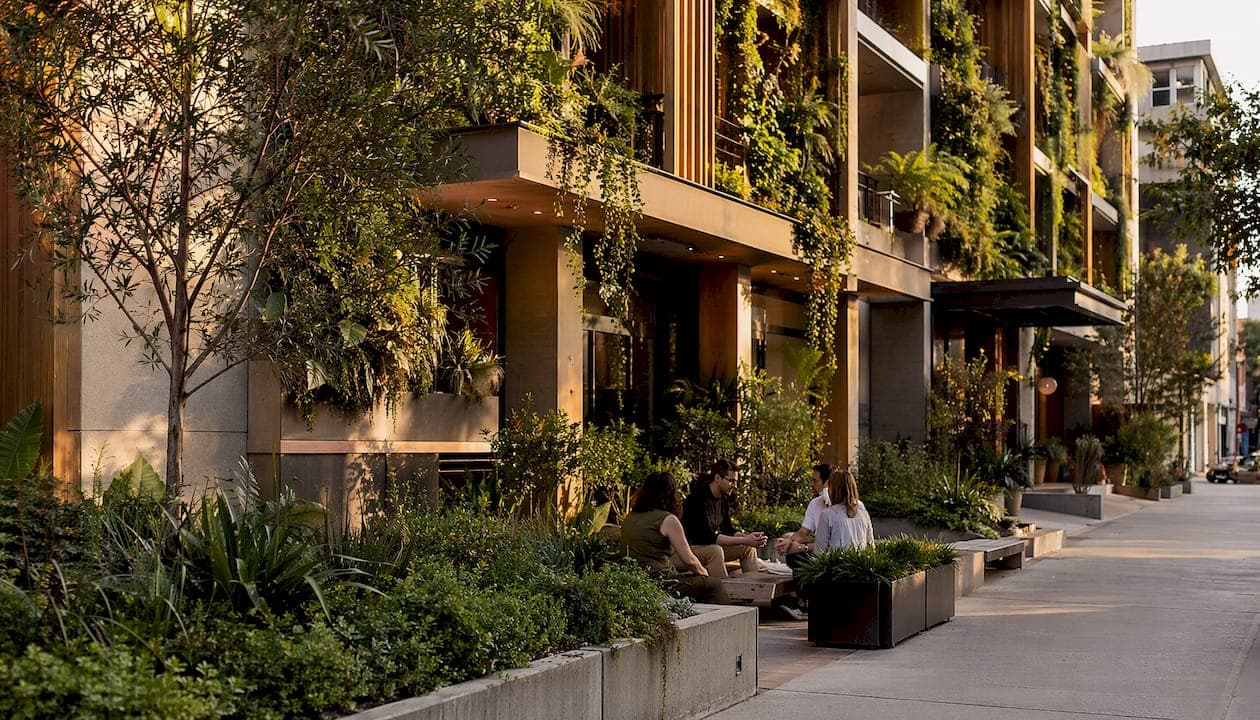
An urban nature experience hotel is an eco-friendly city accommodation that integrates natural environments, wellness design, and cultural immersion within an urban setting. The industry term for this concept is "biophilic hospitality," and it describes properties that go well beyond a potted fern in the lobby. Hotels like 1 Hotel Tokyo, which features over 1,500 plants woven into its architecture, and Seoul's Surak Hyu, with treehouse rooms elevated 14 metres above ground, define what this category looks like at its best. These properties combine biophilic design, sustainable operations, and wellness programming to offer something a standard city hotel cannot: genuine restoration.
What is an urban nature experience hotel, exactly?
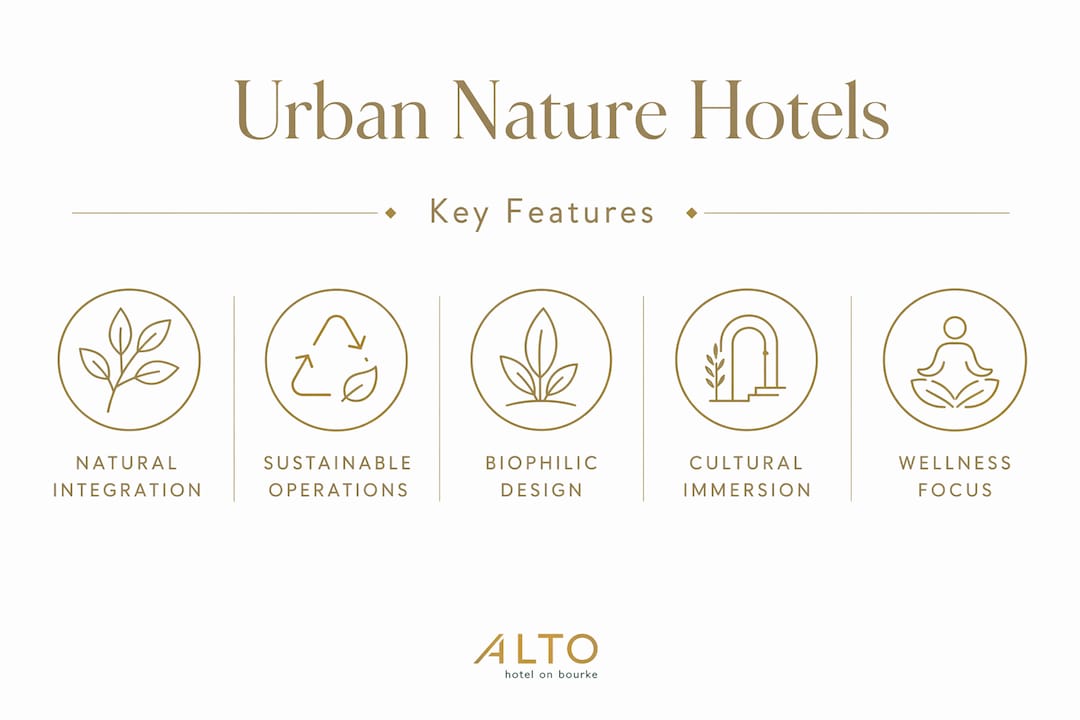
An urban nature experience hotel is defined by three core commitments: natural integration into the built environment, sustainable operations, and experiences that connect guests to place. This is not a marketing label applied to hotels with a rooftop garden. The distinction lies in how deeply nature and sustainability are embedded into the building itself, the guest programme, and the surrounding community.
Industry experts describe urban nature as a mindset, not a room category. The concept blends the energy of city life with the restorative quiet of natural environments, creating spaces that foster genuine connection rather than just accommodation. That framing matters because it separates hotels that perform sustainability from those that are built around it.
Biophilic design is the architectural language of this category. It draws on research showing that exposure to natural elements reduces stress and improves cognitive function. In practice, this means vertical moss walls, reclaimed timber, water features, and rooms oriented to maximise natural light. The goal is for guests to feel the presence of nature without leaving the city.
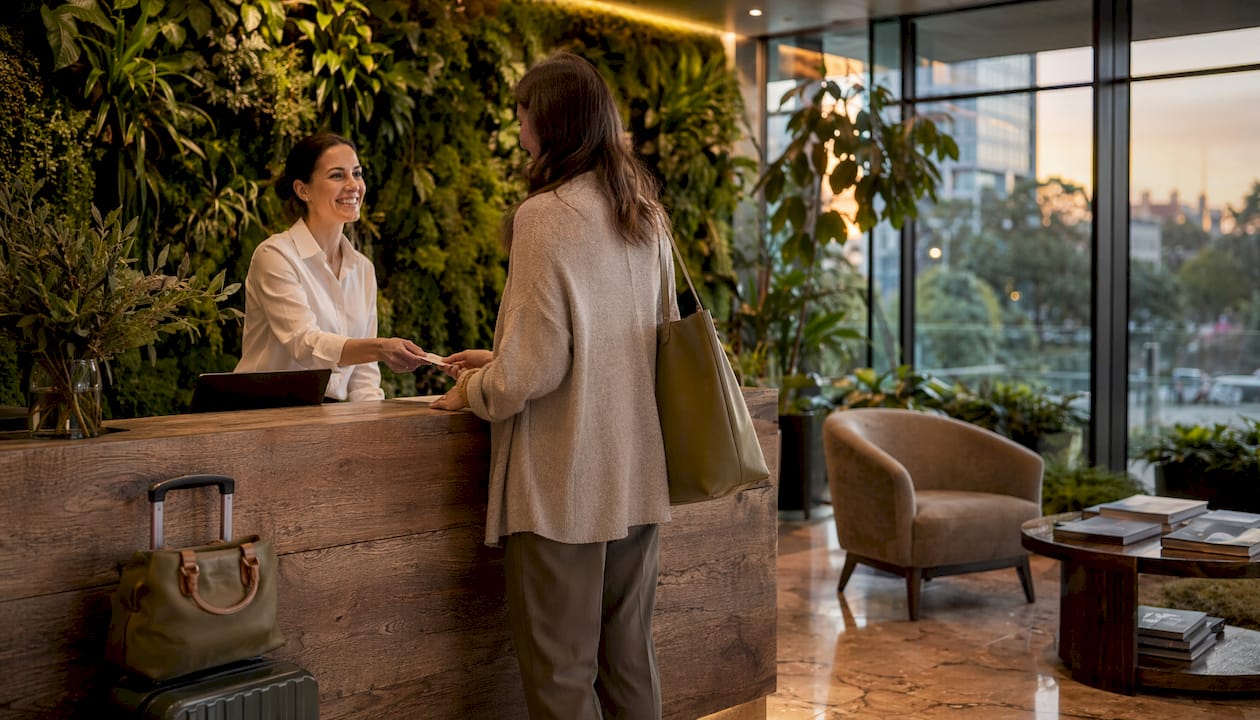
What features and design elements define these hotels?
The physical design of a nature-inspired city stay sets it apart from conventional urban accommodation. Biophilic design extends well beyond plants to include vertical moss walls and reclaimed wood sourced from local suppliers, elevated treehouse-style rooms, and architecture that responds to natural light cycles. These are not decorative choices. They are structural decisions that shape how guests feel throughout their stay.
Key design features found across leading urban eco-friendly hotels include:
- Vertical gardens and moss walls that regulate humidity and improve air quality
- Reclaimed and natural materials including timber, stone, and recycled textiles throughout rooms and common areas
- Wellness spaces such as rooftop pools, saunas, and dedicated forest bathing areas
- Treehouse or elevated accommodation that places guests physically within a green canopy
- Thermal spring or water therapy integration where geography allows
- Analog entertainment including vinyl records, books, and board games in place of televisions
Adaptive reuse of heritage buildings is another defining feature of the best properties in this category. Repurposing an existing structure reduces embodied carbon significantly compared to new construction. It also delivers something no new build can replicate: a genuine sense of place rooted in local history.
Pro Tip: When evaluating a nature hotel's design credentials, look past the greenery and ask whether the building itself uses reclaimed materials or occupies a heritage structure. That is where the real sustainability story lives.
The wellness dimension of these hotels goes beyond a spa menu. Forest bathing areas, breathing workshops, and water yoga sessions are programmed as core guest experiences, not optional add-ons. The design supports these activities by creating spaces that feel genuinely removed from urban noise, even when the city is directly outside.
How do urban nature hotels operate sustainably?
Sustainable operations in this hotel category are built into the infrastructure, not bolted on as a marketing exercise. True urban eco-hotels integrate sustainability at the building level, using thermal energy storage, zero-waste frameworks, and renewable energy grids as the operational foundation. Conscious Hotels Amsterdam, for example, runs on 100% renewable energy. That is the standard these properties set for themselves.
Guest logistics reflect the same values. Most urban green hotels have limited or no on-site parking, and those that do offer it charge a premium. Parking at properties like Conscious Hotels Amsterdam costs around €25–€35 per day and requires advance booking. The message to guests is clear: use public transport. Many properties actively support this by providing transit guides, bicycle hire, and partnerships with local transport networks.
Sustainable food practices are central to the guest experience at these hotels:
- Local sourcing from producers within the region, reducing food kilometres
- Seasonal menus that change with what is available rather than what is convenient
- Plant-based options as the default, with animal products treated as the exception
- Traditional and cultural dishes that connect guests to local food heritage
At Surak Hyu in Seoul, the dining focus on traditional Korean vegetable wraps and seasonal ingredients reflects how food becomes part of the nature experience itself. For travellers interested in how lodging and gastronomy intersect, this integration of local cuisine and sustainable sourcing is one of the most rewarding aspects of staying at these properties.
Pro Tip: Book a table at the hotel restaurant on your first night. The menu is often the clearest expression of the property's relationship with its local environment and community.
Digital detox is a common feature across this hotel category. Many properties omit televisions entirely, replacing them with vinyl record players, curated book collections, and board games. The intention is to remove the habitual distractions of city life and allow guests to be present in the natural environment the hotel has created.
What unique nature and cultural experiences can guests expect?
The best urban nature experience hotels offer a programme of activities that would be at home in a wilderness retreat, delivered within a city context. These experiences are the reason guests return.
- Forest bathing (Shinrin-yoku): Guided sessions in on-site green spaces or nearby urban forests, focused on slow, sensory engagement with natural surroundings. Seoul's Surak Hyu positions its treehouse rooms within an urban forest, making this practice central to the stay rather than an excursion.
- Water yoga and aquatic wellness: Rooftop or thermal pool sessions that combine movement with the restorative quality of water. Properties in destinations like Bad Gastein in Austria integrate historic thermal spring culture into their wellness offering, giving guests access to a bathing tradition with deep local roots.
- Breathing and mindfulness workshops: Structured sessions that use the natural environment of the hotel as the setting for breathwork and meditation practice.
- Locally inspired cuisine experiences: Cooking classes, market visits, and chef-led tastings that connect guests to the food culture of the city. These are not generic hotel cooking classes. They draw on the same local sourcing philosophy that drives the restaurant menu.
- Community and cultural events: Talks, exhibitions, and gatherings that bring local artists, makers, and thinkers into the hotel space. Urban nature hotels serve travellers seeking community and lifestyle, not just a bed, and the events programme reflects that.
The mental and physical benefits of these experiences are well documented. Exposure to natural environments reduces cortisol levels, lowers blood pressure, and improves mood. When these effects are delivered within a city stay, travellers gain the restoration of a nature retreat without the logistics of leaving the city entirely.
Cultural immersion runs through every aspect of the stay at the best properties. Adaptive reuse of heritage buildings delivers authentic cultural experiences that eco-conscious travellers value precisely because they cannot be replicated in a new-build hotel. The building itself becomes part of the story.
How to choose and plan a stay at an urban nature experience hotel
Choosing the right property requires looking past the marketing and assessing the substance of the sustainability and nature claims. The following criteria separate genuine urban eco-friendly hotels from those that use the language without the commitment.
| Factor | What to look for |
|---|---|
| Sustainability certification | LEED, Green Star, or equivalent national rating. Altohotel holds an environmental rating as one of Melbourne's first certified eco-boutique hotels. |
| Building and materials | Adaptive reuse of heritage structure, reclaimed materials, and natural finishes throughout |
| Energy and waste | Documented renewable energy use and zero-waste or low-waste operational policies |
| Wellness programme | Structured nature experiences (forest bathing, breathwork, water therapy) as core offerings |
| Food philosophy | Local sourcing, seasonal menus, and cultural connection in the dining programme |
| Transport access | Proximity to public transport, bicycle hire, and active discouragement of private vehicle use |
Timing your visit makes a meaningful difference to the quality of the experience. Visiting during weekdays between 3–6pm delivers gentler light, fewer crowds, and cooler temperatures in outdoor wellness spaces. Weekend mornings at popular urban nature destinations can feel more like a city park than a retreat.
Transport planning is worth doing before you book, not after. Using public transport from your hotel is both the sustainable choice and often the most practical one in dense urban areas where parking is limited and expensive. For guidance on choosing an environmentally rated boutique hotel, look for properties that publish their environmental credentials openly rather than making vague claims.
Key takeaways
Urban nature experience hotels deliver genuine restoration by embedding biophilic design, sustainable operations, and nature-based wellness into the fabric of a city property, not as add-ons but as the core product.
| Point | Details |
|---|---|
| Biophilic design is structural | Look for moss walls, reclaimed materials, and elevated green spaces, not just potted plants. |
| Sustainability is operational | Renewable energy, zero-waste policies, and public transport access define genuine eco-hotels. |
| Experiences drive the value | Forest bathing, water therapy, and cultural dining are the reason to choose these properties. |
| Heritage buildings add depth | Adaptive reuse delivers authentic cultural connection that new-build hotels cannot replicate. |
| Certification matters | LEED, Green Star, or equivalent ratings confirm that sustainability claims are independently verified. |
Why urban nature hotels are worth taking seriously
I have stayed in properties that describe themselves as eco-friendly because they have a recycling bin in the room. The gap between that and a genuine urban nature experience hotel is enormous, and I think the industry has not been honest enough about it.
What strikes me most about the best properties in this category is that the nature integration changes your behaviour as a guest. You sleep differently. You eat more slowly. You find yourself sitting in the garden at 6am not because you planned to, but because the space invites it. That is not a design accident. It is the result of deliberate decisions made at every level of the property, from the building structure to the breakfast menu.
The trend I find most interesting is the shift toward community. The hotels that are doing this well are not just offering a private wellness retreat. They are creating spaces where guests interact with local artists, producers, and thinkers. That is what separates a nature-inspired city stay from a spa hotel with good plants.
The future of this category will be shaped by how seriously properties take the cultural dimension. Biophilic design is now well understood. Renewable energy is achievable. The harder and more interesting challenge is building a hotel that genuinely reflects the place it occupies, through its materials, its food, its programme, and its community relationships. The properties that get that right will define what eco boutique hotels inspire in the next decade.
— Kamal
Altohotel: Melbourne's nature-conscious urban stay
Altohotel on Bourke is one of Melbourne's first environmentally rated boutique hotels, built around the same principles that define the best urban nature experience properties worldwide.
Altohotel's rooms and apartments use eco-conscious materials throughout, and the property's partnerships with local artisans bring genuine cultural connection into the guest experience. The hotel has earned Hall of Fame recognition in the Victorian tourism sector, reflecting a sustained commitment to sustainable hospitality rather than a one-off certification. For travellers who want a city stay that aligns with their values, Altohotel's eco-friendly rooms offer a Melbourne base that takes sustainability seriously at every level. You can also read more about heritage-inspired hotel design to understand the design philosophy behind properties like this one.
FAQ
What is an urban nature experience hotel?
An urban nature experience hotel is a city accommodation that integrates biophilic design, sustainable operations, and nature-based wellness experiences into the guest stay. It differs from a standard eco-hotel by embedding nature into the building structure and guest programme, not just the marketing.
What is biophilic design in hotels?
Biophilic design uses natural materials, living plants, water features, and natural light to create environments that reduce stress and improve wellbeing. In urban nature hotels, it extends to vertical moss walls, reclaimed timber, and elevated treehouse-style rooms.
Are urban eco-friendly hotels more expensive?
Urban eco-friendly hotels vary widely in price, but the added value of wellness programming, cultural experiences, and sustainable food often justifies a higher rate than a standard city hotel. Certification from bodies like LEED or Green Star helps confirm that the premium reflects genuine sustainability.
How do I find a genuine urban green hotel?
Look for independently verified sustainability certifications such as LEED or Green Star, published renewable energy and waste policies, and a wellness programme built around nature-based experiences. Properties that openly share their environmental credentials are more credible than those making general claims.
Do urban nature hotels suit business travellers?
Urban nature hotels suit business travellers who value restoration and wellbeing alongside connectivity. Many properties offer apartment-style rooms with full amenities, and their city-centre locations with strong public transport access make them practical as well as restorative.