
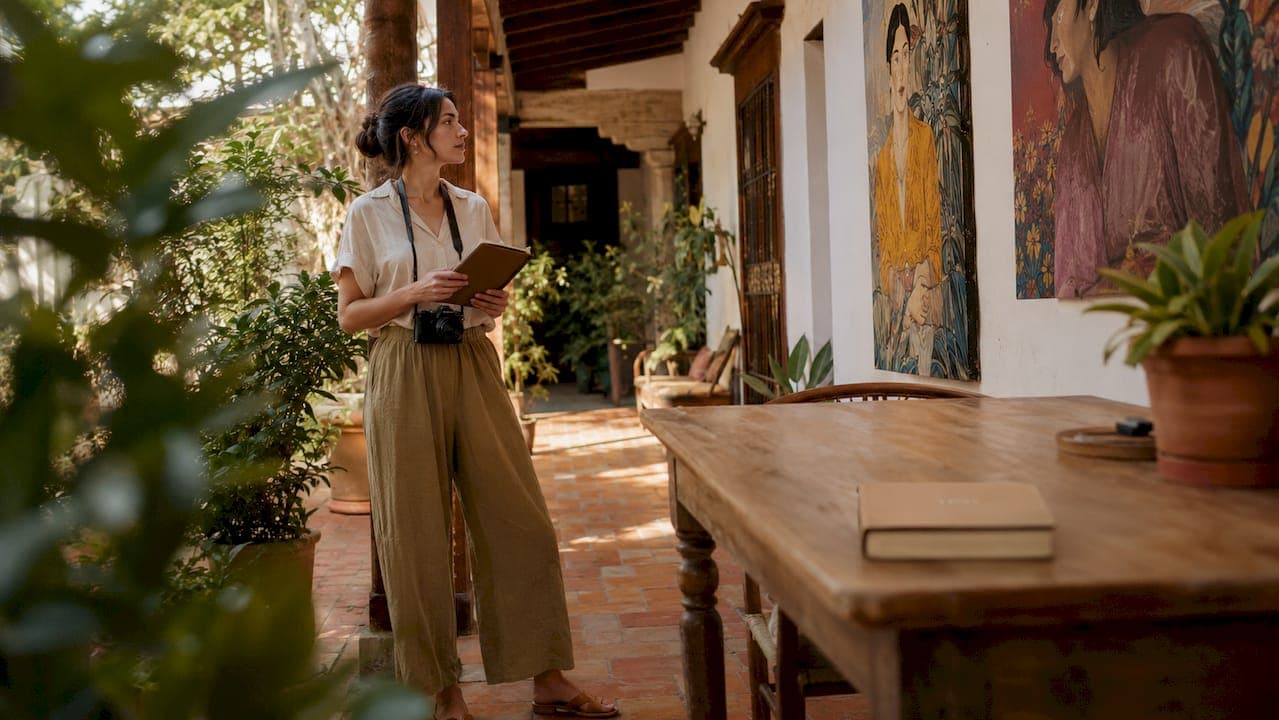
An authentic travel experience hotel is defined as a property that prioritises cultural immersion, genuine community connection, and sustainability over standardised comfort. This is the industry's answer to a growing rejection of cookie-cutter hospitality. The concept, often called "experiential lodging" or "craft lodging," reflects a shift where travellers choose hotels based on their ability to offer local cultural connection rather than price or standard amenities. Altohotel exemplifies this model in Melbourne, operating as one of the city's first environmentally rated boutique hotels and earning Hall of Fame recognition in the Victorian tourism sector. The result is a stay that feels like a genuine encounter with a place, not just a bed in it.
What is an authentic travel experience hotel, really?
Authenticity in lodging is defined by individuality, local character, and emotional engagement rather than standardised, contactless convenience. That distinction matters because most hotels are built around operational efficiency. Authentic hotels are built around a sense of place.
The industry term "craft lodging" captures this well. It describes properties where every design choice, staff interaction, and menu item reflects the destination. Authenticity is not a feature you add. It is a philosophy that shapes every decision from the ground up.
True authenticity is co-created through genuine guest interaction and context-setting, not simply provided by the hotel. That means the guest plays an active role. A hotel can set the stage, but the authentic moment happens when a guest sits with a local, eats something unfamiliar, or gets genuinely lost in a neighbourhood.
How do authentic travel experience hotels create cultural immersion?
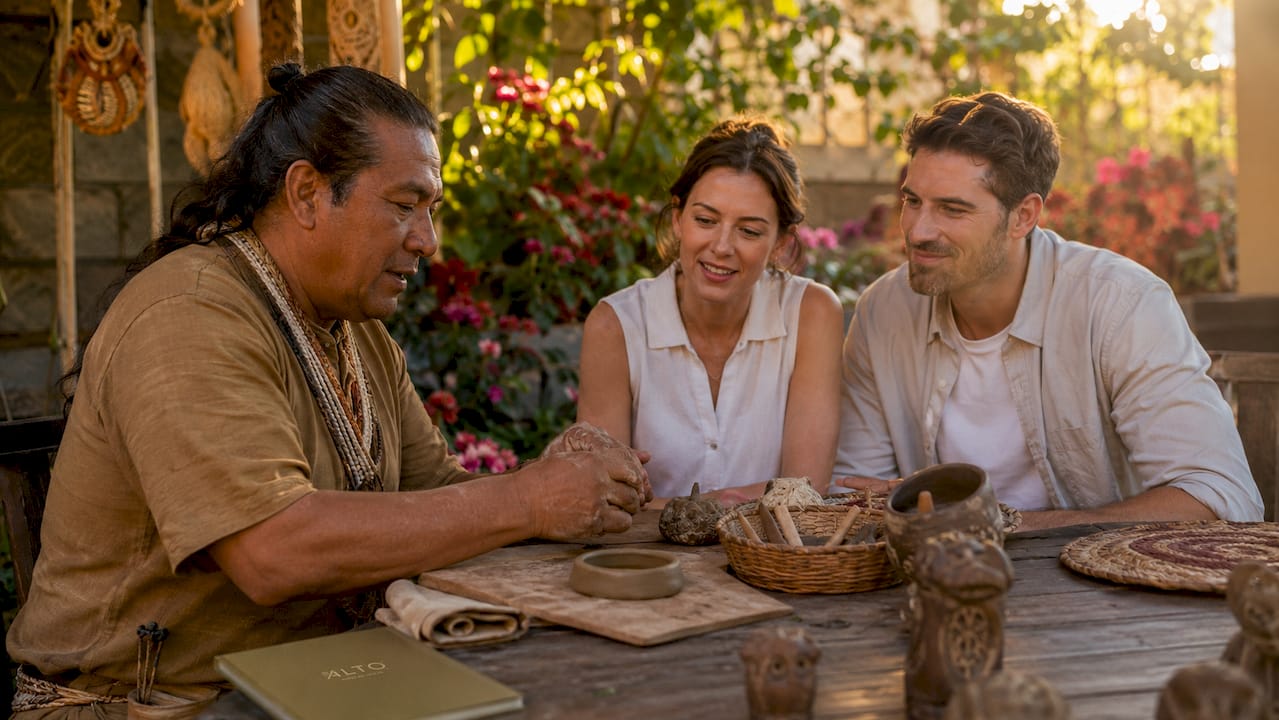
Hotels that integrate community-made objects, local narratives, and regional menus report higher guest enthusiasm and return intent compared to generic luxury properties. The mechanism is straightforward: when a guest sees a hand-thrown ceramic bowl made by a local artist, they are not just looking at décor. They are reading the story of the place.
The most effective methods for creating cultural immersion include:
- Local architecture and materials. Authentic hotels use building techniques, textiles, and finishes sourced from the region. This grounds the property visually in its location.
- Resident art and storytelling. Rotating exhibitions from local artists, written histories on walls, and curated playlists of regional music all communicate place without a single brochure.
- Staff as cultural guides. Knowledgeable staff who live in the neighbourhood and can recommend a Tuesday morning market or a family-run noodle shop are worth more than any concierge desk.
- Partnerships with local producers. Breakfast menus built around regional farms, in-room products from local makers, and hotel bars stocking only local spirits all reinforce a sense of place.
Altohotel demonstrates this through its partnerships with local artisans and organisations, which shape both the guest experience and the surrounding community. You can read real examples of culturally immersive stays to see how this plays out in practice.
Pro Tip: Ask the hotel directly: "Where do your staff eat on their days off?" A genuine answer tells you more about a hotel's local knowledge than any website copy.
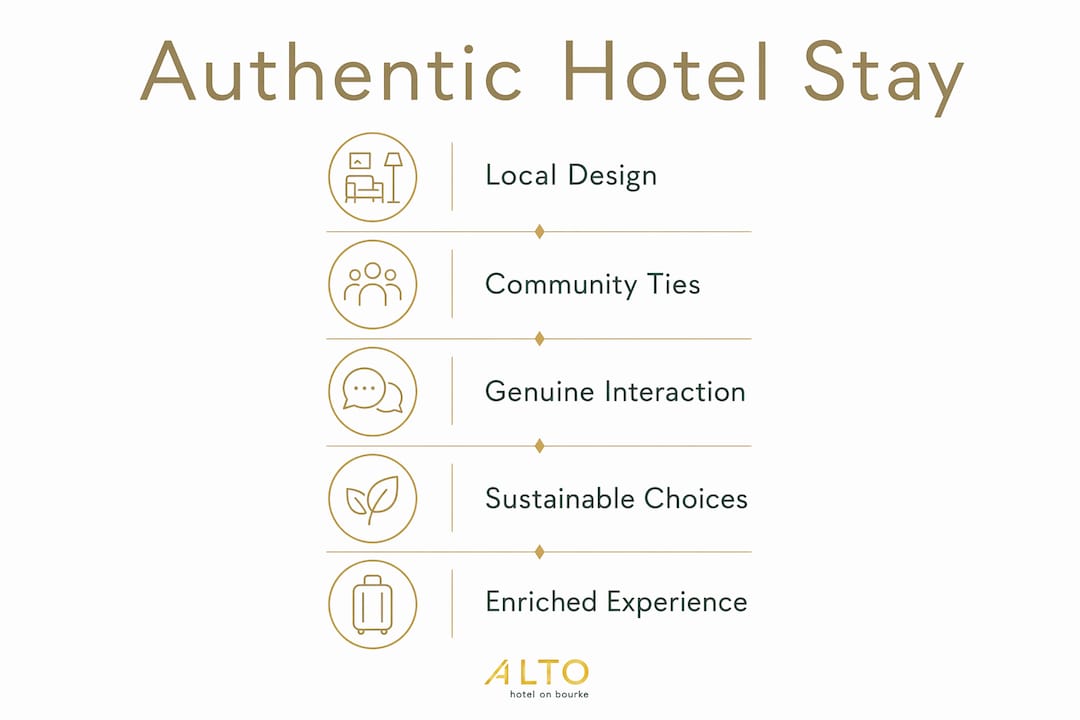
What role does sustainability play in authentic travel experience hotels?
Sustainability is not a marketing badge for authentic hotels. It is a structural commitment that shapes sourcing, design, and operations. Studies link sustainability credentials with higher guest satisfaction and loyalty. That connection exists because sustainability and authenticity share the same root: genuine care for a place and its people.
The most meaningful sustainability practices in experiential lodging include:
- Regional sourcing. Food, materials, and services bought locally keep money in the community and reduce transport emissions.
- Waste reduction. Composting programmes, refillable amenity dispensers, and linen reuse schemes cut operational waste without affecting guest comfort.
- Eco-friendly design. Passive cooling, solar energy, and recycled building materials reduce a property's environmental footprint from the structure outward.
- Community investment. Hiring locally, supporting neighbourhood events, and partnering with cultural institutions means the hotel strengthens the destination it profits from.
Altohotel was among the first hotels in Melbourne to receive an environmental rating, and its eco-conscious design uses materials that reflect this commitment. Guests who stay there support a model where comfort and ecological responsibility are not in conflict. For travellers who want to understand how lodging and local gastronomy can reinforce each other, sustainability is the thread that ties both together.
How do authentic hotels differ from chain or standard hotels?
The core difference is not price or facilities. It is intent. Chain hotels are designed for consistency. Authentic hotels are designed for specificity. A chain hotel in Melbourne and a chain hotel in Edinburgh will feel similar by design. An authentic hotel in Melbourne will feel like nowhere else on earth.
| Feature | Authentic hotel | Standard chain hotel |
|---|---|---|
| Design philosophy | Reflects local identity and materials | Standardised brand template |
| Staff role | Cultural narrator and local guide | Transactional service provider |
| Food and drink | Regional producers and seasonal menus | Centralised supply chain |
| Guest experience | Emotional engagement and storytelling | Efficient, predictable comfort |
| Community ties | Active partnerships with local makers | Limited local integration |
Affluent travellers pay a premium for culturally intelligent hospitality with authentic local design and knowledgeable staff who provide non-touristy suggestions. That premium reflects perceived value, not just thread count. When a hotel's staff can tell you which laneway has the best coffee on a Wednesday morning, that knowledge is worth more than a marble bathroom.
Independent and family-run properties consistently outperform chains on this measure. They have the flexibility to make decisions based on character rather than brand standards. Boutique hotels, in particular, reflect local culture in ways that large corporate properties structurally cannot.
What should travellers look for when choosing an authentic hotel?
The clearest signal of genuine authenticity is specificity. A hotel that can name the farm its eggs come from, the artist who made the lobby installation, or the neighbourhood association it supports is a hotel that has done the work.
- Read the hotel's stated philosophy. Look for concrete commitments, not vague language. "We support local" means nothing. "We source all produce from farms within 100 kilometres" means something.
- Check for community partnerships. Genuine hotels name their partners. Look for references to specific artisans, cultural institutions, or local businesses on the hotel's website.
- Look at the design. Generic furniture and stock photography suggest a property built for efficiency. Hand-selected objects, local art, and materials with a story suggest the opposite.
- Ask about staff. Hotels where staff live locally and receive training in neighbourhood knowledge are far more likely to deliver genuine cultural experiences.
- Prioritise independent and boutique properties. Slow travel bookings at non-chain stays consistently offer better value for deeper cultural immersion than large international properties.
- Verify beyond the marketing. Search for guest reviews that mention specific local experiences, not just comfort or cleanliness. Real authenticity shows up in the details people remember.
Pro Tip: Book for longer than you think you need. A two-night stay gives you a hotel. A five-night stay gives you a neighbourhood. Extended stays are the single most effective way to move from tourist to temporary local.
Understanding what makes guest experience exceptional in hospitality helps you ask better questions before you book.
How can guests enhance their authentic experience during a hotel stay?
The hotel sets the conditions. The guest creates the experience. Authenticity is a mindset, and travellers who approach a destination with curiosity and openness will find it in places that packaged tours never reach.
Practical ways to deepen your experience during a stay:
- Use public transport. A tram or bus ride reveals the daily rhythm of a city in a way no taxi can. You see who lives there, how they dress, where they go.
- Visit neighbourhood markets. Local food markets are the most honest cross-section of a place. Go on a weekday morning when locals shop, not on a Saturday when tourists arrive.
- Ask staff for their personal recommendations. Not "what should I see" but "where did you go last weekend?" The second question gets a real answer.
- Attend local events. Community festivals, gallery openings, and neighbourhood sporting matches are unscripted and genuinely local. Most hotels can point you toward them.
- Participate in hotel workshops. Many authentic hotels offer connections with local makers through in-house workshops, artisan collaborations, or cultural sessions. These are not tourist traps. They are direct introductions to the people who define a place.
- Respect local customs. Dress codes, meal times, and social norms vary by destination. Adapting to them signals respect and opens doors that remain closed to travellers who treat every destination as a backdrop.
Balancing major landmarks with unscripted local experiences like markets and public transport use is what separates a memorable trip from a forgettable one.
Key takeaways
Authentic travel experience hotels create genuine cultural connection through local design, community partnerships, sustainability, and staff who act as cultural guides rather than service providers.
| Point | Details |
|---|---|
| Authenticity is co-created | Hotels set the stage, but genuine experiences happen through guest interaction and curiosity. |
| Sustainability signals genuine care | Eco-friendly design, local sourcing, and community investment are markers of a truly authentic property. |
| Independent hotels outperform chains | Boutique and family-run properties offer local specificity that standardised chains structurally cannot match. |
| Slow travel deepens connection | Extended stays move travellers from tourist to temporary local, revealing the real rhythm of a destination. |
| Specificity is the test of authenticity | Hotels that name their partners, producers, and local collaborators have done the work. Generic claims have not. |
What I've learned about authentic hotels after years of travel
Traveller expectations have shifted in a way that the hospitality industry is still catching up to. People no longer want a comfortable room in a city. They want to feel the city. That is a fundamentally different brief, and most hotels are not equipped to meet it.
The most common mistake I see is confusing aesthetic authenticity with genuine authenticity. A hotel can hang local art, serve regional coffee, and still feel completely hollow if the staff cannot tell you anything real about the neighbourhood. Authenticity lives in knowledge and relationship, not in décor.
The hotels that get it right treat their location as a collaborator, not a backdrop. They hire locally, source locally, and invest in the community that surrounds them. Altohotel does this in Melbourne, and the Hall of Fame recognition from Victoria's tourism sector reflects what happens when a property commits to that model over many years.
My honest advice: stop reading hotel marketing copy and start reading guest reviews that mention specific moments. The traveller who writes "the receptionist told us about a hidden laneway and it was the best hour of our trip" has told you more about that hotel than any star rating ever will. Authentic travel is a mindset. The right hotel simply makes it easier to adopt one.
— Kamal
Altohotel: where authentic Melbourne stays begin
Altohotel on Bourke is Melbourne's premier eco-friendly boutique hotel and one of the city's first environmentally rated properties. It was built for travellers who want their accommodation to mean something beyond a place to sleep.
Altohotel's studio and apartment rooms are designed with eco-conscious materials, and its partnerships with local artisans and organisations bring Melbourne's creative community directly into the guest experience. Whether you are staying for two nights or two weeks, the hotel connects you to the city in ways that standard accommodation simply does not. Explore authentic Melbourne stays and find out why Altohotel has earned its place among Victoria's most recognised boutique properties.
FAQ
What is an authentic travel experience hotel?
An authentic travel experience hotel is a property that prioritises cultural immersion, local community connection, and sustainability over standardised comfort. It reflects the identity of its destination through design, staff knowledge, and community partnerships.
How do I know if a hotel is genuinely authentic?
Look for specific, named partnerships with local producers, artisans, or cultural institutions. Genuine authenticity shows up in details: staff who live locally, menus built around regional farms, and design that reflects the destination.
Are boutique hotels more authentic than chain hotels?
Independent and boutique hotels consistently offer more authentic experiences because they have the flexibility to make decisions based on local character rather than brand standards. Chain hotels are designed for consistency across locations, which works against specificity.
What does slow travel have to do with authentic hotel stays?
Slow travel, meaning extended stays at a single property, gives travellers time to move beyond tourist sites and discover the real rhythm of a destination. A five-night stay in a locally connected hotel delivers far deeper cultural immersion than a two-night visit.
Does sustainability make a hotel more authentic?
Sustainability practices like local sourcing, eco-friendly design, and community investment are direct expressions of genuine care for a place. Studies link sustainability credentials with higher guest satisfaction and loyalty, and they are a reliable indicator that a hotel's values go beyond marketing.