
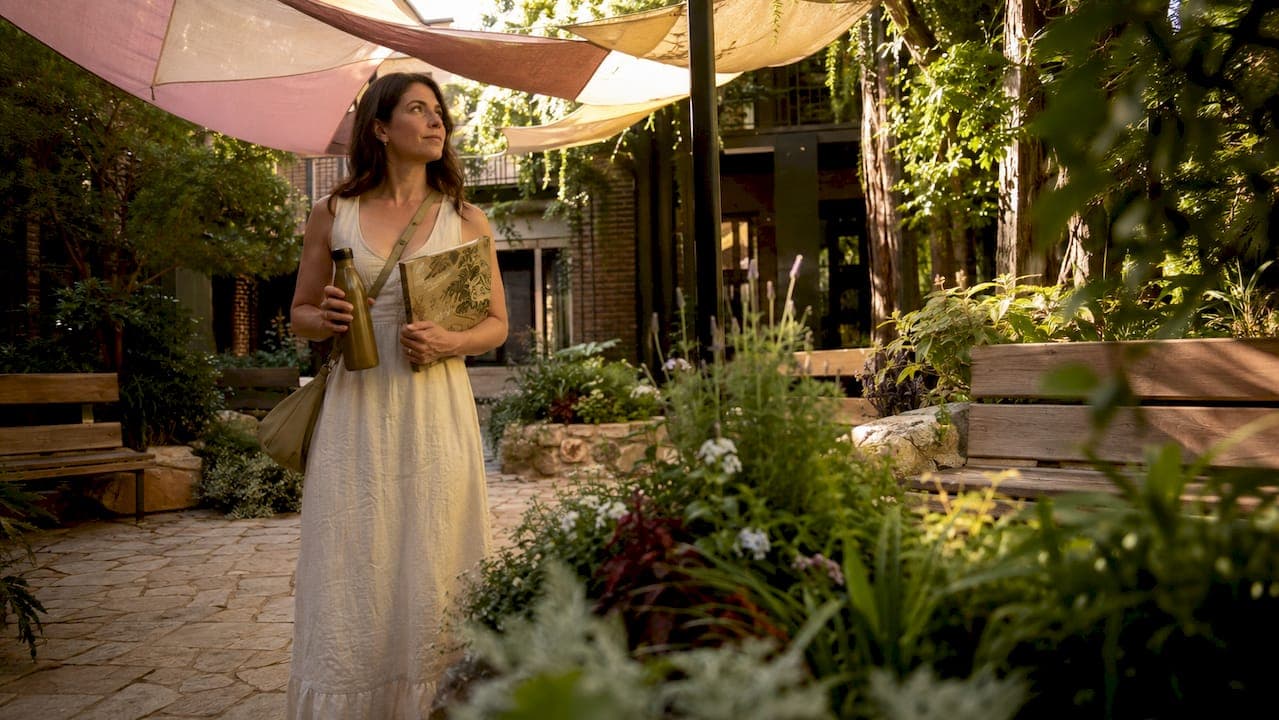
A guilt-free luxury hotel stay is high-end accommodation that delivers exceptional comfort while minimising environmental impact through responsible design, resource management, and community engagement. The concept is also known in the industry as "sustainable luxury hospitality." Hotels like Potato Head in Bali, Arima Hotel & Spa in Spain, and Aahana Resort in India have proven that opulence and ecological responsibility are not opposites. According to a Euromonitor 2023 survey, 38% of luxury travellers are willing to pay 30–50% more for sustainable travel features. That figure signals a genuine market shift, not a passing trend.
What is a guilt-free luxury hotel stay, exactly?
A guilt-free luxury hotel stay is defined by infrastructure, not intention. The distinction matters because many hotels claim eco-credentials through surface-level gestures like asking guests to reuse towels. Genuine sustainable luxury is built into the bones of the property: its energy systems, water loops, waste programmes, and material choices.
True sustainability is infrastructure-based, relying on closed-loop systems, passive cooling, and local sourcing rather than superficial guest-facing policies. Aahana Resort, for example, operates Gobar gas plants that convert organic waste into cooking fuel, and runs on-site water recycling systems that dramatically reduce freshwater consumption. These are not visible to guests, yet they define the hotel's environmental footprint entirely.

The guest experience at a genuine sustainable luxury hotel is indistinguishable from a conventional five-star stay in terms of comfort. What changes is the story behind every material, meal, and amenity. Potato Head founder Ronald Akili puts it plainly: the best sustainable hotels integrate sustainability invisibly while delivering exceptional guest experiences. Sustainability becomes the standard, not the selling point.
Key features of eco-friendly luxury hotel design
Sustainable luxury hotels share a set of defining physical and operational characteristics. These features separate genuine ethical hotel choices from greenwashing.
- Energy-efficient architecture: Hotels built to Passivhaus standards reduce energy consumption by up to 70%. Arima Hotel & Spa in San Sebastián achieves this through insulated facades, heat recovery ventilation, and orientation-based natural lighting. Guests experience a quieter, more temperate environment as a direct result.
- Near-zero waste operations: Potato Head has reached 97.5% zero-waste levels and composts over 50,000 kg of waste annually. That scale of diversion from landfill requires dedicated on-site composting infrastructure, staff training, and supplier agreements, not just recycling bins in guest rooms.
- Closed-loop water and energy systems: On-site water recycling and biogas plants, like those at Aahana Resort, mean the property generates and recycles its own resources rather than drawing indefinitely on municipal supply.
- Locally sourced and reclaimed materials: Locally crafted materials like reclaimed wood and bamboo create a unique sense of place that mass-produced luxury finishes cannot replicate. High-net-worth travellers increasingly value this authenticity over generic five-star aesthetics.
- Biophilic design: Natural light, living walls, and native landscaping reduce energy loads while improving guest wellbeing. The connection to the natural environment is both a sustainability feature and a genuine luxury amenity.
Pro Tip: When researching a hotel's eco-credentials, ask specifically about its energy source and waste diversion rate. A property that cannot answer those two questions with specifics is likely relying on marketing rather than infrastructure.
How do sustainable luxury hotels differ from traditional ones?
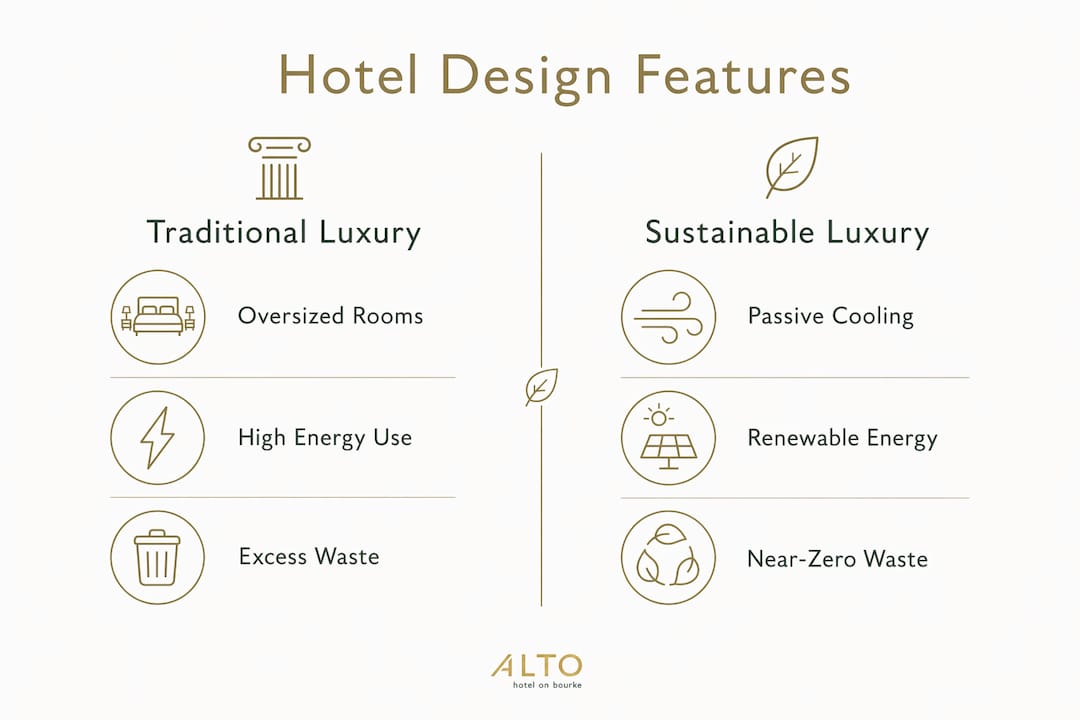
The clearest way to understand the difference is to look at what each type of hotel treats as its core value proposition.
Traditional luxury hotels are built around excess as a signal of quality: oversized rooms, high thread counts, elaborate buffets, and resource-heavy amenities like heated outdoor pools in cold climates. The guest is meant to feel that no expense has been spared. Environmental cost is invisible and irrelevant to the brand promise.
Sustainable luxury hotels are built around intention. As industry experts note, the future of luxury hospitality is defined by community support and responsible resource management, not extravagance. The guest is meant to feel that every choice has been considered. That shift produces a fundamentally different kind of experience.
The table below captures the practical differences across five key dimensions.
| Dimension | Traditional luxury hotel | Sustainable luxury hotel |
|---|---|---|
| Energy use | Grid-dependent, high consumption | Passivhaus or renewable-powered, up to 70% reduction |
| Waste management | Standard landfill disposal | Near-zero waste, composting, biogas conversion |
| Building materials | Imported, mass-produced finishes | Reclaimed, locally sourced, natural materials |
| Guest involvement | Passive consumption | Optional footprint-free stays, community experiences |
| Brand value | Opulence and exclusivity | Environmental stewardship and authenticity |
Sustainability is shifting from a marketing add-on to a fundamental brand value that attracts discerning travellers. That shift is not cosmetic. It changes procurement, construction, staffing, and operations at every level of the hotel.
How to choose a genuine guilt-free luxury hotel
Choosing a genuinely eco-friendly hotel experience requires looking past the marketing and into the evidence. Here is a practical framework.
-
Check for verified certifications. B Corp certification and audits from bodies like the Sustainable Restaurant Association are far more trustworthy than self-proclaimed eco-friendly labels. Seasoned eco-travellers rely on these third-party verifications because they require documented evidence, not just stated intent.
-
Evaluate infrastructure, not policies. Ask whether the hotel has on-site renewable energy, water recycling, or waste composting systems. A hotel that mentions towel reuse but cannot describe its energy source has not made the structural investment that defines genuine sustainable luxury.
-
Look for community integration. Hotels that partner with local artisans, source food from nearby producers, and employ from the surrounding community embed sustainability into their economic model. This is what community partnerships in boutique hotels look like in practice.
-
Consider your own behaviour as a guest. Some hotels offer footprint-free stay options, where guests opt out of daily room servicing, choose plant-based dining, or participate in local conservation activities. These choices compound the hotel's own efforts.
-
Use specialist resources. Platforms that focus on choosing an environmentally rated boutique hotel apply consistent criteria across properties, making comparison far more reliable than reading individual hotel websites.
Pro Tip: Search for a hotel's sustainability report or annual environmental audit before booking. Properties with nothing to hide publish this data openly. If you cannot find it after a brief search, treat that as a red flag.
What does the future of guilt-free luxury hospitality look like?
The luxury hospitality industry is redefining what "premium" means. Commercial Director Suhas Sharma describes the shift clearly: modern luxury is defined by intention and responsible resource management, with community support as a core guest expectation. Thread count is no longer the measure of a great hotel. Environmental stewardship is.
This change is driven partly by guest demand and partly by the economics of sustainability. Hotels that invest in energy-efficient design and closed-loop resource systems reduce their operating costs over time. The upfront investment in Passivhaus construction or biogas infrastructure pays back through lower utility bills and reduced waste disposal costs. Sustainability and profitability are increasingly aligned.
Guest expectations are also evolving in ways that go beyond environmental features. Travellers seeking conscious travel accommodations want to feel connected to the place they are visiting. Locally sourced materials, regional cuisine, and cultural programming create that connection in ways that imported marble and international buffets cannot. The deeper connection that eco boutique hotels inspire is becoming a genuine luxury differentiator.
By 2026, the hotels that will define the top end of the market are those that treat responsibility not as a constraint but as a design principle. The properties that get this right will attract the growing segment of high-net-worth travellers who see their accommodation choices as an expression of their values.
Key takeaways
A guilt-free luxury hotel stay is defined by infrastructure-based sustainability, not marketing claims, and the best properties deliver exceptional comfort while operating closed-loop energy, water, and waste systems.
| Point | Details |
|---|---|
| Infrastructure defines authenticity | Genuine eco-friendly hotels use closed-loop systems and Passivhaus design, not just towel reuse policies. |
| Certifications over claims | B Corp and verified sustainability audits are the most reliable way to identify truly sustainable luxury hotels. |
| Sustainability enhances experience | Locally sourced materials and community integration create a sense of place that traditional luxury cannot replicate. |
| Market demand is growing | 38% of luxury travellers will pay 30–50% more for verified sustainable features, making this a durable market shift. |
| Guest behaviour matters | Opting for footprint-free stays and engaging with local programmes compounds the hotel's own sustainability efforts. |
Why I think most travellers are looking at this the wrong way
People often approach sustainable luxury by asking what they are giving up. That framing is the wrong starting point entirely.
The hotels I find most compelling are the ones where you only discover the sustainability story after you have already decided you love the place. You notice the quality of the light, the texture of the furniture, the flavour of the food. Then someone tells you the timber was reclaimed from a local demolition site, or that the meal came from a farm two kilometres away. The sustainability is not the pitch. It is the explanation for why everything feels more considered.
The harder truth is that greenwashing is still widespread, and it does real damage to traveller trust. I have seen properties charge a premium for "eco-friendly" rooms that amount to a bamboo toothbrush and a card asking you not to wash your sheets. That is not a guilt-free stay. It is a guilt-free marketing exercise.
The properties worth your money are transparent about their infrastructure. They publish their energy data. They name their suppliers. They can tell you exactly where their waste goes. Altohotel in Melbourne is a good example of this approach: one of the first environmentally rated hotels in the city, with a Hall of Fame recognition in the Victorian tourism sector to back it up. That kind of credential is earned through audited performance, not branding.
My advice is simple. Ask hard questions before you book. The hotels that answer them confidently are the ones worth staying in.
— Kamal
Experience guilt-free luxury at Altohotel in Melbourne
Altohotel stands as Melbourne's premier eco-friendly boutique hotel and one of the city's first environmentally rated properties. Every room is designed with eco-conscious materials, and the hotel's partnerships with local artisans and organisations bring genuine community value to each stay.
Whether you are looking for a compact urban retreat or a spacious apartment, Altohotel offers room types to suit every eco-conscious traveller. The Studio Queen and 2 Bedroom Sleepover options are particularly popular with guests who want a guilt-free luxury stay without compromising on style or comfort. Explore the full range of boutique eco-friendly rooms and book your Melbourne stay with confidence.
FAQ
What makes a hotel stay "guilt-free"?
A guilt-free hotel stay is one where the property operates through verified sustainable practices, including energy-efficient design, waste reduction systems, and responsible sourcing. The term refers to staying in genuine comfort without contributing unnecessarily to environmental harm.
Are sustainable luxury hotels more expensive?
Some sustainable luxury hotels carry a premium, and research shows 38% of luxury travellers are willing to pay 30–50% more for verified sustainable features. However, many eco-friendly boutique hotels, including Altohotel in Melbourne, offer competitive rates alongside their environmental credentials.
How do I know if a hotel is genuinely eco-friendly?
Look for third-party certifications like B Corp or audits from recognised bodies rather than self-proclaimed eco labels. Hotels with genuine credentials publish their energy use, waste diversion rates, and supplier information openly.
What is biophilic design in a hotel context?
Biophilic design incorporates natural light, living plants, native materials, and views of nature into the built environment. In hotels, it reduces energy consumption through passive lighting and ventilation while improving guest wellbeing and comfort.
Can a luxury hotel really achieve near-zero waste?
Yes. Potato Head in Bali has reached 97.5% zero-waste levels and composts over 50,000 kg of waste annually, demonstrating that large-scale luxury operations can achieve near-zero landfill diversion with the right infrastructure and supplier partnerships.