
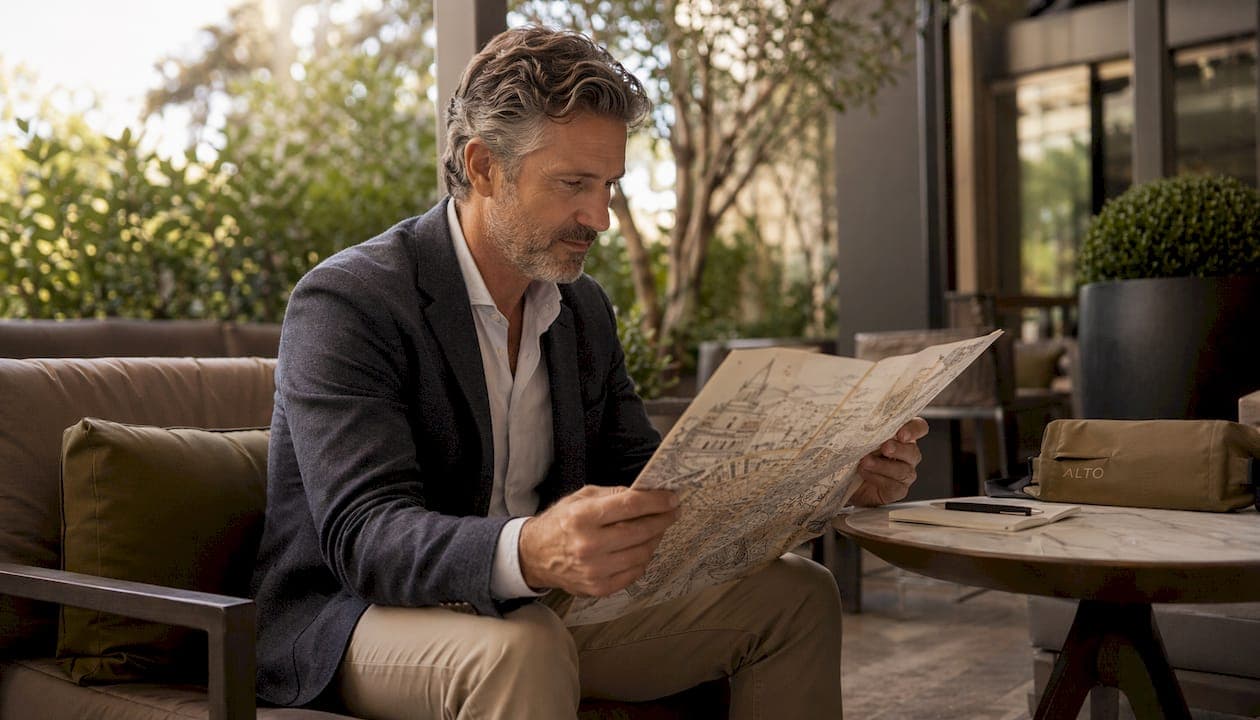
Hotels are defined as one of the most direct gateways to understanding a city's past. Where a guidebook gives you facts, a well-crafted hotel partnership gives you a story told by the people who actually know it. The practice of cultural hotel partnerships, sometimes called heritage hospitality, is reshaping how history enthusiasts and travellers engage with place. Far East Hospitality, Minor Hotels, and The Luxury Collection have each demonstrated that hotels can do far more than provide a bed. They can anchor an entire historical experience. Altohotel in Melbourne operates from this same conviction, connecting guests to the living culture of the city through local partnerships and considered design.
How do hotel partnerships help you understand city history?
Cultural hotel partnerships are collaborations between accommodation providers and heritage experts, local historians, artists, or cultural organisations. The result is a guest experience that goes well beyond sightseeing. Hotels now act as curators of context, prioritising immersive history over generic luxury. That shift is significant because it means the historical narrative is built into your stay, not bolted on as an optional extra.
The difference between a standard city tour and a hotel-anchored heritage experience is depth. Local creative partnerships enable guests to access authentic stories and cultural nuances that standard tourism simply cannot offer. A hotel concierge who works daily with a local historian can point you to a laneway that shaped a neighbourhood, not just the landmark on the tourist map. That insider access is the core value of heritage hospitality.
Altohotel's approach to local partnerships reflects this model. By working with Melbourne's local artisans and community organisations, the hotel connects guests to the city's cultural identity in ways that feel genuine rather than staged.
What types of historical experiences do hotel partnerships offer?
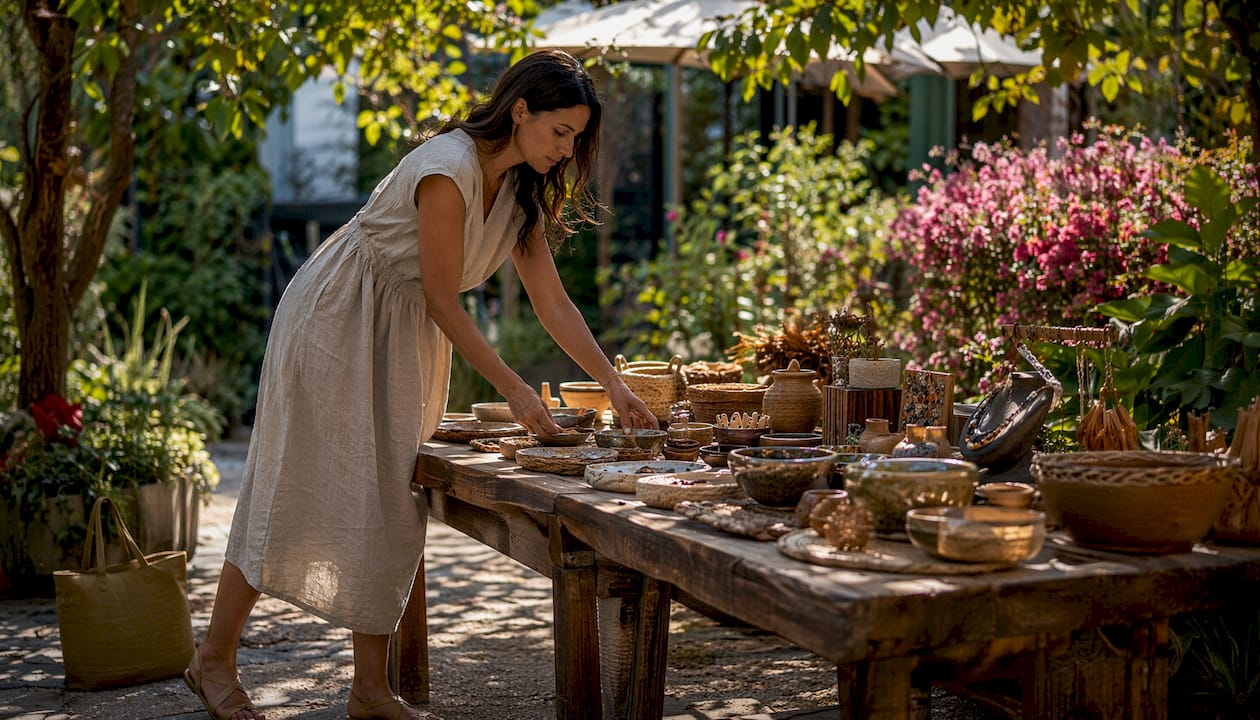
The range of experiences available through hotel history collaborations is broader than most travellers expect. The best programmes combine multiple formats to build a layered understanding of place.
- Guided heritage trails: Far East Hospitality partnered with The Urbanist to create a three-part trail series across Singapore's Orchard, Central Business District, and Sentosa precincts. Each trail is anchored by a Far East Hospitality property and delivered through guided storytelling.
- Anniversary walking tours: Minor Hotels launched a 750th anniversary tour connecting three historic Amsterdam hotels with hidden city landmarks. Suite guests received a complimentary curated map to navigate the route independently.
- Commemorative packages: The Benjamin Royal Sonesta New York created a guided tour package tied to America's 250th anniversary, including brunch and themed cocktails alongside the historical walk.
- Limited-edition art collaborations: The Luxury Collection worked with artist Michael McGregor to blend historical storytelling with artistic expression across three cities. These collaborations make history relevant to travellers who engage more readily with visual culture.
- Curated multimedia content: QR codes, audio guides, and in-room materials now form part of many hotel heritage programmes. Guests can explore at their own pace without needing a scheduled tour.
Each format serves a different type of traveller. The guided trail suits those who want expert narration. The curated map suits independent explorers. The commemorative package suits those who want a complete, structured experience.
Pro Tip: When researching a hotel stay, search the hotel's official website for terms like "heritage," "local experience," or "cultural programme." These pages are rarely promoted on third-party booking platforms.
How can travellers access these historical hotel partnerships?
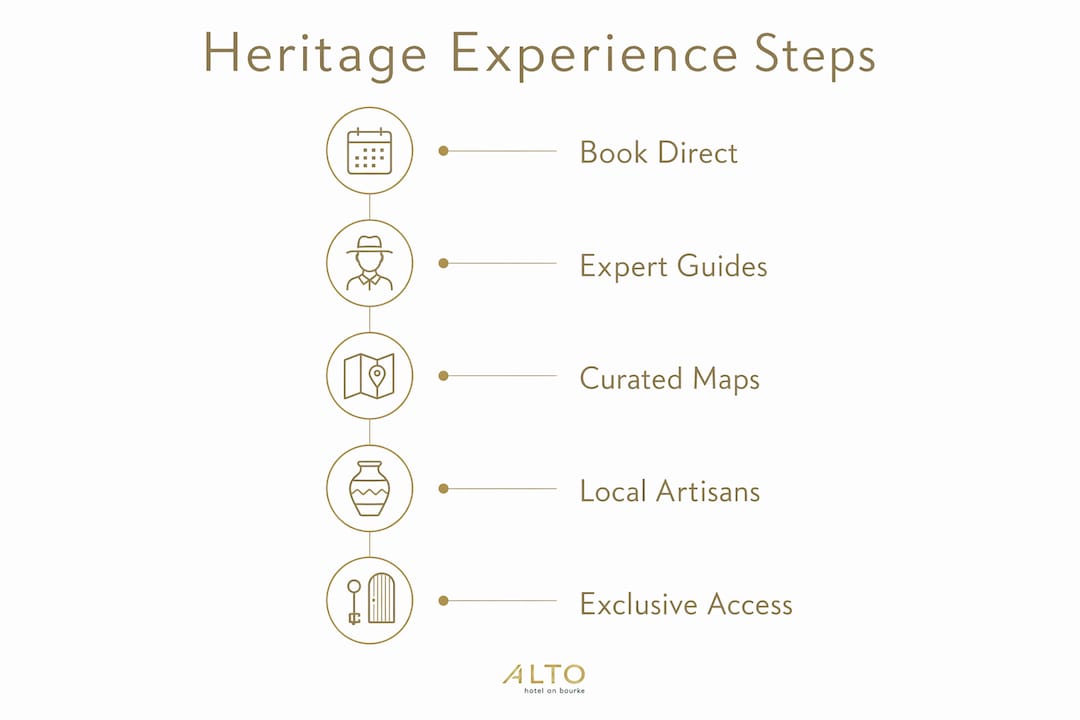
Finding and using these experiences requires a little more effort than booking a standard tour, but the payoff is considerably richer. Follow these steps to get the most from hotel history collaborations.
- Book directly with the hotel. Direct booking is often the only way to access heritage packages. Third-party platforms frequently omit these offers entirely, so the hotel's own website is your starting point.
- Choose the right room category. Some heritage experiences are tied to specific room types. Minor Hotels' Amsterdam walking tour map, for example, was available to suite guests. Check whether a particular room or package unlocks additional cultural access.
- Ask the concierge directly. Hotels working with local historians or academics offer superior historical insights compared to generic commercial tours. Ask the concierge about the credentials of the hotel's cultural partners before you arrive.
- Request curated materials at check-in. Many hotels provide maps, booklets, or QR codes that are not automatically handed to every guest. Ask for them specifically.
- Time your visit around anniversaries or events. Hotels frequently launch heritage programmes to coincide with city milestones. Minor Hotels' Amsterdam tour was created for the city's 750th anniversary. Aligning your travel dates with these moments gives you access to the richest programming.
- Combine lodging with local gastronomy. The connection between food and place is a powerful entry point into city history. Many hotel partnerships extend into culinary experiences that tell the story of a neighbourhood through its food culture.
Pro Tip: Call the hotel before booking and ask whether any heritage or cultural programmes are currently running. Staff can often describe experiences that are not yet published online.
Benefits and challenges of hotel heritage experiences
Hotel history collaborations offer clear advantages over standard city tours, but they also come with limitations worth knowing before you book.
What makes hotel partnerships better than standard tours
The primary advantage is authenticity. Engagement with local creatives and historians enhances the depth of a guest's cultural experience in ways that a commercial tour operator rarely achieves. Hotel partners are selected for their knowledge of a specific place, not their ability to manage large groups efficiently.
Exclusivity is the second advantage. Experiences tied to a hotel stay are available to a small number of guests at any one time. That means smaller groups, more personal attention from guides, and access to spaces or narratives that mass tourism never reaches.
Convenience is the third. The experience begins and ends at your accommodation. There is no separate booking system, no meeting point across town, and no coordination between multiple providers.
Where hotel heritage programmes fall short
The main limitation is availability. Many programmes require direct booking and are not listed publicly until a guest enquires. Value-added offerings such as thematic cocktails, branded keepsakes, and post-tour dining enrich the experience but also add to the cost. Travellers on tight budgets may find that the full programme sits above their price point.
Some programmes are also under-publicised. Hotels invest in creating these experiences but do not always market them well. A traveller who does not ask will often miss them entirely.
How do hotels and heritage partners design these experiences?
The creation of a quality heritage programme is a genuine collaboration between the hotel and its cultural partners. It is not a marketing exercise. The process typically involves several distinct stages.
Heritage experts and local historians conduct primary research into the precinct, neighbourhood, or city period the programme will cover. That research is then translated into a narrative that works for a general audience without losing accuracy. The Far East Hospitality and Urbanist partnership in Singapore is a clear example: The Urbanist brought deep knowledge of Singapore's precincts, and Far East Hospitality provided the physical anchors and guest infrastructure.
Technology plays a growing role in delivery. QR codes, audio guides, and digital maps allow hotels to extend the experience beyond the guided tour format. Guests can return to a location independently, listen to additional context, or share the experience with travel companions who missed the original session.
Limited-edition art collaborations connecting heritage with modern design are highly effective at making history relevant to contemporary travellers. When a hotel commissions an artist to respond to a city's history, the resulting work becomes part of the guest experience in the room, in the lobby, and in the programme materials. The Luxury Collection's collaboration with Margherita Maccapani Missoni to celebrate 120 years of Italian heritage is a strong example of this approach.
Culinary elements also carry historical weight. A dish rooted in a neighbourhood's migrant history or a cocktail named for a local figure extends the narrative into sensory experience. These details are not decorative. They are part of how a well-designed heritage programme makes the past feel present.
For travellers who want to see how this design thinking shows up in physical spaces, heritage-inspired hotel design offers a useful lens for understanding how architecture and interiors carry historical meaning.
Key takeaways
Hotel partnerships with heritage experts are the most direct way to access authentic, immersive city history as a traveller.
| Point | Details |
|---|---|
| Book direct for access | Heritage packages are rarely listed on third-party platforms; always book through the hotel's own website. |
| Ask about partner credentials | Hotels working with credible historians offer deeper, more accurate historical narratives than generic tours. |
| Time visits around milestones | Anniversary programmes and city events unlock the richest heritage experiences hotels offer. |
| Expect layered experiences | Quality programmes combine guided tours, curated maps, art, and culinary elements for full immersion. |
| Authenticity requires local expertise | Partnerships with local creatives and historians produce cultural insights unavailable through standard tourism. |
What I've learned about spotting a genuine heritage partnership
Most hotels that claim a cultural focus are offering something far thinner than they advertise. I've stayed in properties that list "local art" as a cultural feature when the art consists of generic prints purchased from a wholesale catalogue. That is not a heritage partnership. It is decoration.
The clearest signal of a genuine collaboration is specificity. A real heritage programme can tell you the name of the historian involved, the research methodology used, and the particular stories the experience is designed to tell. Vague language about "celebrating local culture" is a warning sign. Concrete detail about a specific neighbourhood, period, or community is a good sign.
The second signal is integration. When a heritage programme is genuine, it shows up in multiple parts of the guest experience: the room materials, the concierge's knowledge, the food and beverage offering, and the physical design of the space. When it only shows up in a brochure, it is marketing.
The third signal is the quality of the partner. Real examples of culturally immersive hotel stays consistently involve partners with genuine expertise, whether that is a heritage organisation, a working historian, or an artist with a deep connection to the place. A hotel that cannot name its cultural partners has probably not invested seriously in the programme.
Travellers who prioritise experiential stays over standard accommodation consistently report richer memories and a stronger sense of having actually known a place. That outcome is worth seeking deliberately, not leaving to chance.
— Kamal
Altohotel: a base for Melbourne's cultural history
Altohotel sits on Bourke Street in Melbourne, one of the city's most historically layered precincts. As one of Melbourne's first environmentally rated boutique hotels and a Victorian tourism Hall of Fame recipient, Altohotel brings the same care to cultural experience that it applies to sustainable design. The Studio Queen is an ideal base for travellers who want to explore Melbourne's heritage neighbourhoods, laneways, and cultural institutions at their own pace. Altohotel's partnerships with local artisans and community organisations mean that the city's stories are woven into your stay from the moment you arrive. Book directly with Altohotel to access the full range of local insights and personalised recommendations that third-party platforms simply cannot provide.
FAQ
What is a cultural hotel partnership?
A cultural hotel partnership is a formal collaboration between a hotel and heritage experts, local historians, or creative organisations to deliver immersive historical experiences to guests. These programmes go well beyond standard concierge recommendations.
Are heritage hotel experiences only available to certain guests?
Many heritage programmes are tied to specific room categories or direct bookings. Booking through the hotel's own website and selecting the relevant room type or package is the most reliable way to gain access.
How do I know if a hotel's heritage programme is genuine?
Ask the hotel to name its cultural partners and describe the research behind the programme. Hotels working with credible local historians or heritage organisations offer measurably deeper and more accurate historical narratives than generic commercial tours.
Can I experience city history through a hotel stay without joining a guided tour?
Yes. Many hotel heritage programmes include curated maps, QR codes, audio guides, and in-room materials that allow independent exploration. The Minor Hotels Amsterdam programme, for example, offered a complimentary map for self-guided discovery.
Why is direct booking important for heritage hotel experiences?
Heritage packages and cultural experiences are frequently not listed on third-party booking platforms. Direct booking through the hotel's website is often the only way to access these offers and the full range of local insights they include.