
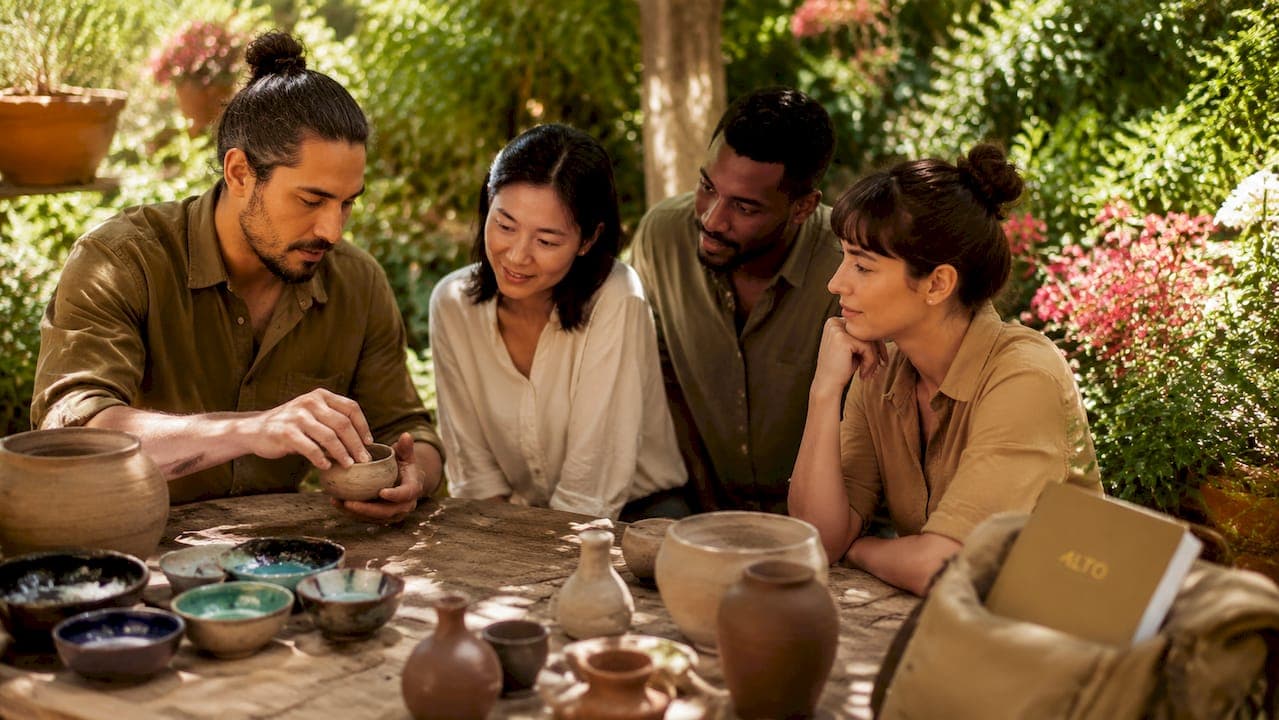
Cultural workshops in hotels are structured, hands-on sessions where guests learn traditional skills directly from local experts, artisans, or hotel staff. The types of cultural workshops hotels offer span culinary arts, artisan crafts, performing arts, and heritage repair techniques. These programmes have moved well beyond novelty status. They now sit at the centre of how properties compete for guests who want active, story-worthy travel rather than passive sightseeing.
What are the main types of cultural workshops hotels offer?
Hotels organise cultural workshops across four broad categories: culinary arts, artisan crafts, performing arts, and heritage techniques. Each category delivers a different kind of hands-on engagement, and the best properties offer at least two or three to suit different guests.
Culinary arts workshops
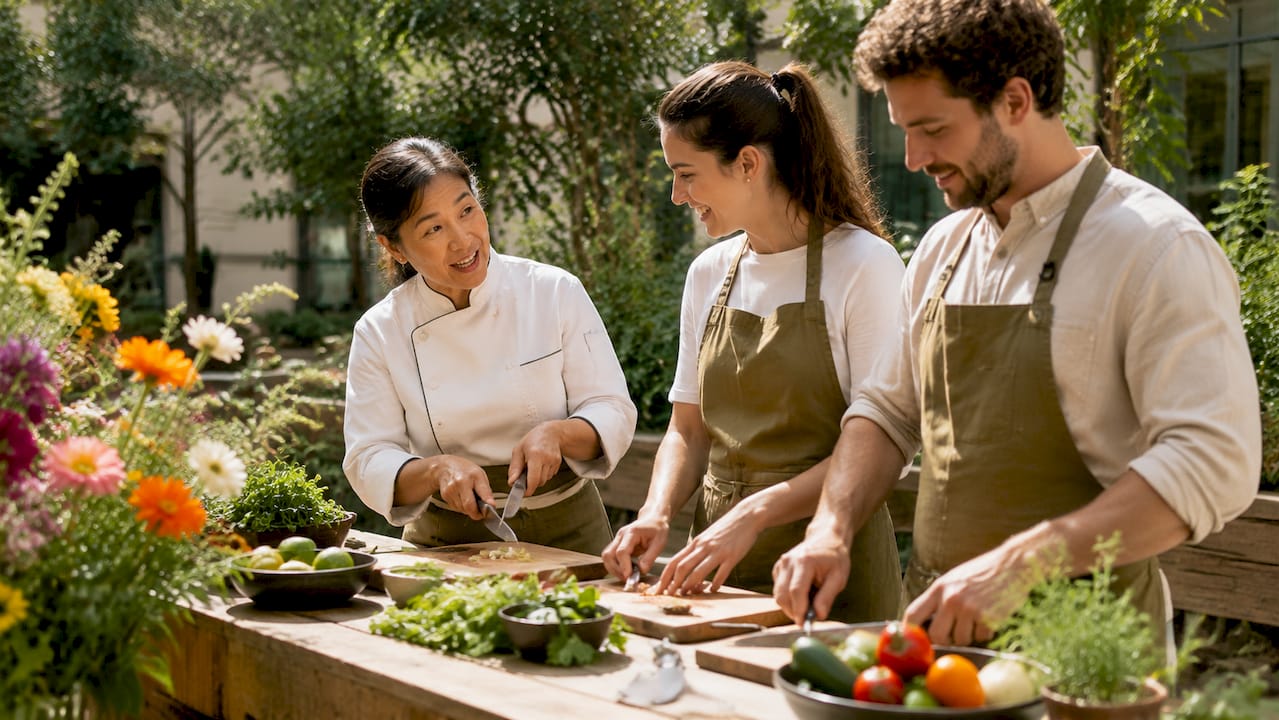
Cooking classes are the most common hotel cultural activity. Field-to-table cooking sessions take guests through local ingredient sourcing before teaching them to prepare regional dishes. Cocktail-making classes sit at the lighter end of the spectrum, often running around 30 minutes and priced at roughly €35. More involved culinary sessions can run 2–3 hours and cover fermentation, spice blending, or traditional bread-making techniques specific to the region.
Artisan craft workshops
Pottery, weaving, calligraphy, and jewellery making are the most frequently offered artisan formats. Guests leave with a physical souvenir, which makes these sessions particularly popular. Jewellery-making workshops tend to be the most intensive, sometimes priced at around €165 and running close to three hours. Weaving and calligraphy sessions suit shorter schedules and work well as morning or late-afternoon activities.
Performing arts workshops
Traditional dance, drumming, and instrument-making sessions give guests direct access to living cultural traditions. These workshops are less common than culinary or craft formats, but they generate strong social media content and lasting memories. Instrument-making classes, where guests build a simple percussion instrument to take home, are a standout format at properties in Southeast Asia and Latin America.
Heritage repair techniques
A smaller but growing category involves traditional repair methods. Kintsugi pottery repair, the Japanese art of mending broken ceramics with gold lacquer, is one example. Hotel staff who use these techniques in daily operations sometimes lead the sessions, giving guests a behind-the-scenes perspective on how the property itself operates sustainably.
Pro Tip: If you want a souvenir that means something, book an artisan craft workshop on your first full day. You will have time to pack it carefully before checkout.
How do cultural workshops enhance travel experiences at hotels?
The shift from passive sightseeing to active participation defines modern travel. Industry experts note that guests increasingly want to create, not just observe. A cooking class or weaving session produces a story worth telling, not just a photo worth posting.
Workshop experiences in hotels also carry a social dimension that solo sightseeing cannot replicate. Sessions capped at 3–6 participants create genuine conversation between guests and instructors. That intimacy is the point. A master weaver explaining the symbolism behind a pattern delivers cultural context that no museum label can match.
"Guests who participate in hands-on cultural activities consistently report higher satisfaction with their overall stay than those who only use standard hotel amenities."
The international appeal of these programmes is significant. Some hotels report that 80–90% of workshop participants are international travellers. That figure reflects how strongly guests from outside a region value direct access to local knowledge. Drop-in style formats suit vacation schedules well, though advance booking remains the safer approach.
What should guests know about participating in hotel cultural workshops?
Preparation makes the difference between a good workshop and a great one. Four practical points cover most of what guests need to know.
-
Book early. Sessions are capped at 3–6 participants to maintain quality. Popular workshops at well-regarded properties fill days or even weeks in advance. Ask the concierge at check-in, or contact the hotel before arrival.
-
Check what to bring. Most workshops supply all tools and materials. Kintsugi sessions are an exception. Guests who bring broken ceramics from home can repair their own pieces, which adds personal meaning to the finished object.
-
Expect a range of session lengths. Workshop durations range from 30 minutes to 3 hours, depending on complexity. A cocktail-making class fits easily into an afternoon. A jewellery-making session needs a dedicated half-day.
-
Dress for the activity. Pottery and cooking workshops get messy. Wear clothes you do not mind staining, or ask the hotel whether aprons and protective gear are provided.
-
Arrive a few minutes early. Instructors often use the first few minutes to explain cultural context before the hands-on work begins. Missing that introduction means missing the meaning behind the technique.
Pro Tip: Ask your instructor one question about their personal connection to the craft. The answer almost always becomes the highlight of the session.
How do hotels use cultural workshops to support local communities?
Hotels that run genuine cultural workshops do more than entertain guests. They act as cultural bridges preserving endangered crafts and oral traditions that might otherwise disappear. When a master artisan teaches weaving or calligraphy inside a hotel, the hotel becomes a venue for heritage transmission, not just accommodation.
The community partnerships boutique hotels use to source these instructors matter enormously. A workshop led by a local master artisan keeps income within the community and gives the artisan a platform. A workshop led by a hotel employee trained in a generic version of the craft delivers a weaker cultural experience and less economic benefit to local makers.
Inclusive workshop models lower the barrier further. When cultural activities are included in a stay rather than priced as expensive add-ons, participation rates rise and the cultural exchange becomes broader and more genuine.
| Workshop type | Community benefit | Cultural outcome |
|---|---|---|
| Artisan craft (weaving, pottery) | Income for local master artisans | Preservation of endangered textile and ceramic traditions |
| Culinary arts (field-to-table) | Support for local farmers and producers | Transmission of regional food knowledge |
| Performing arts (dance, music) | Employment for traditional performers | Continuation of living oral and movement traditions |
| Heritage repair (kintsugi) | Skill recognition for hotel staff | Sustainable repair culture shared with guests |
Hotels that connect guests to local makers consistently report stronger guest loyalty and more positive reviews. The reason is straightforward. Guests who feel they contributed to something real, not just consumed a packaged experience, leave with a different relationship to the place they visited.
Key takeaways
Cultural workshops in hotels deliver the most value when they are led by genuine local experts, capped at small group sizes, and tied directly to regional traditions rather than generic craft formats.
| Point | Details |
|---|---|
| Four core workshop types | Culinary arts, artisan crafts, performing arts, and heritage repair cover the main categories hotels offer. |
| Book well in advance | Sessions cap at 3–6 participants; popular workshops fill days or weeks before the date. |
| Duration varies widely | Sessions run from 30 minutes to 3 hours; check the schedule before planning your day. |
| Community impact is real | Workshops led by local master artisans keep income in the community and preserve endangered crafts. |
| Inclusive models work best | When workshops are included in the stay, participation rises and the cultural exchange becomes more authentic. |
Why I think most travellers underestimate hotel workshops
I have watched the cultural workshop category grow from a novelty into a genuine differentiator for properties that do it well. The ones that get it right share one trait: they treat the workshop as a cultural responsibility, not a marketing add-on.
The mistake most first-time participants make is treating the session like a class. It is not. It is a conversation between a guest and a tradition. The instructor is the tradition's representative. When you approach it that way, even a 45-minute cocktail-making class becomes something worth remembering.
My honest observation after years of watching this space is that culturally immersive hotel stays consistently outperform conventional stays on guest satisfaction. The reason is not the activity itself. It is the sense of genuine participation. Guests leave feeling they understood a place, not just visited it.
For first-timers, I recommend booking one workshop per destination rather than stacking several. One well-chosen session, done properly, leaves a stronger impression than three rushed ones. Pick the format that connects to something you already care about, whether that is food, textiles, music, or repair. The connection you bring into the room is what the instructor has to work with.
— Kamal
Cultural stays at Altohotel worth knowing about
Altohotel on Bourke is Melbourne's leading eco-friendly boutique hotel and one of the first environmentally rated properties in the city. Its partnerships with local artisans and community organisations mean guests have genuine access to Melbourne's creative culture, not a packaged version of it.
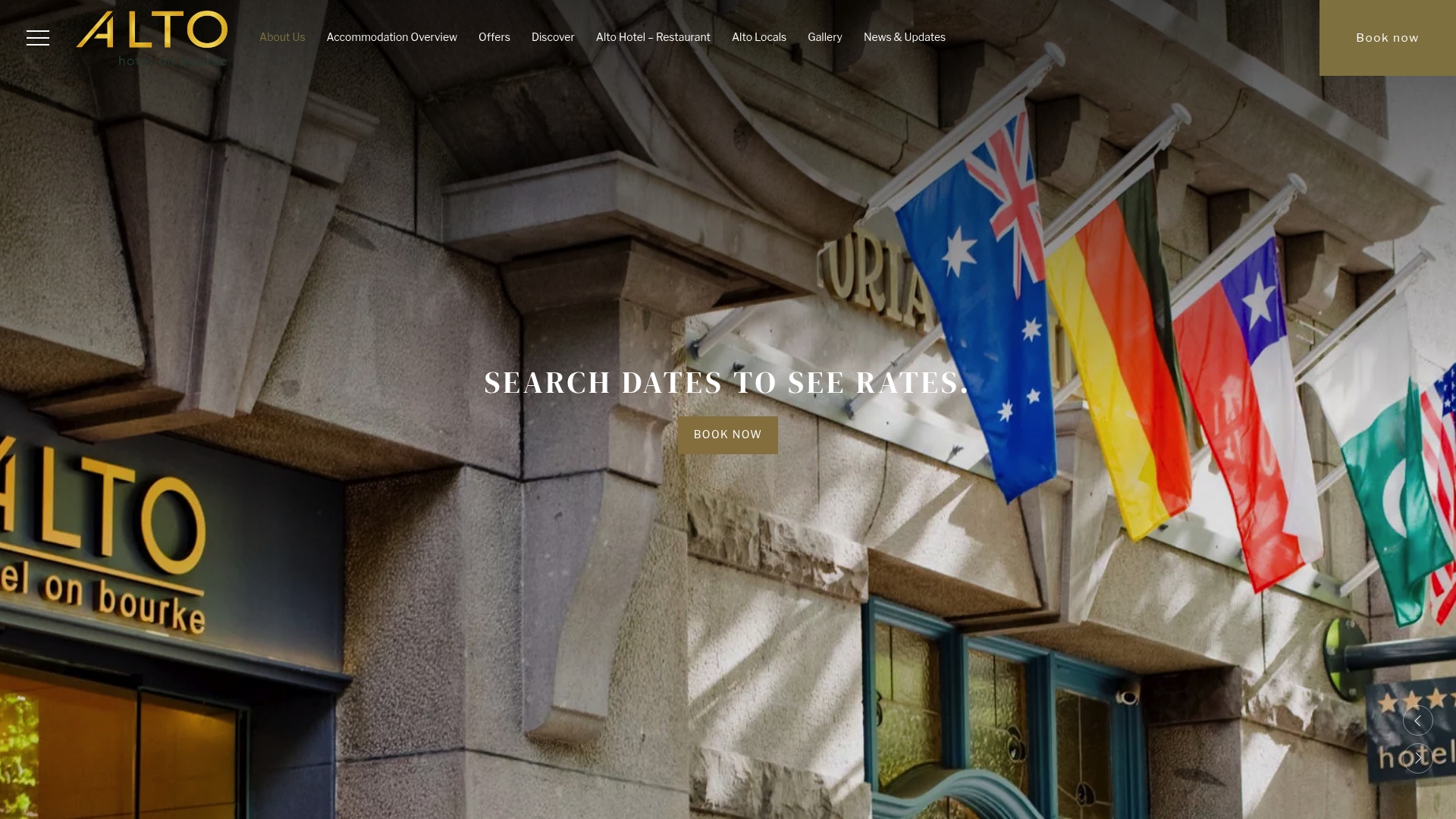
The 2-bedroom deluxe apartments at Altohotel suit travellers who want space to settle in, spread out their workshop materials, and stay long enough to absorb the city properly. Altohotel's Hall of Fame recognition in the Victorian tourism sector reflects a consistent standard that cultural travellers notice. If you are planning a Melbourne stay around hands-on cultural experiences, Altohotel gives you a base that shares the same values.
FAQ
What types of cultural workshops do hotels typically offer?
Hotels most commonly offer culinary arts, artisan crafts such as pottery and weaving, performing arts including traditional dance and music, and heritage repair techniques like kintsugi. The range varies by property and region.
How long do hotel cultural workshops usually run?
Workshop durations range from 30 minutes to 3 hours depending on complexity. Brief sessions like cocktail making run around 30 minutes, while jewellery making or field-to-table cooking can take a full half-day.
Do I need to book hotel cultural workshops in advance?
Advance booking is strongly recommended. Sessions are typically capped at 3–6 participants to maintain quality, and popular workshops at well-regarded hotels fill well before the date.
Are hotel cultural workshops suitable for solo travellers?
Yes. The small group format, usually 3–6 people, makes these sessions well-suited to solo travellers. The intimate setting encourages conversation and connection with both the instructor and other guests.
How much do hotel cultural workshops cost?
Costs vary widely. Some workshops are complimentary as part of an inclusive stay, while specialist sessions such as jewellery making can cost around €165. Cocktail-making classes typically sit around €35.