

Community partnerships in boutique hotels are defined as formalised or ongoing collaborative relationships between a hotel and local businesses, artisans, community organisations, or civic groups that generate mutual benefit. These arrangements sit at the core of what separates boutique properties from chain hotels. 72% of travellers prioritise authentic local experiences over brand recognition when selecting accommodation. That figure tells you exactly where the competitive advantage lies. The types of community partnerships boutique hotels build, from artisan collaborations to social inclusion projects, are no longer optional extras. They are the product.
1. Artisan collaborations: the most visible partnership type
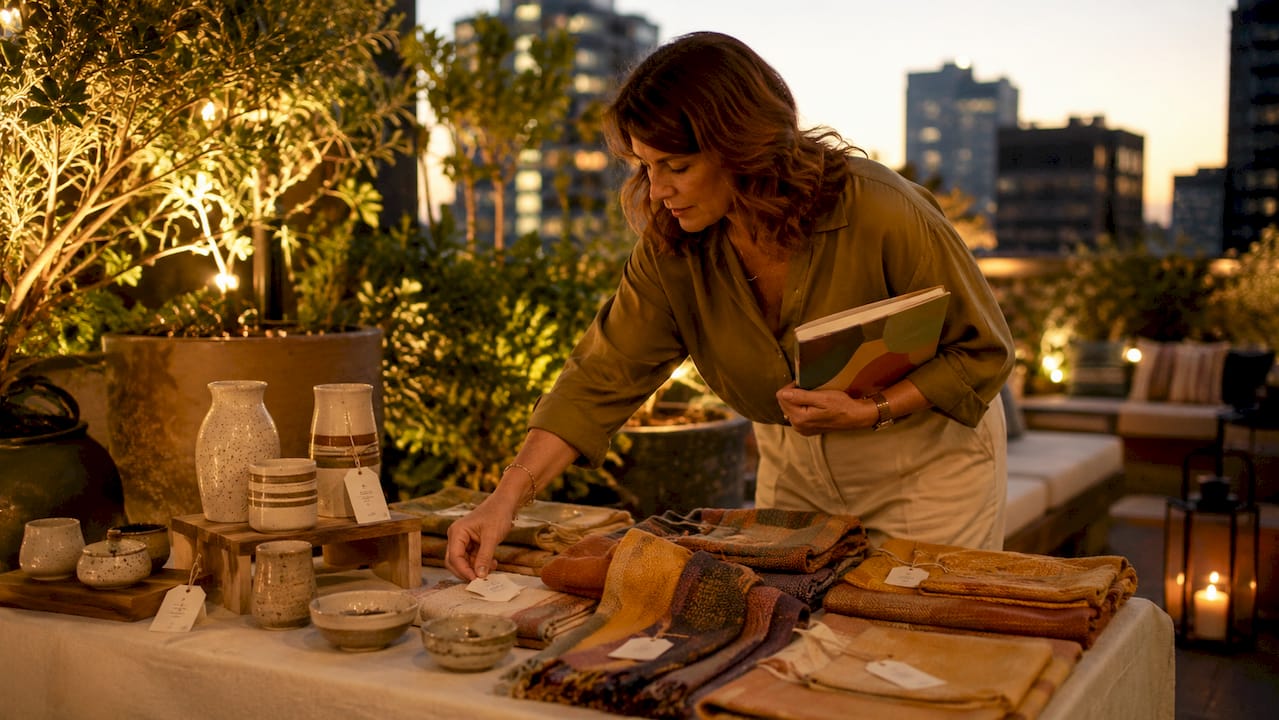
Artisan partnerships are the most widely adopted form of community engagement boutique hotels use, and for good reason. They are visible, marketable, and deeply tied to a property's cultural identity. The formats range from rotating visual art exhibitions and commissioned wall pieces to craft maker pop-ups and artist residencies hosted on-site.
The operational models vary considerably:
- Consignment retail: Local makers display and sell work through the hotel, sharing revenue without upfront cost to either party.
- Rotating exhibitions: Quarterly art cycles generate fresh press coverage and social media content with each new installation.
- Artist residencies: A resident artist works on-site for a defined period, producing pieces that become part of the hotel's permanent collection or public identity.
- Ticketed events: Opening nights, artist talks, and craft workshops create ancillary revenue streams beyond room bookings.
The financial upside is real. Ticketed events and merchandise sales contribute directly to the bottom line, while the cultural cachet of a well-curated programme attracts guests who would otherwise choose a competitor. Hotels that support local creative communities consistently report stronger social media engagement and higher repeat visit rates.
Pro Tip: Rotate your art programme every quarter. Each new exhibition is a legitimate news hook, giving you fresh content for email campaigns, Instagram, and local press without additional marketing spend.
2. Co-created culinary experiences with local producers
Culinary partnerships represent one of the highest-impact types of hotel partnerships available to boutique properties. They connect the hotel to local farmers, chefs, distillers, and food artisans in ways that guests experience directly at every meal.
The most effective formats include:
- Co-created menus: A local chef or producer collaborates on a seasonal menu, lending their name and story to the dining experience.
- Signature cocktails: A regional distillery or brewery develops an exclusive drink available only at your property.
- Pop-up dinners: A rotating series of guest chefs brings new audiences into the hotel while rewarding existing guests with novelty.
- Regional ingredient sourcing: Partnering with local farmers reduces supply chain environmental impact and supports the circular economy within your postcode.
Sourcing regional ingredients is not just an ethical choice. It is a storytelling asset. Guests who know their breakfast eggs came from a farm twenty kilometres away engage differently with the meal and with the hotel. Local sourcing circulates money within the community and reduces supply chain environmental impact, which matters increasingly to sustainability-focused travellers.
The operational complexity is real. Seasonal menus require supplier logistics planning, and pop-up events need coordination across kitchen, front-of-house, and marketing teams. The payoff is a differentiated food and beverage offering that no chain hotel can replicate.
Pro Tip: Feature the producer's name and story on the menu, not just the ingredient. "Eggs from Gippsland's Schulz Organic Farm" lands differently than "free-range eggs." Specificity builds trust and deepens the guest connection to place.
3. Social inclusion initiatives and civic hospitality
Social inclusion partnerships are the least transactional and most transformative type of boutique hotel community initiative available. The Italian model known as Albergo del Cuore demonstrates what this looks like at its most developed: a hotel operating as a social enterprise, employing marginalised community members, sourcing from social farms, and integrating accessibility and training into its core operations.
The key models in this category include:
- Local employment programmes: Prioritising hiring from disadvantaged or underrepresented groups in the surrounding neighbourhood.
- Training partnerships: Collaborating with TAFE colleges, community organisations, or disability employment services to create structured pathways into hospitality roles.
- Cooperative sourcing: Procuring food, cleaning products, or amenities from social enterprises and cooperatives rather than corporate suppliers.
- Resource-sharing arrangements: Offering hotel facilities, such as commercial kitchens or meeting rooms, to community organisations during off-peak hours.
Civic hospitality moves hotels from extractive models to engines of social inclusion and sustainability. This shift matters commercially as well as ethically. Hotels that embed themselves in community well-being build what planners call social licence, the goodwill that protects a business during disputes, planning applications, or periods of low occupancy. A hotel that employs local residents and supports community organisations is far harder to oppose than one that simply occupies a building.
4. Neighbourhood integration and local economic ecosystems
Neighbourhood integration is the broadest category of local business partnerships for hotels, and it operates at both the physical design level and the operational level. The goal is to make the hotel a genuine part of the neighbourhood rather than an enclave within it.
At the design level, public spaces accessible to locals such as takeaway windows, street-facing cafés, and public thoroughfares through the building signal that the hotel belongs to the neighbourhood, not just to its guests. Terreno Barrio in Palma, Mallorca, applies this principle through egalitarian design that integrates local public spaces directly into the hotel's architecture. The result is a property that locals use and value, which in turn makes it more attractive to guests seeking authentic neighbourhood experiences.
At the operational level, neighbourhood integration means:
- Participating in local councils, business improvement districts, and community forums.
- Sponsoring or volunteering at local festivals, markets, and cultural events.
- Procuring from regional artisans, farmers, and producers as a deliberate policy, not an occasional gesture.
- Hiring locally and paying above-award wages to reinforce the circular economy within the community.
Nohga Hotel Kiyomizu Kyoto demonstrates this through continuous participation in local festivals, neighbourhood councils, and upcycle initiatives. The hotel is regarded as a community asset, not merely a commercial operator. That status takes years to build and is nearly impossible for a chain hotel to replicate.
Pro Tip: Attend your local council meetings even when there is no agenda item directly relevant to your hotel. Consistent presence builds relationships before you need them, and you will need them eventually.
5. Cultural preservation and heritage partnerships
Cultural preservation partnerships are a distinct and underutilised category of collaborative partnerships for hotels. They involve working with cultural institutions, Indigenous communities, historical societies, or language groups to protect and share local heritage through the hotel experience.
The formats include hosting oral history events, commissioning works that document local stories, partnering with museums or galleries to display artefacts, and funding community-led cultural programmes. For boutique hotels in regions with significant Indigenous heritage, this category carries particular weight. A partnership with a local Aboriginal Land Council or cultural organisation, structured around genuine co-design and fair compensation, produces a guest experience that is both authentic and irreplaceable.
Boutique hotels reflect local culture most powerfully when that reflection is built with the community rather than applied as surface decoration. The distinction matters to guests and to the communities involved. A hotel that commissions a mural from a local artist is doing something different from a hotel that researches the neighbourhood's history, partners with a heritage organisation, and builds an interpretive experience around it.
6. Environmental and sustainability partnerships
Sustainability partnerships connect boutique hotels to the environmental organisations, waste reduction programmes, and green supply chains operating in their region. These arrangements are increasingly central to how boutique hotels support communities while meeting their own sustainability targets.
Common structures include formal agreements with local composting or food rescue organisations, partnerships with urban farms or community gardens, participation in regional renewable energy cooperatives, and joint procurement arrangements with other local businesses to reduce packaging waste. Alto Hotel on Bourke has built its identity around this model, operating as one of Melbourne's first environmentally rated hotels and partnering with local organisations to reduce its ecological footprint while enhancing the guest experience.
Mutual-benefit collaborations such as shared events, co-branded services, and local procurement focused on sustainable growth increase guest stays and brand equity. The global wellness tourism market is projected to reach $1.3 trillion by 2027, which means sustainability credentials are becoming a booking driver, not just a brand differentiator.
7. Comparison of partnership types for boutique hotels
Choosing the right mix of community partnerships depends on your hotel's size, location, guest profile, and sustainability goals. The table below compares the four primary types across the dimensions that matter most to hotel managers.
| Partnership type | Guest impact | Revenue potential | Operational complexity | Best fit |
|---|---|---|---|---|
| Artisan collaborations | High visibility, strong social media | Moderate (events, retail) | Low to moderate | Urban hotels with creative precincts nearby |
| Culinary co-creations | Direct, daily guest experience | High (F&B revenue uplift) | Moderate to high | Hotels with on-site dining and regional producers |
| Social inclusion initiatives | Indirect but deep community trust | Low direct, high brand equity | High (HR, compliance) | Hotels in areas with employment disadvantage |
| Neighbourhood integration | Broad, long-term loyalty | Low direct, high occupancy support | Low (relationship-based) | All boutique hotels regardless of size |
| Cultural preservation | Distinctive, memorable experiences | Moderate (events, tours) | Moderate | Hotels in heritage-rich or Indigenous regions |
Partnerships prioritising social impact and shared goals yield sustainable success, while those focused only on transactional discounts tend to dissolve when the commercial incentive shifts. Use this table as a starting point, then layer in your specific context.
Key takeaways
The most effective community partnerships for boutique hotels combine artisan, culinary, social, and neighbourhood strategies to build authentic guest experiences and long-term local trust.
| Point | Details |
|---|---|
| Artisan collaborations drive visibility | Rotating quarterly exhibitions generate fresh marketing content and ancillary revenue through events. |
| Culinary partnerships differentiate daily | Co-created menus and regional sourcing produce guest experiences no chain hotel can replicate. |
| Social inclusion builds social licence | Employing marginalised groups and sourcing from cooperatives protects long-term community goodwill. |
| Neighbourhood integration is foundational | Physical design and civic participation make the hotel a community asset, not just a commercial tenant. |
| Transactional thinking undermines partnerships | Shared values and long-term investment, not discounts, are what make community collaborations last. |
Why genuine community partnerships are harder than they look
I have seen boutique hotel managers approach community partnerships the way they approach a marketing campaign: set a budget, run the activation, measure the return, move on. That model produces exactly the kind of hollow outcome it deserves.
The hotels that build genuinely valuable community relationships treat them the way you would treat a long-term staff member. You show up consistently. You listen more than you talk. You accept that the relationship has value even in periods when it is not generating direct revenue. Nohga Hotel's approach in Kyoto is instructive here. Their participation in local festivals and councils is not a PR exercise. It is a genuine investment in belonging to a place, and it has made them irreplaceable in their neighbourhood.
The uncomfortable truth is that most boutique hotels underinvest in the listening phase. They identify a local artist or a nearby farm and propose a deal before they understand what that partner actually needs. The best partnerships I have observed start with a conversation that has no agenda attached. What does this community need? What can we offer that is genuinely useful? The commercial structure comes later.
For hotel managers reading this: your community partnerships will only be as strong as your willingness to be a genuine participant in neighbourhood life. That means attending the council meeting when nothing is on the agenda, buying from the local supplier even when the price is slightly higher, and commissioning the artist whose work challenges your guests rather than simply decorating the lobby.
— Kamal
See community engagement in action at Alto Hotel on Bourke
Alto Hotel on Bourke has spent years building the kind of local partnerships this article describes, from collaborations with Melbourne artisans to sustainable sourcing arrangements that reduce environmental impact without compromising guest comfort. The hotel holds Hall of Fame recognition in the Victorian tourism sector, a reflection of what genuine community engagement produces over time.
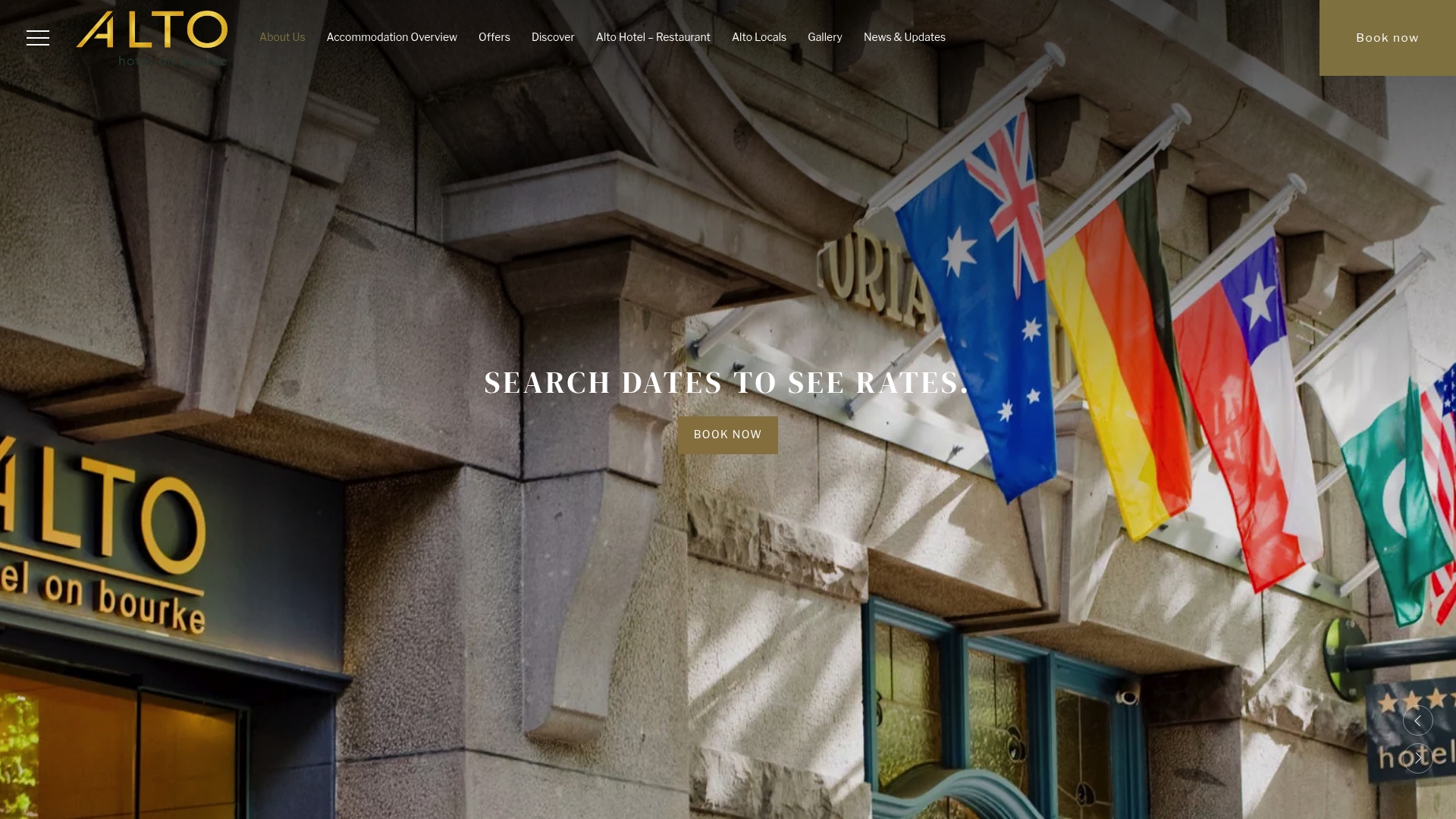
If you are a hotel manager looking to understand what boutique community engagement looks like in practice, Alto Hotel's Melbourne boutique experience offers a working model worth studying. Guests travelling to Melbourne can explore accommodation options designed around the same principles of local connection and ecological awareness that underpin every partnership the hotel maintains.
FAQ
What are the main types of community partnerships for boutique hotels?
The primary types are artisan collaborations, culinary co-creations with local producers, social inclusion initiatives, neighbourhood integration programmes, cultural preservation partnerships, and environmental sustainability arrangements. Each type delivers different combinations of guest impact, revenue potential, and community benefit.
How do boutique hotels benefit financially from community partnerships?
Neighbourhood hiring and reinvestment models increase guest stays and brand equity, while ticketed events, co-branded merchandise, and F&B revenue from culinary partnerships contribute directly to revenue. The longer-term benefit is occupancy stability driven by community goodwill and word-of-mouth.
What makes a community partnership sustainable long-term?
Shared social and environmental goals rather than transactional discounts are what sustain community partnerships. Formal agreements that emphasise mutual benefit, fair pay, and consistent engagement outlast arrangements built purely on short-term commercial incentives.
How should boutique hotels start building local partnerships?
Start with a listening phase before proposing any commercial arrangement. Attend local council meetings, visit nearby producers and artisans, and ask what the community needs before presenting what the hotel wants. Long-term community loyalty is built through consistent presence and fair dealing, not one-off activations.
Do community partnerships improve guest satisfaction?
Yes. Because 72% of travellers prioritise authentic local experiences when choosing accommodation, partnerships that deliver genuine local connection directly influence booking decisions and guest satisfaction scores.