
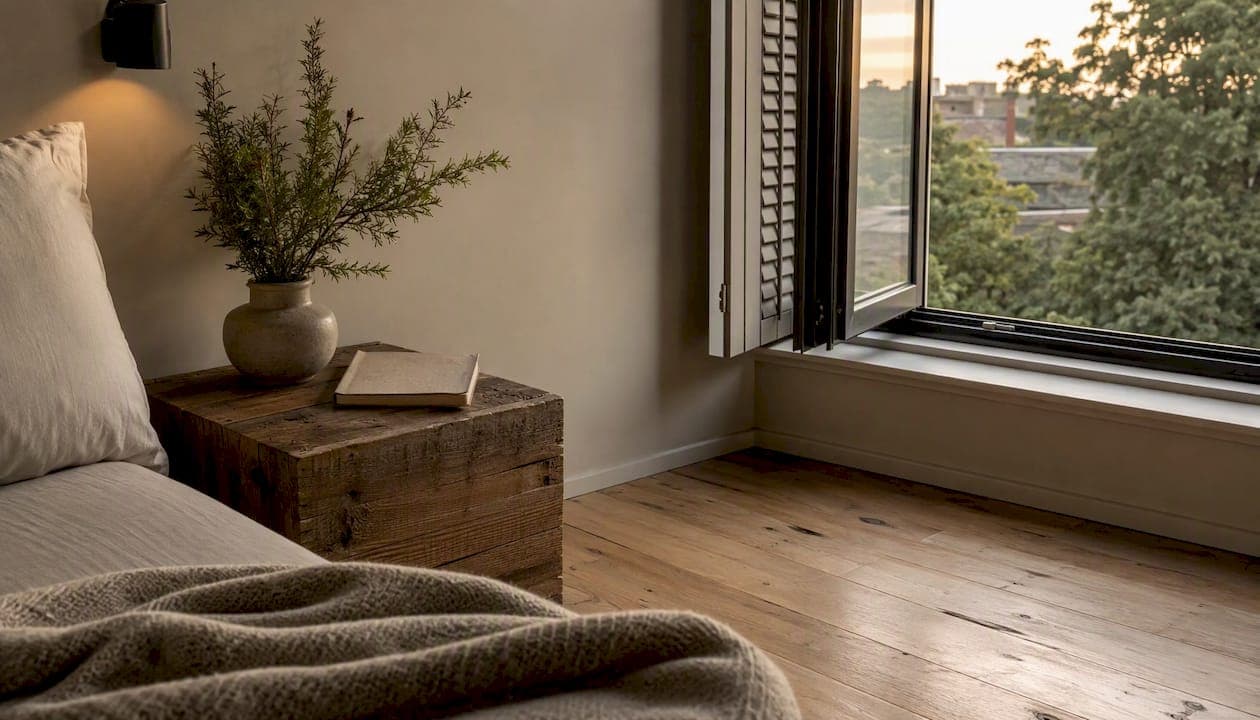
Book an apartment-style room with hard flooring, a kitchenette, and a confirmed fragrance-free housekeeping policy. That single combination does more for your family's air quality than any portable purifier you could pack. For Australian families, Alto Hotel on Bourke in Melbourne is a standout local option that meets these criteria. Before you confirm any booking, do two things:
- Ask the property three direct questions: Does the room have hard floors (not wall-to-wall synthetic carpet)? Is there a fragrance-free housekeeping option? Has the room been renovated in the past six months?
- Request in writing that fragranced amenities be removed before arrival and that windows be opened for at least 30 minutes prior to check-in.
Certifications such as WELL and LEED give you a shortcut when a property has done the verification work already. They are not universal, but their presence signals that someone has audited the materials and air quality rather than just claimed it.
Key takeaways
Choosing a hard-floor, fragrance-free, apartment-style room and confirming it in writing before arrival is the single most effective action eco-conscious families can take to secure a genuinely non-toxic hotel stay.
| Point | Details |
|---|---|
| Book the right room type | Apartment-style rooms with hard floors and a kitchenette give families the most control over air quality and food safety. |
| Ask three core questions | Confirm hard floors, fragrance-free housekeeping, and whether the room was recently renovated before you pay. |
| Avoid renovation-fresh rooms | Hotels renovate every five to seven years; newly updated rooms carry the highest off-gassing risk from adhesives and paints. |
| Use arrival tactics | Open windows for 15–20 minutes on arrival; a fresh-air flush reduces VOC load faster than a small portable purifier. |
| Check certifications | WELL, LEED, Declare, and IAQ programmes (FreshAir Sensor, Pure Wellness) signal verified material and air-quality standards. |
| Alto Hotel on Bourke | Melbourne's two-bedroom sleepover apartment offers hard floors, a kitchenette, and eco-certified amenities — book direct and request fragrance-free setup. |
Table of Contents
- What does 'non-toxic' actually mean for a hotel room?
- Room features eco-conscious families should prioritise
- How do you verify non-toxic claims when booking in Australia?
- Red flags that signal a higher chemical or allergy risk
- Day-of-stay tactics to reduce your family's exposure
- How Alto Hotel on Bourke delivers a non-toxic family stay
- Why 'invisible wellness' is the real family luxury
- Alto Hotel on Bourke: book your non-toxic family stay
- Certifications and programmes worth checking
- Sources
What does 'non-toxic' actually mean for a hotel room?
The term gets used loosely, so it helps to know what it should mean in practice. A genuinely non-toxic room limits your family's exposure to volatile organic compounds (VOCs), synthetic fragrances, heavy metals, and allergen-harbouring materials. That covers four overlapping areas.
Building materials and finishes. Silicate-based paints, eco-friendly adhesives, and natural-fibre mattresses reduce off-gassing and dust-mite build-up. Natural rubber or coconut-fibre mattresses are a meaningful step up from standard polyurethane foam, which can off-gas for months. Natural materials including wood, bamboo, and wool actively improve room air quality; wool in particular can bind formaldehyde and similar gases in its fibres.
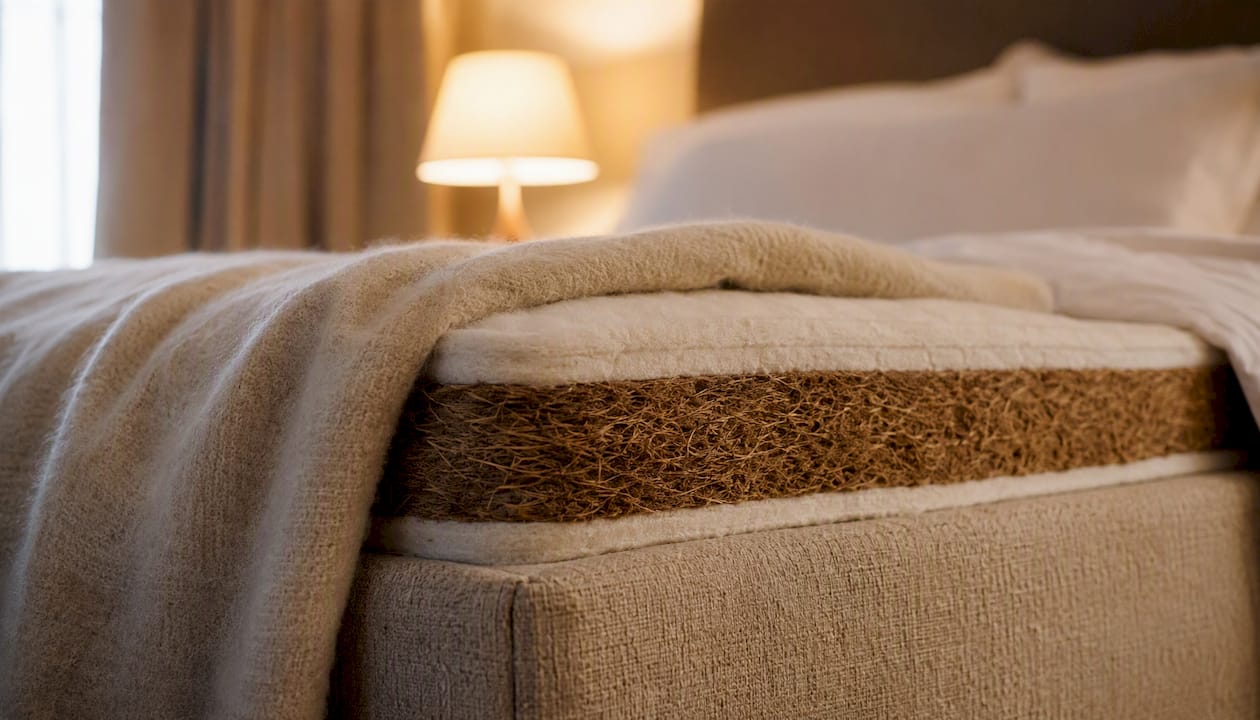
Cleaning protocols. Fragrance-free, low-toxicity detergents matter as much as the materials themselves. A room built from natural materials but cleaned with heavily scented products still exposes children to synthetic fragrance compounds.
Indoor air quality (IAQ). Verified IAQ goes beyond cracking a window. It means the property tracks particulate levels, uses non-toxic cleaning agents, and ideally holds a programme certification such as FreshAir Sensor or Pure Wellness.
Material transparency and certification. Third-party schemes like Declare and Cradle to Cradle require manufacturers to disclose every ingredient in a product. Avoiding PVC and specifying certified low-tox materials is the design standard recommended by the Sustainable Hospitality Alliance.
The renovation cycle matters. The hospitality sector typically renovates every five to seven years, and freshly renovated rooms often carry the highest chemical load from new adhesives, paints, and synthetic furnishings. A room that looks pristine may be the worst choice for a child with sensitivities.
'Eco-friendly' and 'non-toxic' overlap significantly at the materials level, but they are not identical; for example, small properties prioritising eco-friendly glues, natural wood and organic textiles offer great case studies in this area, such as Villa Sakis — Swedish Farmhouse Retreat in Bergslagen. A hotel can use solar panels and still fill its rooms with PVC flooring and synthetic fragrance. For families, the non-toxic criteria above are the ones that matter for health outcomes: fewer respiratory triggers, lower off-gassing exposure, and reduced skin irritation for young children.
Room features eco-conscious families should prioritise
Use this as a booking checklist. The features are ranked roughly by impact for infants and young children, where respiratory and skin sensitivity is highest.
Must-have features:
- Hard floors (timber, cork, linoleum, or polished concrete) rather than wall-to-wall synthetic carpet, which traps dust mites, pet dander, and chemical residues
- Low-VOC or silicate-based paints and PVC-free surfaces on walls and furniture
- Windows that open, or balcony access, for fresh-air ventilation
- Hypoallergenic mattress and pillow encasements
- Fragrance-free housekeeping policy (confirmed in writing)
- Kitchenette or filtered water tap, so you control food preparation and avoid plastic-bottled water
- Apartment-style eco accommodation gives families the space and self-catering control that a standard hotel room rarely offers
Good to have:
- Medical-grade or verified air purification (not just a consumer-grade unit placed in the corner)
- Natural-fibre bedding (wool, organic cotton, or linen)
- Solvent-free adhesives and natural wood casegoods
Numbered pre-trip booking checklist:
- Search the property's website for explicit mentions of fragrance-free policy, IAQ programme, or sustainability certification.
- Email or call to confirm hard floors and ask about recent renovations.
- Request hypoallergenic encasements and removal of fragranced toiletries before arrival.
- Ask whether a room that hasn't been occupied the previous night is available.
- Confirm the room type in writing and save the confirmation.
Pro Tip: For infants and toddlers, hard floors and hypoallergenic encasements are the two features with the most direct impact on sleep quality and respiratory health. Prioritise those two above everything else if you have to choose.
How do you verify non-toxic claims when booking in Australia?
Property websites are the first filter. Look for explicit language: "fragrance-free housekeeping," "low-VOC finishes," "WELL-certified," or "IAQ programme." Vague phrases like "eco-conscious" or "green hotel" without specifics are not verification. Understanding how to read eco labels and certifications is worth doing before you start comparing properties.
Sample email you can copy and send:
How to read the replies:
A good answer is specific: "Yes, our studio rooms have timber floors," or "We use fragrance-free cleaning products on request." A red-flag answer is vague: "We take sustainability seriously" or "Our rooms are very clean." Deflection without specifics means the property has not thought about this and is unlikely to accommodate your requests reliably.
Specialised IAQ programmes such as FreshAir Sensor, Pure Wellness, and Delos Stay Well document multi-step room protocols and sometimes charge a modest premium for certified higher-IAQ rooms. If a property offers one of these, it is worth paying.
Pro Tip: Ask specifically for a room that was not occupied the previous night. Many properties can accommodate this with 24–48 hours' notice, and it gives the room time to air out naturally between guests.
Red flags that signal a higher chemical or allergy risk
Spot these in photos, property descriptions, or replies before you commit.
- Heavy wall-to-wall synthetic carpet. Traps dust mites, VOCs, and cleaning-product residues. Children who play or crawl on the floor are most exposed.
- Recent renovation without VOC disclosure. New adhesives, paints, and synthetic furnishings off-gas most heavily in the first weeks. Ask directly; a good property will tell you.
- Vinyl or PVC wallcoverings and furniture. Established lower-risk alternatives include linoleum, cork, solid wood, and silicone blends. If a property uses PVC throughout, it has not prioritised material health. Request a room with natural-surface finishes or a balcony for ventilation.
- Strong in-room fragrance or scented HVAC. Scent branding is a common trigger for chemical sensitivities; industry experts now describe 'invisible wellness' (no scent, real IAQ, breathable materials) as the superior standard. If you can smell the room from the corridor, ask to be moved.
- Packaged single-use toiletries with synthetic fragrance. Request removal before arrival or bring your own fragrance-free alternatives.
- Unknown mattress foam types or brominated flame-retardant fabrics. These are harder to verify remotely. Ask whether the property uses certified low-tox bedding or can provide hypoallergenic encasements.
Day-of-stay tactics to reduce your family's exposure
Room selection does most of the work, but arrival habits matter too.
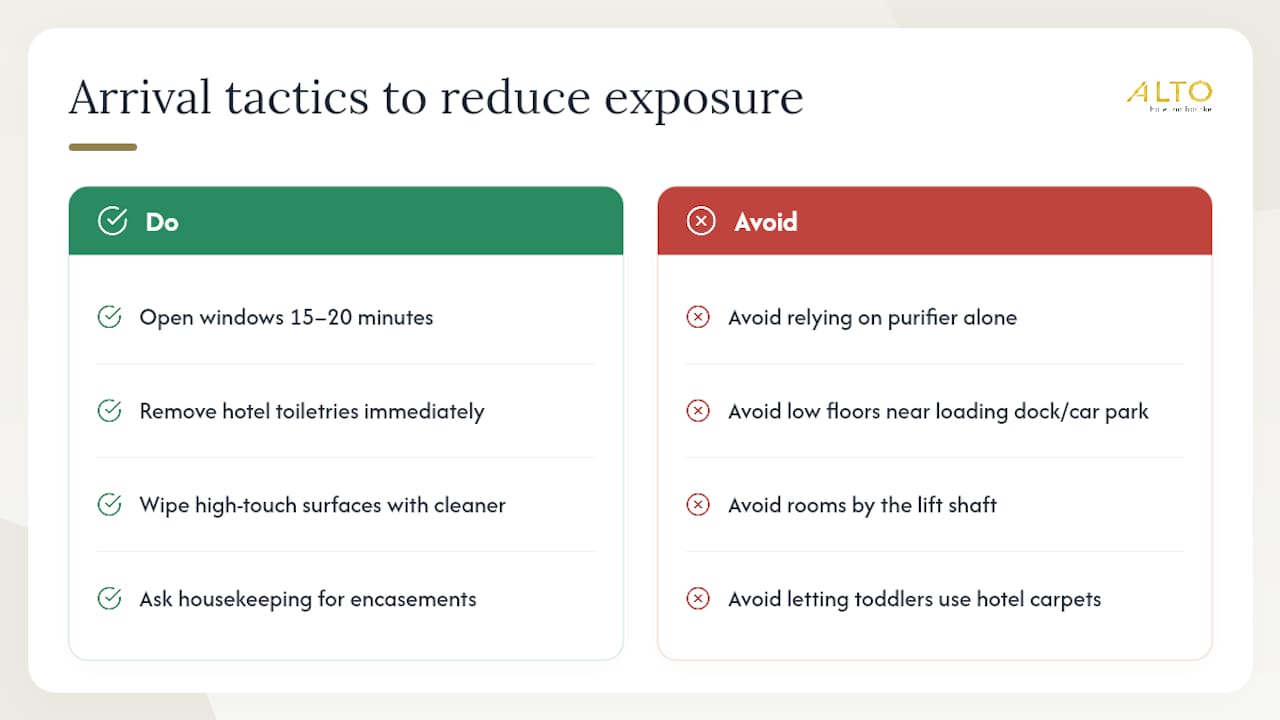
Open every window as soon as you enter and leave them open for at least 15–20 minutes. A short fresh-air flush from an open window often reduces chemical load faster than a small portable purifier, which typically cannot scrub pervasive VOCs from a full hotel room. Use the purifier as a supplement, not a substitute for ventilation.
Remove hotel toiletries from the bathroom immediately and replace them with your own fragrance-free products. Wipe high-touch surfaces (remote controls, door handles, light switches) with a non-toxic cleaner you've packed. If hypoallergenic encasements were not pre-installed, call housekeeping and ask for them on arrival.
For room placement, request a higher floor away from the loading dock and car park (exhaust fumes travel upward along building facades). A corner room away from the lift shaft also tends to have better natural ventilation. Guidance for travellers with chemical sensitivities consistently recommends rooms with balconies and higher floors as the most reliably lower-exposure option.
Pro Tip: Pack a small foldable play mat for toddlers. Even in a room with hard floors, it gives children a clean, familiar surface and keeps them off hotel carpets in corridors and common areas.
How Alto Hotel on Bourke delivers a non-toxic family stay
Alto Hotel on Bourke is one of Melbourne's first environmentally rated boutique hotels, and its room design aligns closely with the checklist above. The property offers studio rooms, one-bedroom options, and two-bedroom sleepover apartments with in-room kitchen facilities, which give families the self-catering control that matters for managing food, water, and toiletries independently.
Key features relevant to non-toxic family stays:
- Apartment-style rooms with hard flooring rather than wall-to-wall synthetic carpet
- In-room kitchenettes for filtered water access and self-prepared meals
- Eco-conscious materials and amenities aligned with the hotel's environmental rating
- Partnerships with local artisans and sustainability-focused suppliers
- Hall of Fame recognition in the Victorian tourism sector for sustained environmental commitment
When booking, phrase your request specifically: "We are travelling with children and would like to confirm the room has hard floors, and request that fragranced toiletries be removed before our arrival. We would also appreciate a room that has not been occupied the previous night if possible." The property's boutique scale means these requests are far more likely to be accommodated than at a large chain. Boutique hotels generally offer more family space and flexibility than standard chain properties at a comparable price point.
Why 'invisible wellness' is the real family luxury
The hospitality industry has spent decades equating luxury with sensory abundance: thick carpet underfoot, a signature scent pumped through the HVAC, toiletries in heavy glass bottles. For families with young children, that model is exactly backwards.
A child's respiratory system is more sensitive to airborne chemicals than an adult's. The fragrances, off-gassing adhesives, and synthetic fibres that a healthy adult barely notices can disrupt a toddler's sleep, trigger eczema flares, or aggravate asthma. The real luxury for a travelling family is a room where nothing is fighting their biology: clean air, breathable materials, no synthetic scent, and surfaces that don't harbour allergens.
Industry expert Glenn Hasek frames this shift precisely: removing chemical fumes and prioritising real air purification and breathable materials is now a marker of high-end hospitality, not an austerity measure. Sustainable hotel design that prioritises quieter, lower-chemical environments is increasingly where the best properties are heading. The hotels that understand this are not stripping out comfort. They are replacing cosmetic luxury with something that actually restores you.
Alto Hotel on Bourke: book your non-toxic family stay
Families who want a Melbourne stay that matches the checklist in this guide have a direct option. Alto Hotel on Bourke's two-bedroom sleepover apartment gives a family genuine room to move, a kitchenette for full control over food and water, and hard flooring throughout. The studio queen suits smaller families wanting self-catering flexibility without the footprint of a full apartment. Both room types sit within a property that has held environmental certification since its early days in Melbourne's CBD.
To secure a non-toxic setup, book directly via the Alto Hotel website and include this note with your reservation: "Travelling with children — please remove fragranced toiletries before arrival and confirm hard-floor room. Request room not occupied the previous night if available." Booking direct also gives you access to exclusive offers not available through third-party portals. Check current availability and view all room types at Alto Hotel on Bourke.
Certifications and programmes worth checking
Third-party verification is the fastest way to cut through greenwash. Here is what the main schemes actually certify.
| Certification / Programme | What it covers |
|---|---|
| WELL Building Standard | IAQ, water quality, materials, lighting, and occupant health outcomes — the most comprehensive for family health priorities |
| LEED (Leadership in Energy and Environmental Design) | Energy, water, and materials efficiency; strong on construction materials but less focused on guest-level IAQ |
| Declare (Living Future Institute) | Full ingredient disclosure for building products; flags Red List chemicals including PVC, formaldehyde, and flame retardants |
| Cradle to Cradle | Material health, recyclability, and lifecycle impact; requires manufacturers to disclose and improve ingredient profiles |
| FreshAir Sensor | Room-level air quality monitoring with documented cleaning protocols; hotels may charge a premium for certified rooms |
| Pure Wellness (Pure Rooms) | Multi-step room purification protocol including HEPA filtration and allergen reduction; targets allergy and asthma sufferers |
| Delos Stay Well | Medically informed room design covering air, light, sleep, and nutrition; developed with the Cleveland Clinic |
| National Asthma Council Sensitive Choice (Australia) | Australian programme identifying products and services that support people with asthma and allergies |
For families, the most useful certifications are those that cover materials and IAQ together: WELL, Declare, and FreshAir Sensor or Pure Wellness for room-level air quality. Energy-only labels like a basic Green Star rating tell you about the building's carbon footprint, not the chemical environment inside your room. When a property holds none of these, the written confirmation process described earlier in this guide is your best substitute.
Sources
- Sustainable by tradition: the renewable hotel room | Green Pearls
- How to better accommodate travellers with multiple chemical sensitivities | Green Lodging News
- Low‑tox travel guide to a healthier family trip | Truly Free Home
- The importance of materials | Hotel Business
- Understanding the environmental impact of vinyl & its alternatives | Green Lodging News
- The calming influence of natural materials in hotel casegoods | LCM