
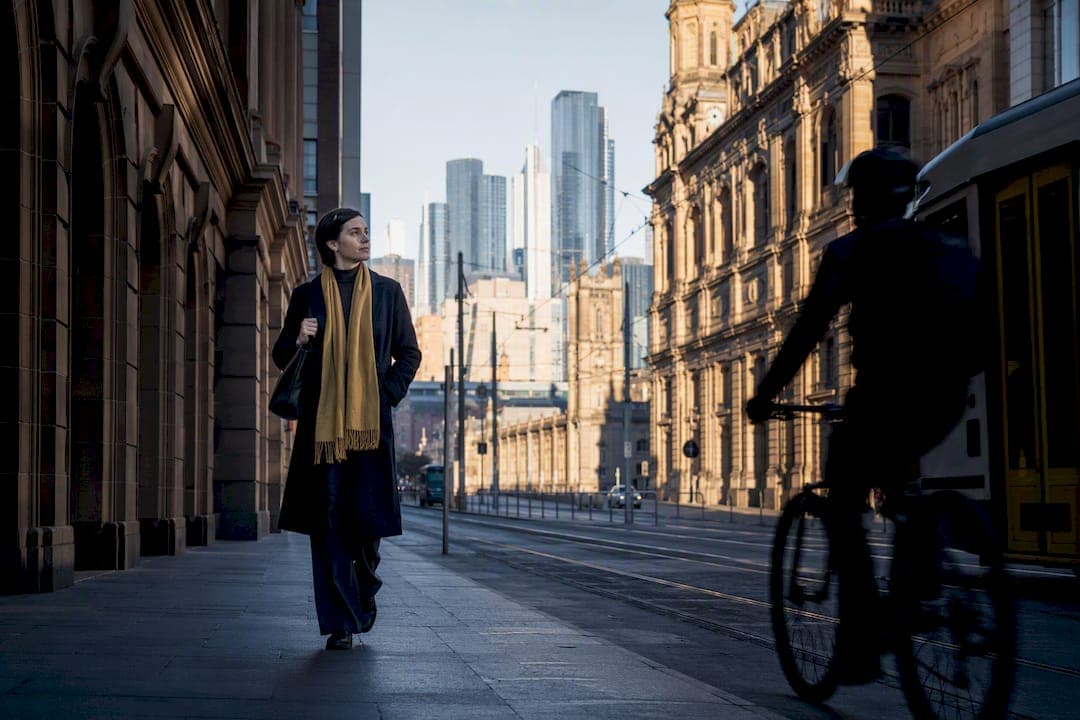
Melbourne is one of the easier Australian cities to visit with a light footprint, thanks to dense trams, walkable parks and a growing base of certified eco-operators. Book an eco-aware boutique stay such as Alto Hotel on Bourke, plan your days around the Free Tram Zone and bike paths, and pencil in one regenerative day trip. The rest of this guide covers stays, experiences, transport, verification and budgeting so you can put that plan into action.
TL;DR:
- Most Melbourne accommodation with verified credentials such as Ecotourism Australia or B-Corp certification emphasizes local procurement, energy efficiency, and waste reduction practices.
- Small-group, low-impact experiences like wildlife tours and guided nature walks support habitat restoration and conservation efforts rather than merely minimizing harm.
- Public transport options like the Free Tram Zone and bike lanes enable visitors to reduce carbon emissions without relying on hire cars or taxis.
- The best natural sites manage visitor numbers and timing through caps and seasonality to protect ecosystems while still offering rich outdoor experiences.
- Verify sustainability claims by seeking published targets, local procurement lists, and independent certification rather than marketing buzzwords alone.
Table of Contents
- Why Melbourne and regional Victoria make good sustainable destinations
- Where to stay sustainably in Melbourne — what to check before booking
- Eco experiences and low-impact day trips around Melbourne and Victoria
- Getting around Melbourne sustainably
- How to verify sustainability claims and choose trusted operators
- Practical tips for low-impact travel in Melbourne
- Sustainable travel budgeting advice specific to Melbourne
- Seasonal considerations for sustainable travel in Melbourne
- Local community engagement and support opportunities
- A traveller's honest take on Melbourne
- Book an eco-aware boutique stay in Melbourne
- Sources
- FAQ
Why Melbourne and regional Victoria make good sustainable destinations
Melbourne packs an unusual amount of green space into a compact city grid. The Royal Botanic Gardens Victoria alone draws visitors into 38 hectares of curated landscape minutes from the CBD, and its urban greening programming shows how a big city can still protect biodiversity within its own borders. Yarra Bend and Albert Park add river trails and lakeside loops you can reach on foot or by bike, no car required.
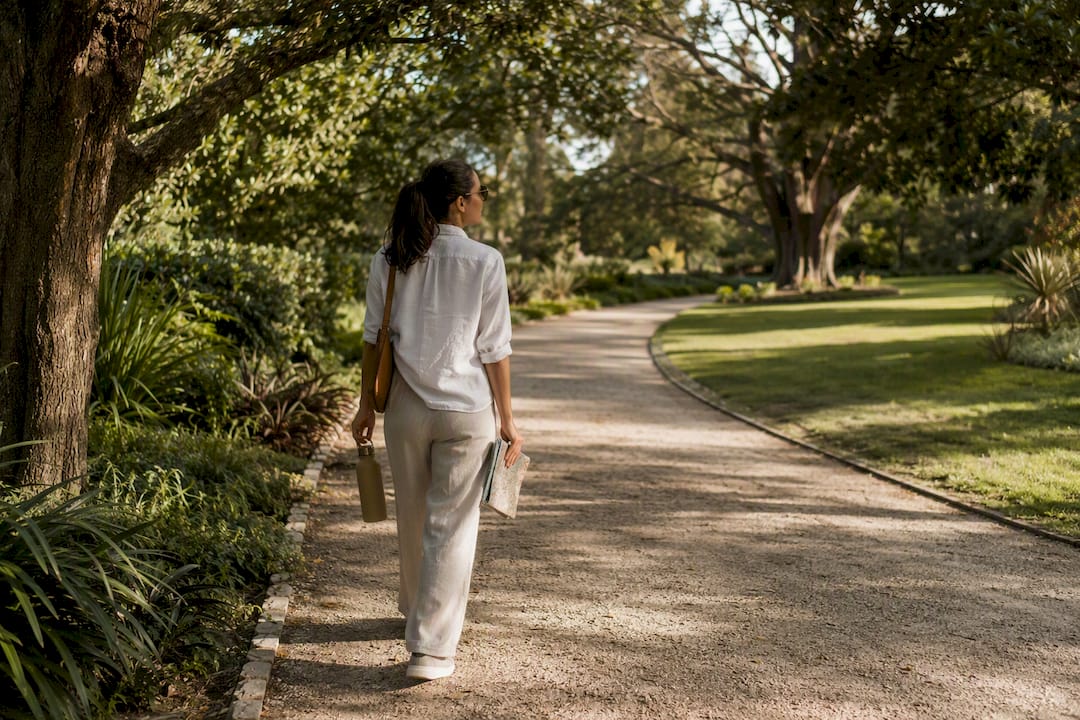
Transport is where Melbourne earns its reputation. The Free Tram Zone covers most of the CBD, regional trains run out to Geelong, Ballarat and beyond, and the bike lane network keeps expanding each year. That combination means a visitor can genuinely skip hire cars for most of a trip.
Head slightly further and the payoff grows. The Mornington Peninsula, Phillip Island, the Dandenong Ranges and Wilsons Promontory all manage visitor numbers deliberately, protecting fragile coastlines and forest ecosystems while still welcoming day-trippers and overnighters. Wilsons Prom caps camping numbers in peak season; Phillip Island times its famous penguin viewing to limit disturbance. These aren't accidents. They're conservation decisions dressed up as good tourism, and they give travellers a rare thing: a nature experience that doesn't cost the place its wildlife.
Where to stay sustainably in Melbourne — what to check before booking
Accommodation is usually the biggest single line item in a trip's footprint, so it's worth spending five minutes checking before you book rather than five days regretting it. Run any Melbourne stay through this checklist:
- Location and transport access. Is it walkable to a tram stop or train station, or does it push you toward taxis and hire cars?
- Energy and water management. Look for solar, efficient heating and cooling, and low-flow fixtures.
- Local procurement. Does the property source food, amenities or furnishings from Victorian producers and artisans?
- Waste and laundry practices. Daily linen changes and single-use toiletries are a red flag; opt-in laundry and refillable dispensers are a green one.
- EV charging and bike storage. A small but telling sign a property has thought about guest transport.
- In-room resource use. Kitchen facilities in apartment-style rooms cut down on takeaway packaging and encourage cooking with local produce.
In Australia, the credentials worth trusting are Ecotourism Australia certification, B-Corp status, and Green Key. Ecotourism Australia's certification requires independent assessment against environmental and social criteria, not just a self-declared "green" label. B-Corp status measures a business's overall social and environmental performance, covering governance and community impact as well as environmental practice.
Alto Hotel on Bourke was one of Melbourne's first environmentally rated hotels, built with eco-conscious materials and structured around studio and apartment layouts that include in-room kitchens. It also partners with local artisans, which lines up with the local-procurement check above, and its inclusion in the Victorian tourism sector's Hall of Fame reflects a sustained track record rather than a one-off award.
Pro Tip: Before booking, search the property name plus "sustainability report" or check its own site for a dedicated environmental page. If a hotel can't point to specifics beyond "we care about the planet," treat that as a gap, not a guarantee.
Eco experiences and low-impact day trips around Melbourne and Victoria
The best experiences around Melbourne share a pattern: small groups, human power over horsepower, and a genuine stake in the place they operate in. Guided walking tours through the Dandenong Ranges, kayaking on the Yarra, and small-group wildlife tours with strict visitor caps all fit that mould, and they tend to leave a lighter mark than a full-day bus tour crammed with stops.
What separates a good "sustainable" tour from a genuinely regenerative one comes down to a few features worth asking about directly:
- Does the operator run or support citizen science, such as wildlife monitoring or water quality data collection?
- Is there active habitat restoration work tied to the tour, not just a donation line in the marketing copy?
- Are meals sourced from local producers rather than pre-packaged supplies?
- Is there a transparent giving-back mechanism, such as a fixed percentage of each booking going to a named project?
Wild Adventures Melbourne is a useful reference point here. It's a certified B-Corp operating as a regenerative tourism business, donating a portion of bookings to conservation and community projects rather than treating sustainability as a marketing footnote. That framing matters: operators are increasingly moving from "sustainable" to "regenerative", meaning the trip itself actively contributes to conservation outcomes instead of simply minimising harm.
Before you book any tour, ask for the group size cap, the specific conservation project it supports, and whether that support is measurable. If the operator can't answer any of those three, keep looking.
Getting around Melbourne sustainably
Transport choices usually matter more to your trip's footprint than which hotel you pick, so get this part right first.
- Plan every trip with the PTV app before you leave. Real-time journey planning cuts wait times and avoids the idling minutes that quietly add up across a week-long trip.
- Use the Free Tram Zone for anything inside the CBD loop. It's free, frequent, and removes any reason to hail a car for short hops.
- Walk or hire a bike for trips under three kilometres. Melbourne's bike lane network has grown steadily, and most CBD routes are flat and well signed. Stick to designated lanes and avoid peak-hour arterial roads if you're not used to city cycling.
- When public transport genuinely won't work, choose a low-emission taxi over a private hire car. ME CABS runs a green fleet that's roughly 90% hybrid or electric, which cuts per-ride emissions well below a standard petrol taxi or a private car hire booking.
That order isn't arbitrary. Each step trades convenience for a real cut in emissions, and stacking them across a multi-day stay adds up faster than swapping one hotel booking for another.
How to verify sustainability claims and choose trusted operators
"Eco-friendly" is not a protected term in Australia, so verification is on you. Three credentials are worth trusting: Ecotourism Australia certification, B-Corp status, and signatory status on the Glasgow Declaration on Climate Action in Tourism, which commits businesses to published emissions targets aligned with halving sector emissions by 2030.
Before booking, run through a short checklist:
- Ask for published environmental targets, not just a mission statement.
- Ask whether the business has a local procurement list, even an informal one.
- Ask how they measure and report carbon, and whether that's independently checked.
- Ask about documented community partnerships, such as Traditional Owner collaborations or local employment commitments.
Red flags are usually easy to spot once you know to look. Vague language like "eco-friendly practices" with no specifics, no independent certification anywhere on the site, and no mention of who benefits locally are all signs the claim is marketing rather than substance.
Practical tips for low-impact travel in Melbourne
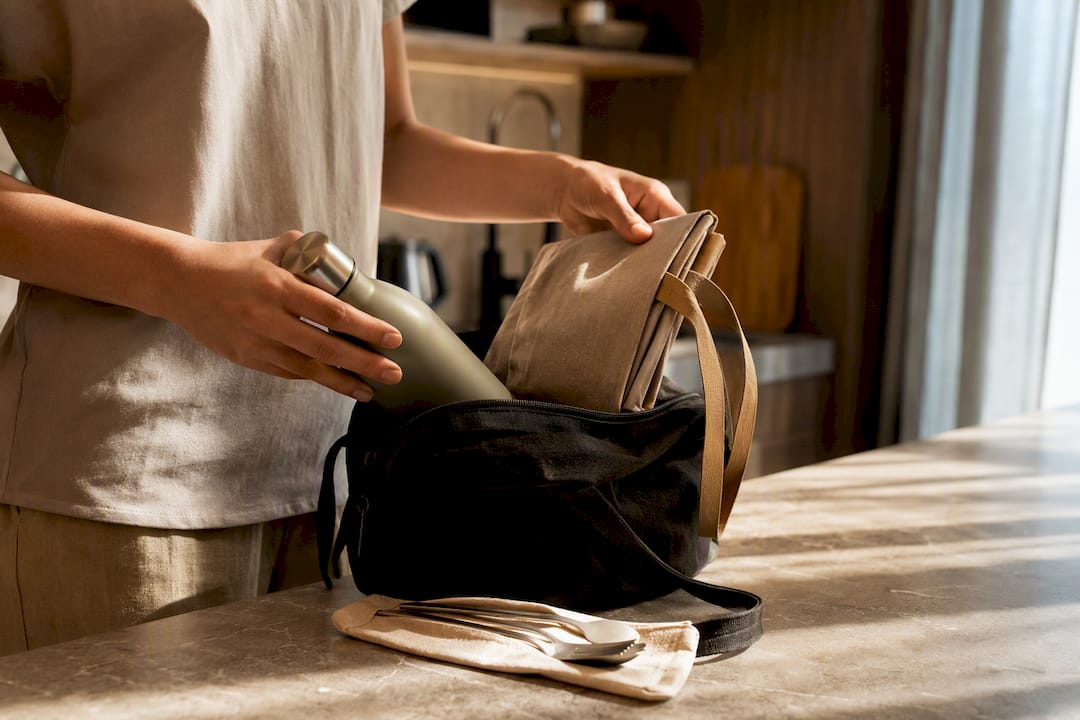
Small habits do most of the heavy lifting on a short trip. Pack light to cut transport fuel use, bring a reusable water bottle (Melbourne's tap water is excellent), pack your own cutlery, and carry reef-safe sunscreen if you're heading to the coast. Refuse single-use plastics wherever a market or café offers an alternative.
Favour markets and social-enterprise cafés over large chains. Queen Victoria Market and inner-suburb farmers' markets put money straight into Victorian producers, which is the same local sourcing hospitality businesses increasingly compete on.
On offsets, be picky. Choose transparent Australian projects, revegetation or habitat restoration schemes with public reporting, over generic international offset bundles. And if flying in, consider staying a few extra days: a longer stay amortises flight emissions across more days of low-carbon activity, which does more for your trip's overall footprint than any single purchase.
Pro Tip: Keep a folding tote in your day bag. It sounds trivial, but it's the single easiest way to avoid picking up a plastic bag at every market stall or bottle shop.
Sustainable travel budgeting advice specific to Melbourne
Sustainable travel in Melbourne doesn't have to cost more, but the spending shifts around rather than shrinks. Public transport is genuinely cheap: a Free Tram Zone day costs nothing, and a Myki-loaded day of trains and trams across the city rarely runs past a modest daily cap. That frees up budget for the parts of a trip that do carry a premium, mainly eco-certified accommodation and small-group regenerative tours, which typically sit above mass-market equivalents because they operate at lower guest volumes and pay fairly for local produce and labour.
A workable split for a multi-day Melbourne trip looks like this: put the bulk of your accommodation budget into one well-chosen eco-certified stay rather than splitting nights across multiple properties, use free or near-free public transport for daily movement, and reserve one higher-cost booking for a certified regenerative tour rather than several cheaper, unverified ones. Apartment-style rooms with kitchens also cut daily food spend meaningfully, since cooking even one meal a day from market produce beats eating out three times.
Timing helps too. Shoulder-season rates (autumn and spring) on certified properties often undercut peak summer pricing by a noticeable margin, while parks and regional day trips are just as accessible outside school holidays. Booking direct with a hotel rather than through a third-party platform also tends to unlock small perks, upgrades or parking inclusions, without adding to your spend.
Seasonal considerations for sustainable travel in Melbourne
Melbourne's weather swings hard across a single day, let alone a season, and that variability actually works in a sustainability-minded traveller's favour if you time things right. Autumn (March to May) and spring (September to November) offer the most reliable conditions for walking tours, cycling and park visits, with mild temperatures that reduce reliance on air-conditioned transport and indoor alternatives.
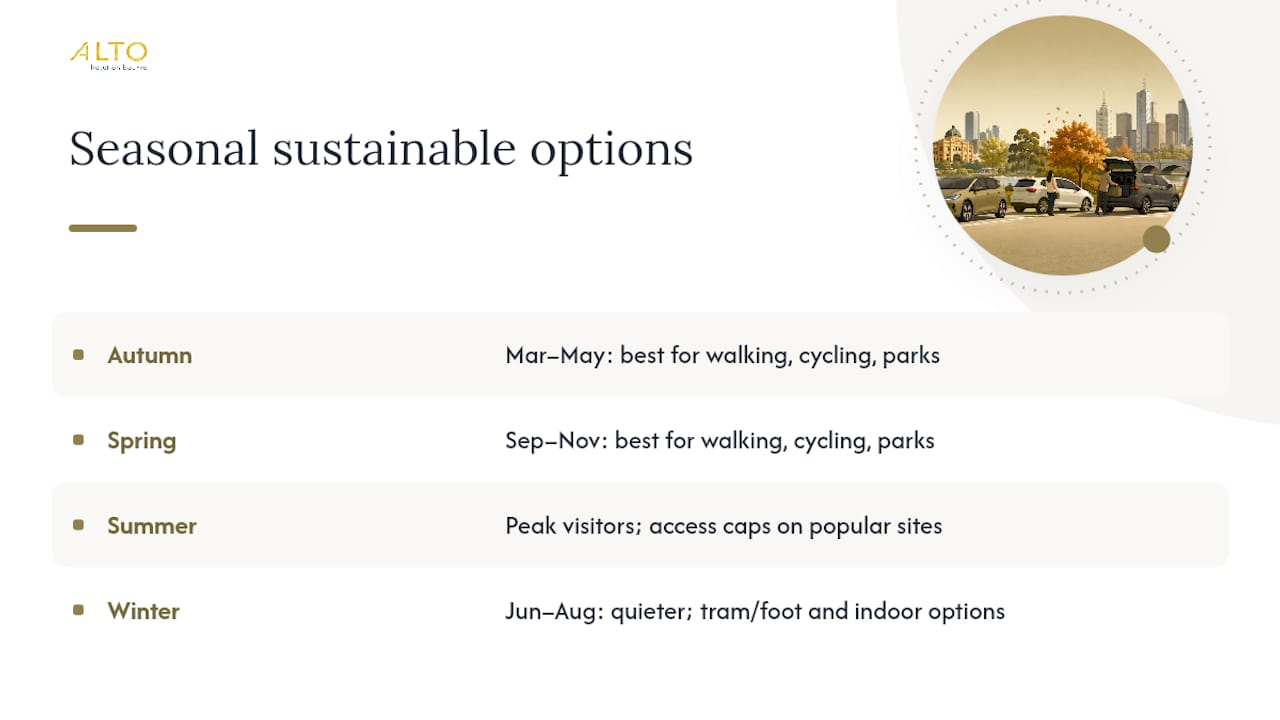
Summer brings peak visitor numbers to spots like Phillip Island and the Mornington Peninsula, which is exactly when managed-access conservation areas tighten their caps. Visiting these places in shoulder season instead spreads pressure more evenly across the year and usually means better access to guided experiences that cap group sizes. Winter (June to August) is quieter still, and while it's not ideal for coastal day trips, it's a strong time for CBD-based, tram-and-foot exploration of galleries, markets and the Botanic Gardens, where indoor and covered options carry the day.
Wildlife-focused trips deserve their own timing logic. Little penguin viewing on Phillip Island runs year-round, but numbers and disturbance risk shift with breeding season, which is another reason to book with an operator that publishes its visitor-management approach rather than one that runs tours on demand regardless of season.
Local community engagement and support opportunities
Tourism only genuinely benefits Melbourne when the money and attention flow to the people who live here, not just the operators marketing to visitors. The simplest lever is spending: choosing Victorian-owned accommodation, independent tour operators and local producers over international chains keeps a larger share of every dollar circulating in the local economy.
Traditional Owner-led experiences are worth actively seeking out. Cultural walks and talks run in partnership with Traditional Owner groups around Melbourne and regional Victoria offer a level of insight into Country that a generic nature tour simply can't match, and booking them directs tourism income to community-led enterprises.
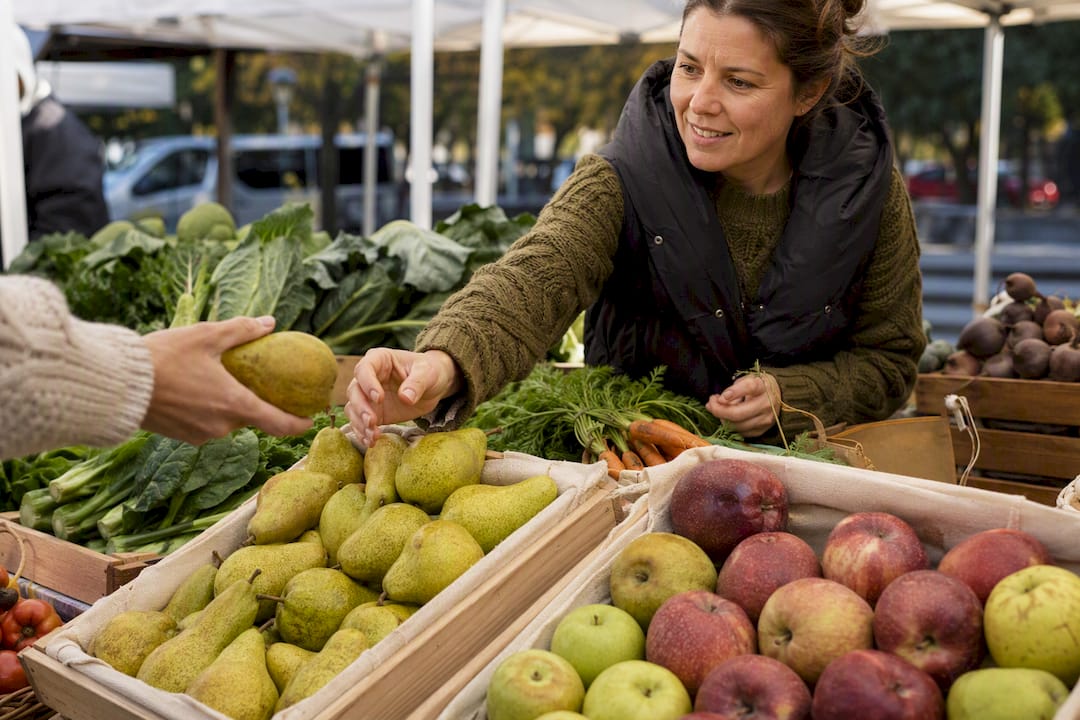
Farmers' markets and social-enterprise cafés extend the same principle to food. Buying direct from a stallholder at a Victorian farmers' market puts money straight into a local producer's pocket, skipping the margin layers of a supermarket supply chain. Many social-enterprise cafés around Melbourne also reinvest profits into local training, employment or community programs, meaning a coffee order does more than sustain a caffeine habit.
Operators that publish specific, named community partnerships, rather than a general statement about "giving back", are the ones actually doing this well. That's the same test worth applying to accommodation and tours: ask who benefits, by name, and how.
A traveller's honest take on Melbourne
Melbourne doesn't need a sustainability makeover. It already has the trams, parks and certified operators most cities are still trying to build. The one habit worth adopting: book a single regenerative experience and an eco-aware boutique stay, then let the tram network do the rest.
— Kamal
Book an eco-aware boutique stay in Melbourne
Alto Hotel on Bourke gives you the local procurement and eco-conscious materials this guide keeps pointing you toward, without asking you to trade away comfort or a CBD location. As one of Melbourne's first environmentally rated hotels, it's built its apartment and studio layouts around in-room kitchens, which cuts down on takeaway packaging and makes cooking with market produce genuinely easy during a stay.
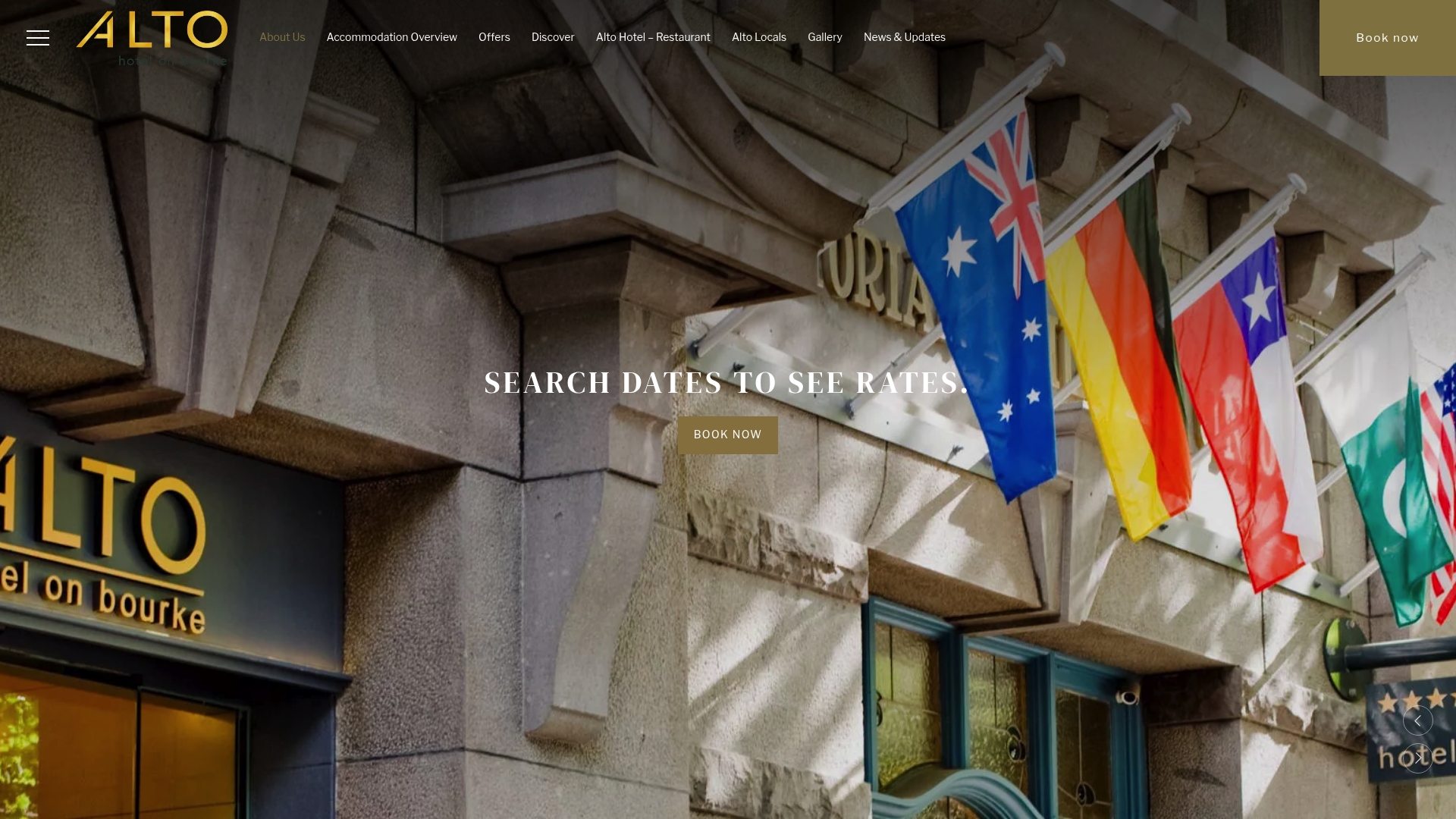
It suits eco-conscious couples wanting a self-contained studio, solo travellers who want a quiet base near the Free Tram Zone, and small families who need the extra space of a two-bedroom apartment. If you're after something simpler, the Studio Queen covers a solo or couple's stay well, while the Petite Queen is a solid entry point for a short CBD stopover. Booking directly through the hotel's own site may provide benefits not available through third-party platforms. Check dates and book your stay directly to lock in those rates.
Sources
- Ecotourism Australia — sustainability and certification
- Wild Adventures Melbourne — regenerative tourism and policies
- ME CABS — green fleet information
- Transport Victoria — mobile apps for public transport
FAQ
What are the major sustainability issues facing Melbourne?
Melbourne's main challenges are managing urban growth without losing green space, cutting transport emissions, and protecting nearby natural areas such as the Mornington Peninsula and Phillip Island from overtourism. The city's response includes expanding tram and bike infrastructure and supporting urban greening programs in the CBD and inner suburbs.
What are some examples of sustainable tourism in Melbourne?
Examples include staying at an environmentally rated hotel such as Alto Hotel on Bourke, booking small-group wildlife tours with certified B-Corp operators like Wild Adventures Melbourne, and using the Free Tram Zone instead of hire cars for CBD travel.
Is Melbourne a sustainable city?
Melbourne has strong foundations for sustainable travel, including extensive public transport, protected urban parks and a growing base of Ecotourism Australia certified and B-Corp operators, though it still faces ongoing pressure from urban growth and visitor numbers at popular natural sites.
How do I verify an operator's sustainability claims in Melbourne?
Check for Ecotourism Australia certification, B-Corp status or Glasgow Declaration signatory status, and ask the operator for published targets, local procurement details and named community partnerships rather than relying on general marketing language.
What's the easiest first step toward sustainable travel in Melbourne?
Book accommodation with genuine eco-credentials, such as Alto Hotel on Bourke, and plan your city travel around the Free Tram Zone and PTV app rather than a hire car.