
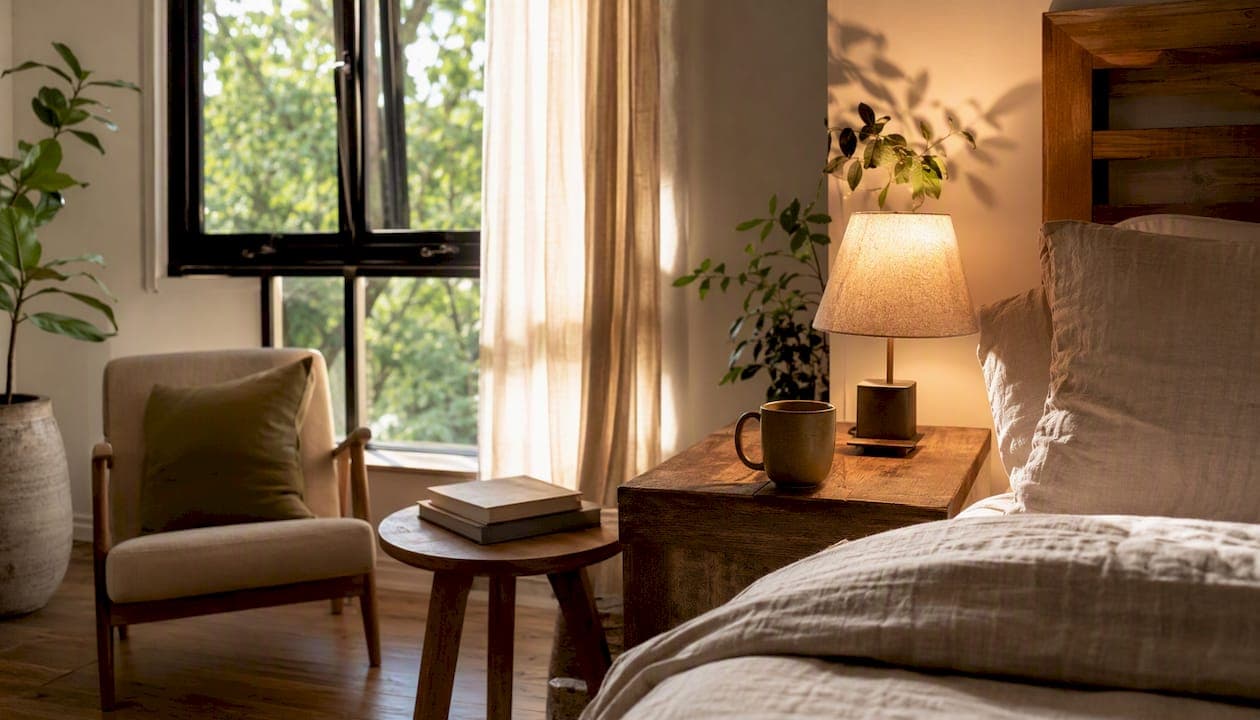
Yes, you can book sustainably designed hotel rooms and apartments in Melbourne CBD right now. The quickest way to confirm a property is genuine: check for visible guest-facing features (refill stations, no single-use plastics, energy controls), look for third-party certification from bodies like EarthCheck or Ecotourism Australia, and ask one direct question at booking about how the property sources food and manages waste. Alto Hotel on Bourke ticks all three. Tourism Australia's Green is Our Gold initiative has pushed the sector from vague marketing claims toward measurable, verifiable operations — which means the gap between a hotel that says it's green and one that actually is has never been easier to spot.
- Check for refill stations, in-room glass bottles, and opt-out housekeeping
- Confirm a recognised third-party certification (EarthCheck, Green Star, Green Key)
- Ask at booking: "Where do you source food, and how do you handle kitchen waste?"
Key takeaways
Sustainably designed hotel rooms in Melbourne CBD are bookable now — Alto Hotel on Bourke is a verified, certified local option with guest-facing features you can confirm before you arrive.
| Point | Details |
|---|---|
| Verify before booking | Check for third-party certification (EarthCheck, Green Star) and ask about food sourcing. |
| Guest-facing features matter | Refill stations, in-room glass bottles, and opt-out housekeeping are the clearest on-site signals. |
| Design improves comfort | Better insulation and efficient climate control produce quieter rooms and cleaner air. |
| Boutique beats generic | Shorter supply chains mean local sourcing is genuine, not token. |
| Alto Hotel on Bourke | A certified Melbourne CBD option with studios, apartments, and a practical booking checklist to guide your stay. |
Table of Contents
- What does sustainable hotel design actually mean for your stay?
- What Alto Hotel on Bourke gets right about guest participation
- Alto Hotel on Bourke: book a verified sustainable stay in Melbourne CBD
- Sources
What does sustainable hotel design actually mean for your stay?
Eco-friendly hotel architecture is not just about solar panels on the roof. The principles that matter to guests come down to three areas: energy efficiency, water management, and sustainable sourcing.
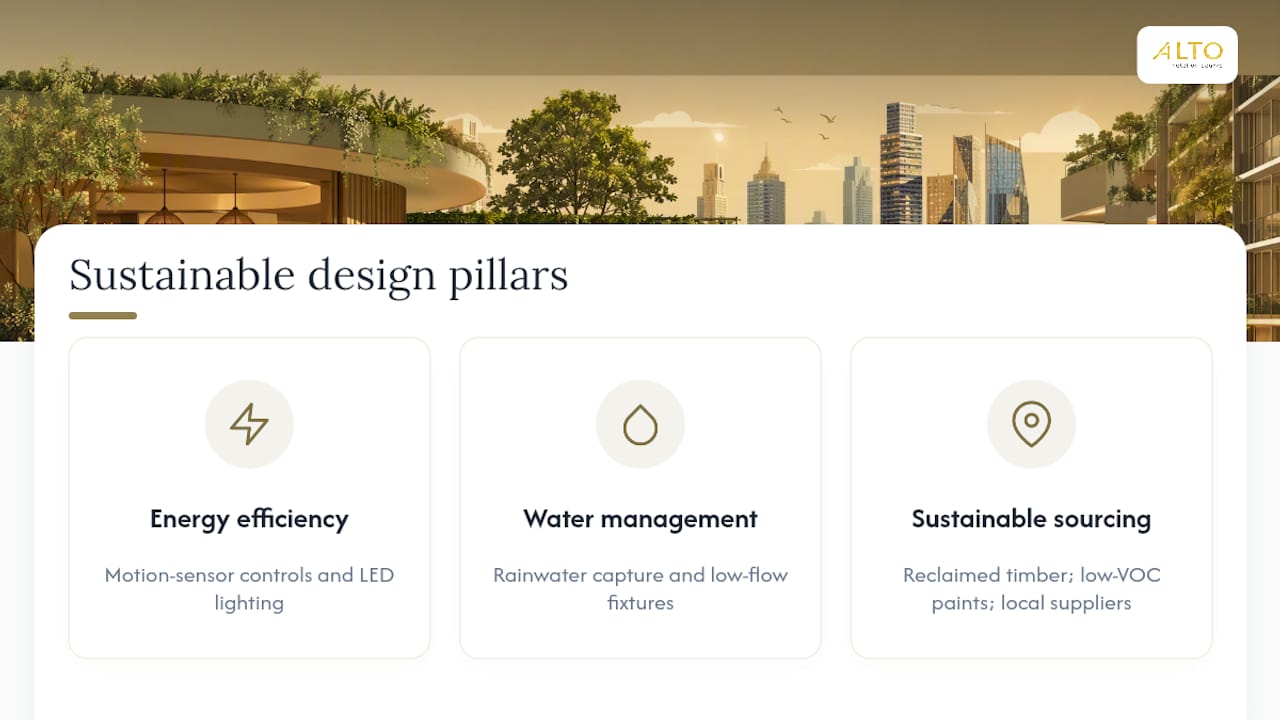
Energy efficiency in practice means motion-sensor climate control that adjusts when you leave the room, double-glazed windows that hold temperature without the air conditioning working overtime, and LED lighting throughout. These systems run quietly in the background. A useful side effect: improved insulation and efficient HVAC control tend to produce noticeably quieter rooms and better air quality.
Water management in heritage buildings often involves capturing rooftop rainwater for toilet flushing, low-flow fixtures, and refill stations that replace single-use plastic bottles. None of this is visible to guests, but the impact is real.
Sustainable sourcing covers two things: the materials used in the building itself (reclaimed timber, low-VOC paints, natural fibres) and the suppliers a hotel chooses for food, amenities, and furnishings. Boutique hotels tend to retain more local economic benefit here than large chains, because their supply chains are shorter and their partnerships with local artisans are genuine rather than token. Local sourcing is one of the clearest signals of a hotel's real sustainability commitment.

What Alto Hotel on Bourke gets right about guest participation
The systems matter, but so does what guests do. At Alto Hotel on Bourke, operators are clear that guest participation turns a stay into a shared effort rather than a passive transaction. Choosing to skip daily housekeeping, using the refill stations instead of buying bottled water, and returning glass in-room bottles for reuse are small actions that compound across hundreds of guests.
The building-level retrofits at Alto Hotel work quietly. Rooftop water storage feeds the toilets, and room-level movement sensors manage climate control — neither interrupts the guest experience, but both deliver meaningful savings in a heritage building where structural changes are constrained. Double glazing keeps street noise out and conditioned air in.
The guest experience benefits are not incidental. Quieter rooms, cleaner air, and furnishings made from natural or reclaimed materials create a noticeably different atmosphere from a standard CBD hotel.
Pro Tip: Bring a reusable water bottle. Alto Hotel provides refill stations and in-room glass bottles, so you will never need a single-use plastic one during your stay.
Alto Hotel on Bourke: book a verified sustainable stay in Melbourne CBD
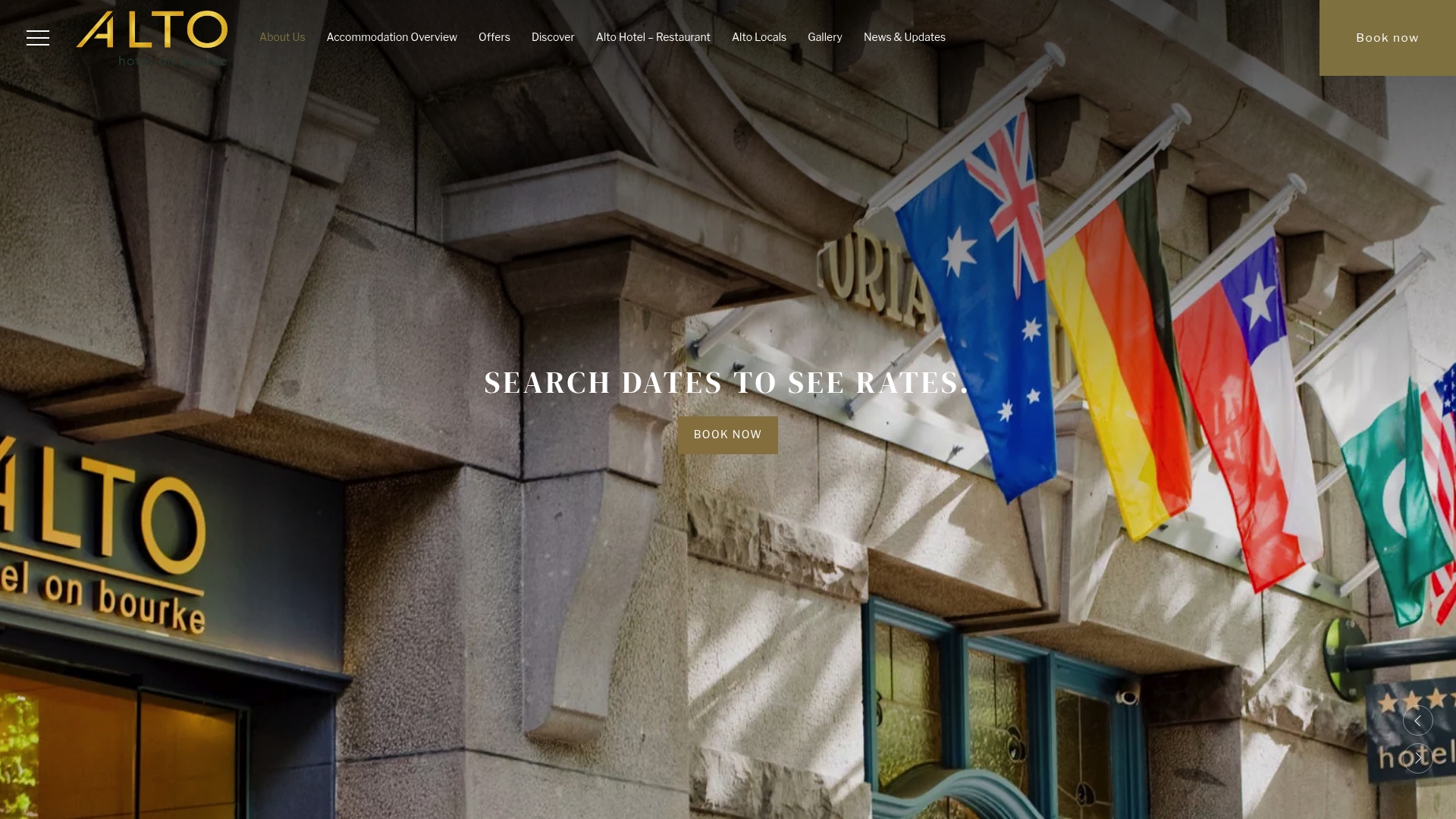
Alto Hotel on Bourke was among the first environmentally rated hotels in Melbourne and holds Hall of Fame recognition in the Victorian tourism sector. It is a practical, bookable answer to the question this guide opens with.
Rooms, studios, and one- and two-bedroom apartments are available, all fitted with in-room kitchen facilities, sustainable materials, and eco-conscious amenities. Studios and apartments suit eco travellers who want to cook with local produce rather than relying on room service. The hotel's partnerships with local artisans mean the furnishings and artwork reflect Melbourne rather than a generic international fit-out.
Features that match the booking checklist:
- Refill stations and in-room glass bottles (no single-use plastic)
- Motion-sensor climate control and energy-saving systems
- Local sourcing for food and amenities
- Opt-out daily housekeeping available on request
- Third-party environmental certification
Book directly at Alto Hotel for the best available rate and exclusive direct-booking offers. At check-in, ask about the housekeeping opt-out and where to find the nearest refill station.
Sources
- Green is Our Gold drives Australia tourism future
- Sustainable stays: peek inside this heritage-listed Melbourne hotel