
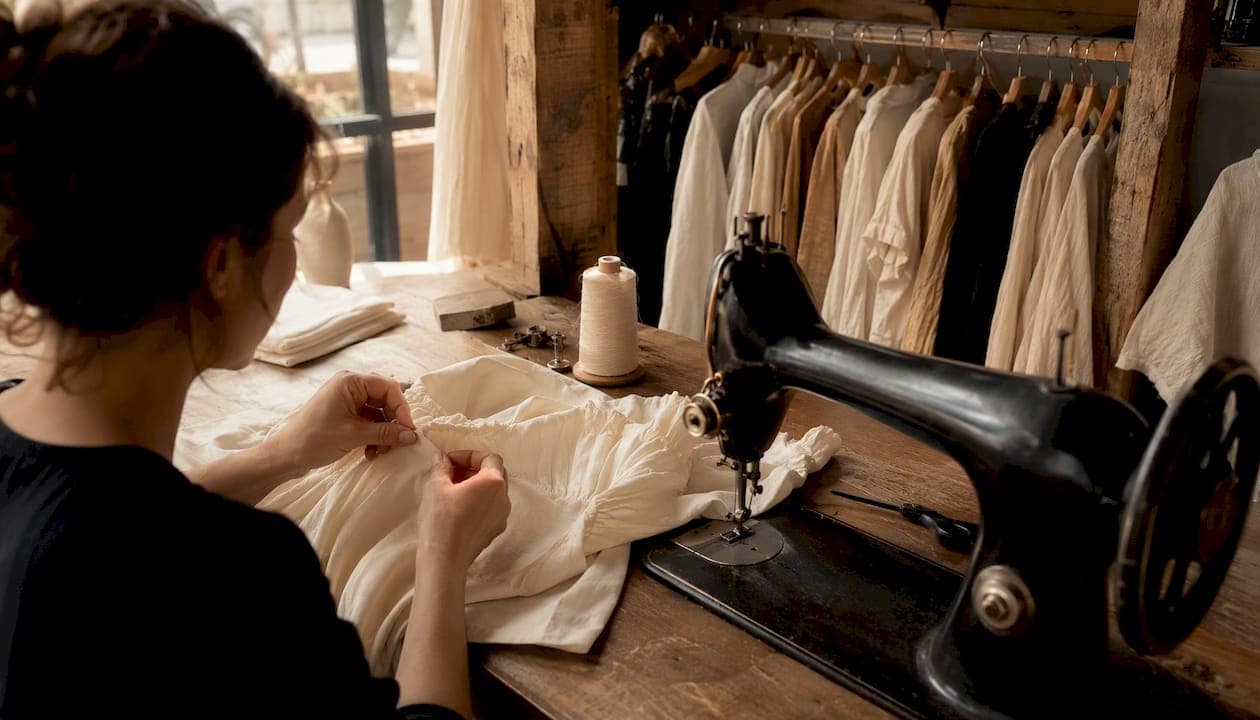
If you have one day to shop sustainably in Melbourne, start with Kuwaii in Fitzroy, A.BCH in Collingwood, and Otto & Spike in East Brunswick. Those three neighbourhoods alone cover made-to-order tailoring, circular-design basics, and heritage knitwear. For visitors wanting to pair the trip with an eco-conscious base, Alto Hotel on Bourke sits in the CBD and puts all three precincts within a short tram or bike ride.
- Kuwaii (Fitzroy): made-in-Melbourne tailoring and footwear, small-batch runs, shopfront open to walk-ins
- A.BCH (Collingwood): circular-design philosophy, natural fibres, transparent supply chain
- Otto & Spike (East Brunswick): Melbourne knitwear made locally since 1969, quality Australian wools
- HoMie (CBD): social-enterprise streetwear that donates profits to young people experiencing homelessness
Visitors can book a stay at Alto Hotel on Bourke to keep their Melbourne shopping trip genuinely low-impact from arrival to departure.
Key takeaways
Melbourne's most credible sustainable fashion labels are made locally, use natural or deadstock fibres, and show you exactly who made the piece and where.
| Point | Details |
|---|---|
| Start in Fitzroy and Collingwood | These two suburbs hold the highest concentration of sustainable labels and vintage stores. |
| Check lead times before you visit | Made-to-order studios commonly run 4–8 week lead times; contact makers before your trip. |
| Prioritise natural fibres and certifications | Look for OEKO-TEX, GOTS, and Ethical Clothing Australia accreditation as independent verification. |
| Expect premium prices for local work | Australian-made denim runs $280–$380; locally made knitwear and tailoring reflects living-wage costs. |
| Altohotel as your base | Alto Hotel on Bourke puts every major shopping precinct within 20 minutes by tram, with verified eco credentials. |
Table of Contents
- Which Melbourne sustainable fashion labels are worth knowing?
- Where to shop sustainably in Melbourne
- How do you tell if a brand is actually sustainable?
- Which materials and certifications matter in Australia?
- Where should visitors base themselves for sustainable shopping?
- What Melbourne's slow-fashion scene actually means
- Altohotel: a low-impact base for your Melbourne shopping trip
- Sources
Which Melbourne sustainable fashion labels are worth knowing?
Melbourne's slow-fashion scene is dense enough that a little curation saves a lot of time. Below are the labels that come up consistently, with a note on what each does best.
Kuwaii
Kuwaii designs and produces tailoring, knitwear, and footwear in Melbourne using natural fibres and small-batch runs. Their Fitzroy shopfront doubles as a studio, so you can see the work up close. Expect to pay $180–$350 for a staple top or blouse, and considerably more for tailored pieces.
A.BCH
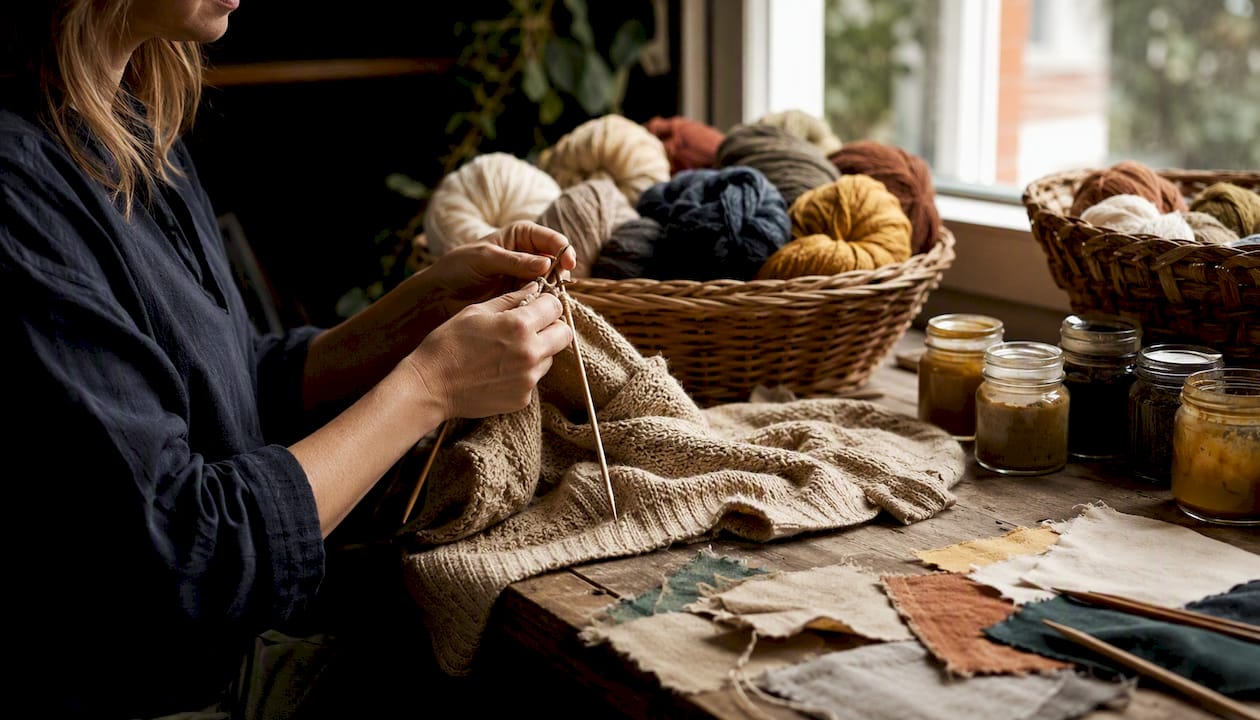
A.BCH builds garments around a circular-design model: every piece is designed to be repaired, returned, or composted at end of life. They use certified organic and natural fibres and publish a detailed material passport for each product. A basic tee is priced in the mid-range category.
ELK
ELK is one of Melbourne's most recognised ethical clothing brands, with a wide accessories and apparel range. They publish annual impact reports and work with certified factories. Prices are mid-range, with scarves and jewellery from around $60 and garments from $150.
HoMie
HoMie operates as a social enterprise: every purchase funds training and employment pathways for young people experiencing homelessness or hardship. Their CBD store stocks streetwear and basics. Hoodies are priced affordably in the entry to mid price range, and the social-impact model is publicly stated and audited.
Ngali
Ngali is an Indigenous-owned label celebrating First Nations design through contemporary womenswear. Founder Andrea Kirby works with Aboriginal and Torres Strait Islander artists to translate art into fabric prints. Pieces are made in small runs and are sold at a premium price point for dresses.
Kalaurie
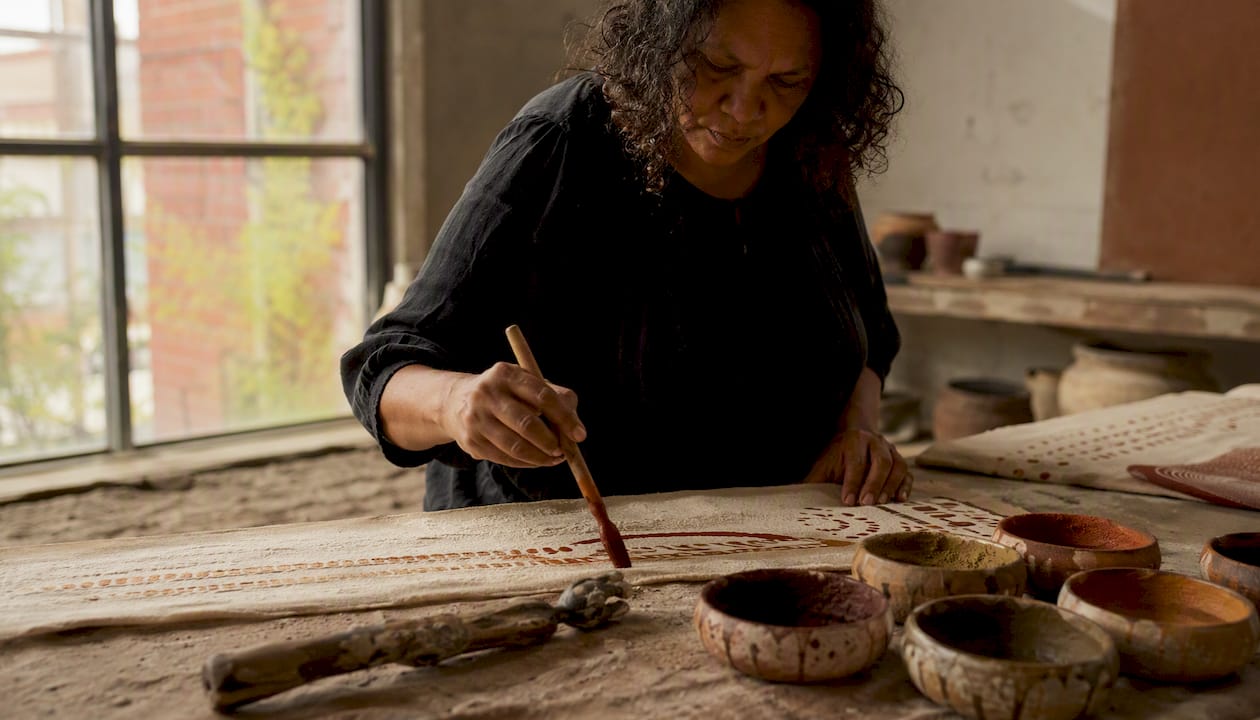
Kalaurie's made-to-order atelier in Northcote uses predominantly deadstock and surplus fabrics, with recycled packaging and locally sourced trims. Because pieces are cut after you order, lead times run 4–8 weeks. A made-to-order dress typically starts around $400.
Caves Collect
Caves Collect produces the majority of its clothing, knitwear, and leather goods in Melbourne, working with a small network of local craftspeople and paying fair wages. Their vegetable-tanned leather goods are a standout. Leather accessories and knitwear carry prices reflecting high-quality craftsmanship.
Two Threads
Two Threads focuses on small runs and upcycled materials, with a dedicated reworked range called Act Two + [Reworked] that reclaims offcuts into limited-edition pieces. Everything is handcrafted in Melbourne. Prices reflect the labour: reworked pieces from $120, new-run garments from $180.
Leonard St
Leonard St makes contemporary womenswear with a focus on natural fibres and local production. Their pieces lean minimal and trans-seasonal, designed to be worn across years rather than seasons. A linen shirt is priced at a premium reflecting quality and local production.
Denimsmith
Denimsmith makes jeans in Melbourne workshops, positioning each pair as ethically crafted with local maker expertise. If you want Australian-made denim, this is the clearest option in the city. Expect to pay a premium price for locally made denim jeans.
Otto & Spike
Otto & Spike has been knitting in East Brunswick since 1969, making it one of Melbourne's longest-running local manufacturers. Their factory produces Australian knitwear using quality wools, and the heritage manufacturing story is genuine rather than marketing copy.
Swensk
Swensk brings Scandinavian-influenced minimalism to Melbourne womenswear, using natural fibres and considered production. Their pieces are clean, versatile, and designed to last. A staple knit or blouse runs $150–$280.
Nicholas Building
The Nicholas Building on Swanston Street is not a single brand but a multi-tenancy maker precinct housing milliners, jewellers, bespoke shoemakers, and textile artists. What's On Melbourne highlights it as a key destination for one-of-a-kind, locally made pieces. Studios are often appointment-only, so check ahead.
Pro Tip: When visiting Nicholas Building, check individual studio pages for opening hours before you go. Many makers work by appointment only, and a cold visit on the wrong day means a locked door.
Where to shop sustainably in Melbourne
Fitzroy and Collingwood
These two inner-north suburbs hold the highest concentration of independent sustainable labels. Fitzroy's Smith Street and Johnston Street corridors mix vintage stores with designer studios. Collingwood's Smith Street extension and nearby laneways are where you'll find labels like A.BCH alongside pre-loved shops and small-batch makers. Both suburbs are walkable from each other and well-served by trams on Smith Street.
Brunswick
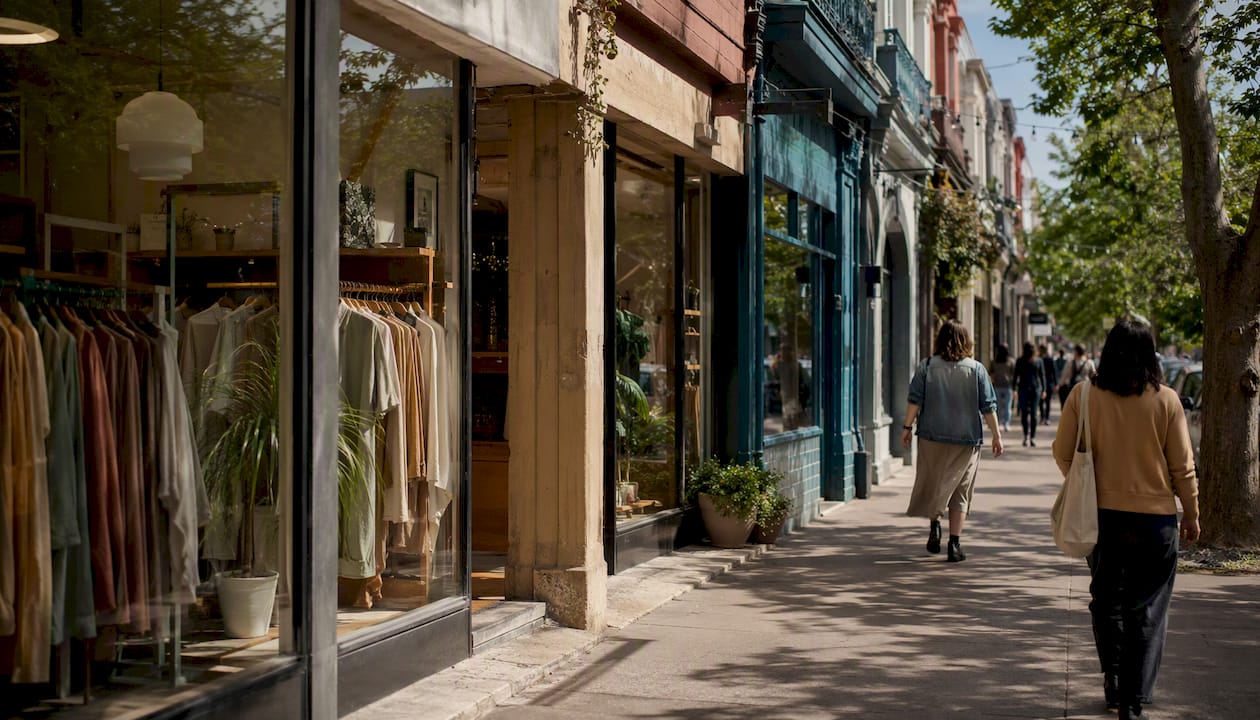
Brunswick is the knitwear and maker heartland. Otto & Spike's East Brunswick factory is here, along with a cluster of textile artists and small-run clothing makers. Sydney Road is the main strip, with vintage shops, fabric stores, and independent boutiques spread across several blocks. It rewards a slow walk rather than a targeted visit.
Queen Victoria Market — Purpose Precinct
The Queen Victoria Market Purpose Precinct brings together socially minded brands and social enterprises under one roof. It is one of the better spots in the city for sustainable souvenirs and eco-friendly gifts with a genuine Melbourne story behind them. Market days vary by season, so check the QVM website before planning your visit.
Nicholas Building, CBD
As noted above, the Nicholas Building on Swanston Street is a working maker precinct. It is the place to find bespoke footwear, handmade millinery, and jewellery made on-site. The building itself is worth visiting for the atmosphere alone — a 1920s heritage building that has housed makers for decades.
Vintage and pre-loved
For pre-loved finds, Fitzroy and Collingwood have the densest cluster of second-hand shops. The Fitzroy Markets (when running) and Camberwell Sunday Market are reliable for quality pre-loved clothing. Pre-loved is arguably the most sustainable option of all: no new production, no new fibres, and often the best prices in the city.
- Fitzroy/Collingwood: independent labels, vintage, A.BCH, Kuwaii
- Brunswick: knitwear, makers, Otto & Spike, fabric stores
- QVM Purpose Precinct: social enterprises, sustainable souvenirs, eco-friendly gifts
- Nicholas Building: bespoke, appointment-only, milliners and shoemakers
- Camberwell Sunday Market: quality pre-loved clothing, no-waste shopping
Pro Tip: Many made-to-order studios in Melbourne list lead times of 4–8 weeks. If you want a custom piece from Kalaurie or a bespoke shoe from Nicholas Building, contact the maker before your trip, not during it.
How do you tell if a brand is actually sustainable?
The clearest signal is transparency, not certification. A brand that shows you its factory, names its makers, and publishes its material sources is more credible than one with a vague "eco-friendly" tag and no supporting detail.
A practical checklist for in-store or online:
- Where is it made? "Designed in Melbourne" is not the same as "made in Melbourne." Ask specifically.
- What is it made from? Natural fibres (linen, organic cotton, wool) and deadstock fabrics are the baseline. Synthetic blends with no recycled content are a flag.
- Who made it? Labels that name their makers, show factory photos, or offer studio visits are showing you something real. Vague "ethical production" claims with no detail are not.
- Is there a repair or take-back policy? Brands serious about longevity offer repair services or accept returns for recycling. A.BCH's material passport and end-of-life return model is the clearest local example.
- Does the price reflect living wages? A locally made linen shirt for $40 is not sustainable. Expect to pay $150–$250 for a locally made staple; $280–$380 for Australian-made denim like Denimsmith's.
Certifications add a layer of independent verification, but they are not the whole story. A small Melbourne maker without GOTS certification may still be more transparent and ethical than a large brand with a certificate and an opaque supply chain.
Pro Tip: Ask the person behind the counter: "Can I book a studio visit or see where this is made?" A brand with nothing to hide will say yes. One that deflects is telling you something.
Which materials and certifications matter in Australia?
Prioritise natural fibres, recognised certifications, and circular practices in that order. Here is what each means in practice.
Natural fibres to look for: linen, organic cotton, wool, and hemp. These biodegrade, tend to last longer than synthetics, and have lower microplastic impact. Metta Melbourne designs trans-seasonal womenswear from OEKO-TEX certified linen, operating from the historic Docklands Cotton Mills in Footscray and using local dye houses with off-cut recycling partnerships — a useful benchmark for what a credible natural-fibre claim looks like.
Certifications worth knowing:
| Certification | What it covers | Why it matters in Australia |
|---|---|---|
| OEKO-TEX certification | Tests finished textiles for harmful substances | Confirms the fabric is safe to wear; widely used by Melbourne makers |
| GOTS (Global Organic Textile Standard) | Organic fibre content plus social criteria across the supply chain | The most rigorous end-to-end standard; look for it on organic cotton pieces |
| Ethical Clothing Australia (ECA) | Accredits Australian brands that pay legal wages to local outworkers | Directly relevant for made-in-Australia claims; verifiable via the ECA register |
| Fairtrade Textile Standard | Fair wages and safe conditions for overseas producers | Useful when a brand sources internationally but claims ethical production |
Circular practices to favour:
- Made-to-order production (Kalaurie, Denimsmith) reduces overstock waste
- Deadstock and surplus fabric use (Kalaurie, Two Threads) keeps material out of landfill
- Upcycled and reworked ranges (Two Threads' Act Two + [Reworked]) give existing fabric a second life
- Take-back and repair services extend garment life beyond the first owner
Australian Stitch takes local production further than most: garments are designed, sampled, knitted, dyed, and sewn within a 15km radius of their Melbourne operations, keeping craft skills and jobs local.
Pro Tip: Cold-wash and air-dry natural-fibre garments rather than machine-drying. It extends the life of linen, wool, and organic cotton significantly, and cuts the energy cost of each wash cycle.
Where should visitors base themselves for sustainable shopping?
Staying in the CBD or inner north puts every major sustainable shopping precinct within 20 minutes by tram or bike. The outer suburbs require a car or a long tram ride, which adds emissions and time to what could otherwise be a low-impact day.
Practical visitor tips:
- Public transport: Myki cards cover trams, trains, and buses. The free City Circle tram covers the CBD loop including the Nicholas Building on Swanston Street.
- Luggage: most boutiques will hold a bag behind the counter if you ask. For larger purchases, many labels ship nationally, so you do not need to carry everything home.
- Made-to-order lead times: if you want a custom piece, contact the maker before you arrive. Lead times of 4–8 weeks are common for bespoke and made-to-order work.
- Studio visits: book in advance. Remuse, for example, makes ethically hand-dyed clothing in Naarm and operates as a studio-first label — a visit is a different experience from standard retail.
Sustainability in Melbourne tourism is increasingly built around exactly this kind of itinerary: a central eco-conscious stay, public transport, and local makers rather than chain retail.
What Melbourne's slow-fashion scene actually means
Melbourne's sustainable fashion culture is not a recent trend layered onto a conventional retail scene. It is rooted in the city's rag-trade history: the factories, pattern-cutters, and knitters who kept local production alive through decades of offshoring pressure. Labels like Otto & Spike, knitting in East Brunswick since 1969, are the living evidence of that continuity.
What distinguishes the current scene is the way contemporary designers have built on that heritage rather than replacing it. A.BCH's circular-design model, Kalaurie's deadstock atelier, Two Threads' reworked range — these are not aesthetic choices dressed up as ethics. They are production decisions made by people who understand the cost of fast fashion and have chosen a different model.
The result is a city where slow, durable pieces are genuinely available at a range of price points, and where the maker is often reachable. That directness — being able to ask who made your jeans and get a real answer — is what separates Melbourne's ethical fashion scene from greenwash.
Altohotel: a low-impact base for your Melbourne shopping trip
Melbourne's sustainable fashion precincts are all within easy reach of the CBD, and that is exactly where Alto Hotel on Bourke sits. As one of Melbourne's first environmentally rated boutique hotels, it is the natural pairing for a shopping trip built around local makers and low-impact choices.
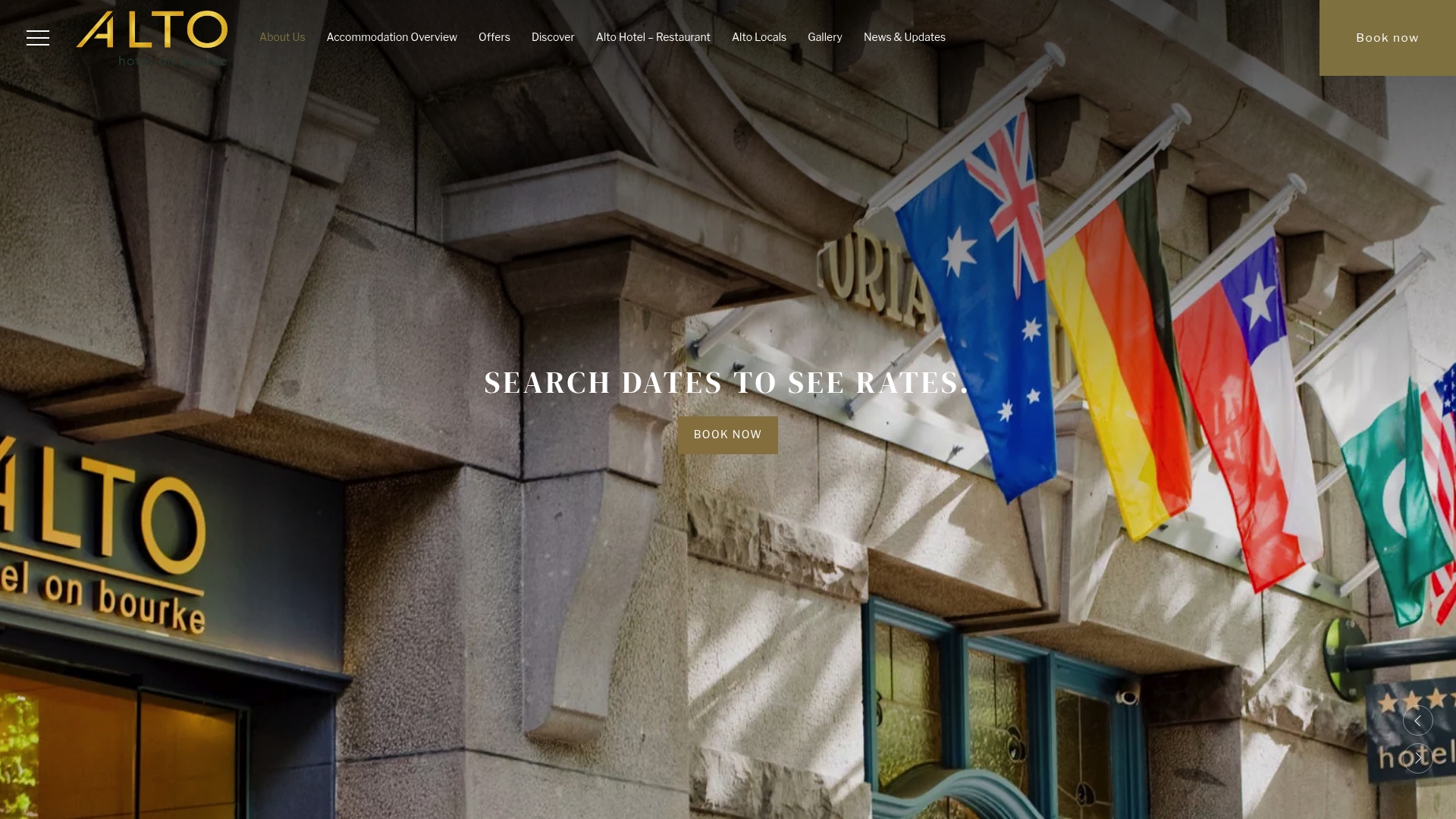
- Central location: trams to Fitzroy, Collingwood, and Brunswick leave from nearby stops, putting every major sustainable precinct under 20 minutes away
- Eco credentials: eco-conscious materials, partnerships with local artisans, and a Hall of Fame recognition in Victorian tourism for its sustainability commitment
- Flexible accommodation: rooms, studios, and one- and two-bedroom apartments with in-room kitchen facilities, so you can stay for a night or a week without changing your habits
Check availability and book direct at Alto Hotel to secure the best rate and keep your Melbourne trip genuinely low-impact from check-in to checkout.
Sources
- Melbourne's best sustainable fashion brands and designers
- Denimsmith – Denim Jeans Made In Melbourne
- Aussie Made Basics – Australian Stitch
- Made in Melbourne
- CAVES COLLECT is an independently owned Australian label
- Two Threads – About
- Melbourne Knitwear – Otto & Spike
- Ethically Hand Dyed Clothing and Textiles – R E M U S E