
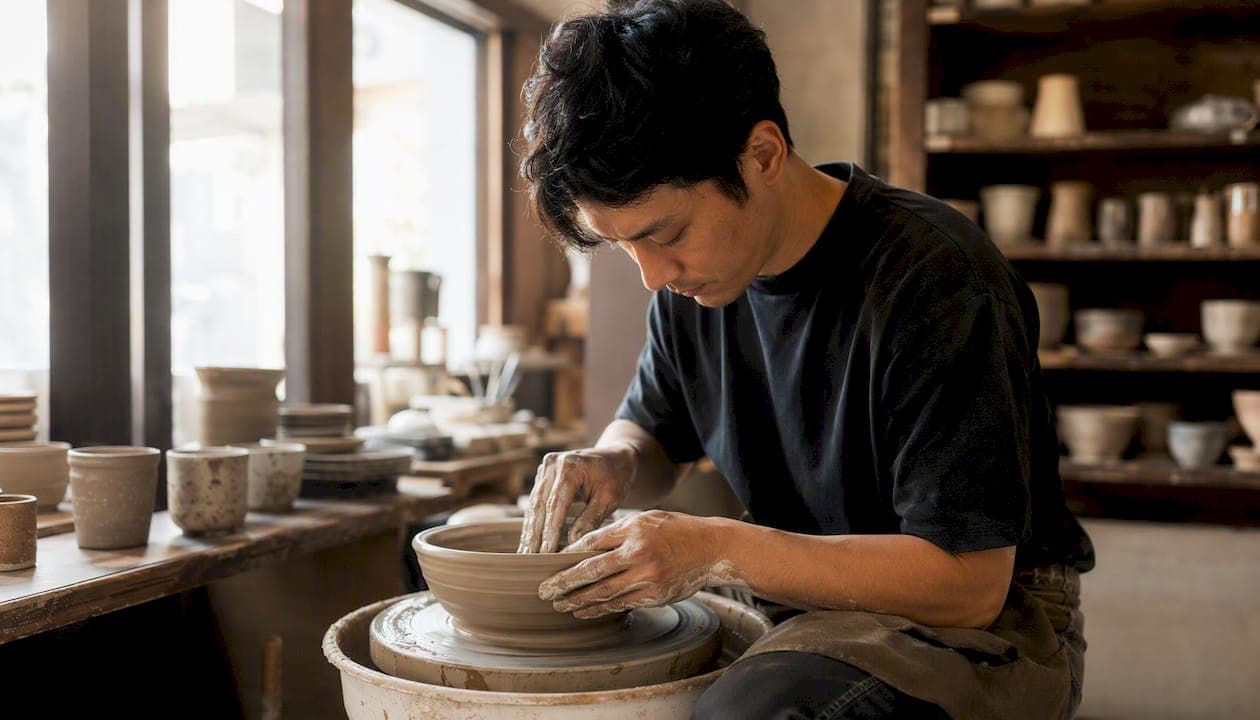
The fastest way to support local artisans while travelling is to buy directly from the maker, ask about materials before you pay, and commission custom pieces when time allows. Skip the airport gift shop and the stall selling identical carved masks in every colour. National Geographic and Forbes have both published detailed guidance on spotting authentic craftsmanship, and even accommodation providers like Alto Hotel now build artisan partnerships into the guest experience because travellers are asking for it. None of this requires a research trip. It requires six habits.
- Buy direct from the maker — cut out the middleman stall and the money goes straight to the person who made the piece.
- Visit workshops and cooperatives — you see the process, ask questions, and confirm the item wasn't shipped in from a factory two provinces away.
- Commission a custom piece — a deposit and a clear brief turn a souvenir into a genuine collaboration with the artisan.
- Favour cooperatives over anonymous stalls — social enterprises typically reinvest in community training and pay more transparently.
- Verify provenance before you buy — ask about materials, technique, and origin; vague answers are a warning sign.
- Promote and follow up after you leave — a tagged photo or a written review sends future buyers straight to that maker's door.
Key Takeaways
Supporting local artisans while travelling works best when you combine direct purchases, provenance checks, and follow-up promotion rather than relying on any single action alone.
| Point | Details |
|---|---|
| Buy direct | Go to the workshop or cooperative itself instead of a resale stall near a landmark. |
| Verify before paying | Ask about materials, maker, and process; vague answers signal mass production. |
| Watch for repetition | Identical stock across several stalls is the clearest tourist-trap warning sign. |
| Commission thoughtfully | Agree on materials, timeline, and deposit in writing before production starts. |
| Choose vetted accommodation | Alto Hotel curates local maker partnerships so guests can access vetted studios directly. |
Table of Contents
- How to support local artisans while travelling by finding the real ones first
- Checking provenance and confirming the maker gets paid fairly
- Buying ethically: fair pay, sustainable materials and cultural respect
- Commissioning a custom piece: what to agree on before you pay a deposit
- Red flags that mean you're standing in a tourist trap
- Alternatives to buying that still put money in artisans' hands
- How Alto Hotel connects guests to vetted local makers
- Why this matters more than most travellers realise
- Book a stay that already supports Melbourne's makers
- Frequently asked questions
- Sources
How to support local artisans while travelling by finding the real ones first
Most tourist strips are curated for volume, not authenticity. The stalls nearest a famous landmark tend to carry the same mass-produced stock, marked up because foot traffic is high and bargaining leverage is low. Genuine makers are usually a short walk, a side street, or a bus ride away.
Artisan markets that run on a rotating stallholder system (rather than fixed daily vendors) are a decent starting point, because local councils or guilds often vet who gets a table. Workshops and open studios are better again. You watch the work happen, which makes it nearly impossible to be sold a factory import as handmade. Cooperatives sit above both: they pool multiple makers under one roof, often with fairer, published pricing. Galleries and museum shops charge a premium but usually carry documented provenance. Vetted online platforms matter mostly for the commission you place mid-trip and have shipped home later.
| Venue type | Authenticity | Direct benefit to maker | Convenience | Shipping |
|---|---|---|---|---|
| Artisan markets | Moderate to high | High | Good | Rare, ask individually |
| Studio/workshop visits | High | Very high | Lower (travel required) | Often available on request |
| Cooperatives | High | High | Good | Often built in |
| Galleries/museum shops | High (documented) | Moderate | Very good | Usually available |
| Vetted online platforms | Variable | Moderate | Excellent | Standard |
Pro Tip: Ask your accommodation's front desk or a local guide where the makers themselves buy their raw materials. Cooperatives and studio clusters tend to sit near supply shops, not near the tourist strip. Hiring a local guide or joining a shopping tour gives you vetted access that a guidebook map simply can't.
Checking provenance and confirming the maker gets paid fairly
Before you hand over cash, run through a short verification process. It takes two minutes and it's the difference between funding a household workshop and funding a wholesale importer.
- Ask who made it. A real maker or a seller with direct ties will name a person, a family, or a specific workshop. Silence or a shrug is a bad sign.
- Ask what it's made from. Genuine sellers can describe the material's source. Someone selling "silver" jewellery who can't tell you where the metal came from is often reselling stock.
- Look for small variations. Handmade items are never perfectly identical. Slight asymmetry in weaving, glaze, or carving is a good sign, not a flaw.
- Check for a provenance label or maker's mark. Cooperatives and reputable galleries usually attach a card naming the artisan and the technique.
- Compare stock across nearby stalls. If five stalls sell the exact same item at the exact same price, that's the mass-produced replica signal, not a coincidence of shared craft tradition.
Pro Tip: Ask "how long did this take you to make?" Genuine artisans answer specifically, often down to the day. Resellers guess, or answer in generalities like "a few weeks."
Buying ethically: fair pay, sustainable materials and cultural respect
Ethical buying isn't just about avoiding fakes. It's about where your money lands and what it's made from.
- Buy direct wherever the option exists, even if it means walking further or paying slightly more.
- Favour cooperatives and social enterprises, which tend to reinvest profit into training and fair wage structures rather than a single reseller's margin.
- Check that materials aren't sourced from endangered species or protected timber. Ask directly. Reputable sellers welcome the question; evasive ones don't.
- Treat a higher price as a possible signal of fair labour, not automatically a tourist markup. A handwoven textile that took three weeks should cost more than a printed imitation, and it usually does.
Cultural respect matters as much as fair pay. Traditional patterns, sacred motifs, and Indigenous designs often carry meaning specific to a community, and reproducing or commissioning a close copy without understanding that context can cross into appropriation. If you're drawn to a particular design, ask the maker what it represents before you buy or request a variation. It's a five-minute conversation that avoids buying something you'll later learn was never meant to leave the community, and hotels that feature Indigenous art in guest spaces generally follow the same protocol: ask, credit, and pay properly.
Commissioning a custom piece: what to agree on before you pay a deposit
Commissioning is the highest-impact purchase you can make, because it's a direct order with no reseller involved. It also carries the most room for miscommunication if you skip the basics.
- Discuss the brief in detail. Bring photos or sketches if language is a barrier. Agree on size, colour, and material upfront.
- Pay a deposit, not the full amount. Most artisans expect 30 to 50 percent upfront, with the balance due on completion or delivery.
- Confirm a realistic timeline. A woven textile might take a week; carved furniture or detailed ceramics can take a month or more. Treat any quoted timeframe as typical, not guaranteed, since materials and weather affect drying and firing times.
- Get the agreement in writing, even if it's a photo of a handwritten note: dimensions, materials, finish, total price, and delivery method.
- Settle shipping before you leave. Many workshops and galleries handle their own packing and international shipping, and asking the maker for their preferred carrier reduces the odds of breakage in transit.
- Ask about customs declarations, particularly for wood, leather, or anything that could resemble a restricted material at the border.
Red flags that mean you're standing in a tourist trap
Trust your eyes before your ears. If a stall's entire inventory looks machine-stamped, identical in every colourway, and priced within a dollar of the stall next to it, you're not looking at craft. You're looking at wholesale stock dressed up as local heritage.
The clearest test is repetition. Walk past six stalls near any major landmark and if the same "hand-carved" figurine appears at all six, in the same finish, it wasn't hand-carved six separate times. Genuine handmade goods carry small inconsistencies. A seller who can't explain how a piece was made, what it's made from, or where the workshop is located is very likely reselling, not representing the artisan.
Perfect uniformity across stalls and vague answers from sellers are the two clearest signals that a piece was mass-produced rather than handmade, according to guidance from National Geographic.
Before buying, ask the price a local would pay, glance at two or three other stalls to check for identical stock, and ask one specific question about materials or process. A market three streets back from a cathedral square, staffed by the actual weaver, will almost always beat the stall directly outside it on both price and authenticity.
Alternatives to buying that still put money in artisans' hands
Buying isn't the only way to support a maker, and sometimes it isn't even the most useful one, especially if you're travelling light or heading somewhere with strict import rules.
- Pay for a workshop session. A half-day weaving or pottery class puts money directly into the studio and gives you a skill instead of a suitcase item.
- Tip for a demonstration, even if you don't buy anything. Many artisans welcome an audience and a small contribution.
- Donate to a studio cooperative if one operates a community fund for training apprentices.
- Book a craft-focused tour or experience through a local guide, which channels a portion of the fee to the makers involved.
- Commission digitally after you leave, if you saw work you loved but weren't ready to buy on the spot. Most workshops that ship internationally can arrange this by email.
- Share and promote the maker once you're home. A tagged photo, a written review, or a mention in a travel blog sends future buyers directly to their door, at zero cost to you.
Each of these has a different scale of impact. A workshop fee or commission delivers immediate income. A share or review delivers slower, compounding value, sometimes worth more over a year than a single purchase. Whichever you choose, follow the studio's stated rules on photography and payment. It's a small courtesy that keeps that door open for the next traveller.
How Alto Hotel connects guests to vetted local makers
Some accommodation providers now build artisan access into the stay itself, rather than leaving it to guesswork. Alto Hotel on Bourke, Melbourne's environmentally rated boutique hotel, curates partnerships with local makers and folds locally sourced pieces into the guest experience, from in-room details to information on where those items came from.
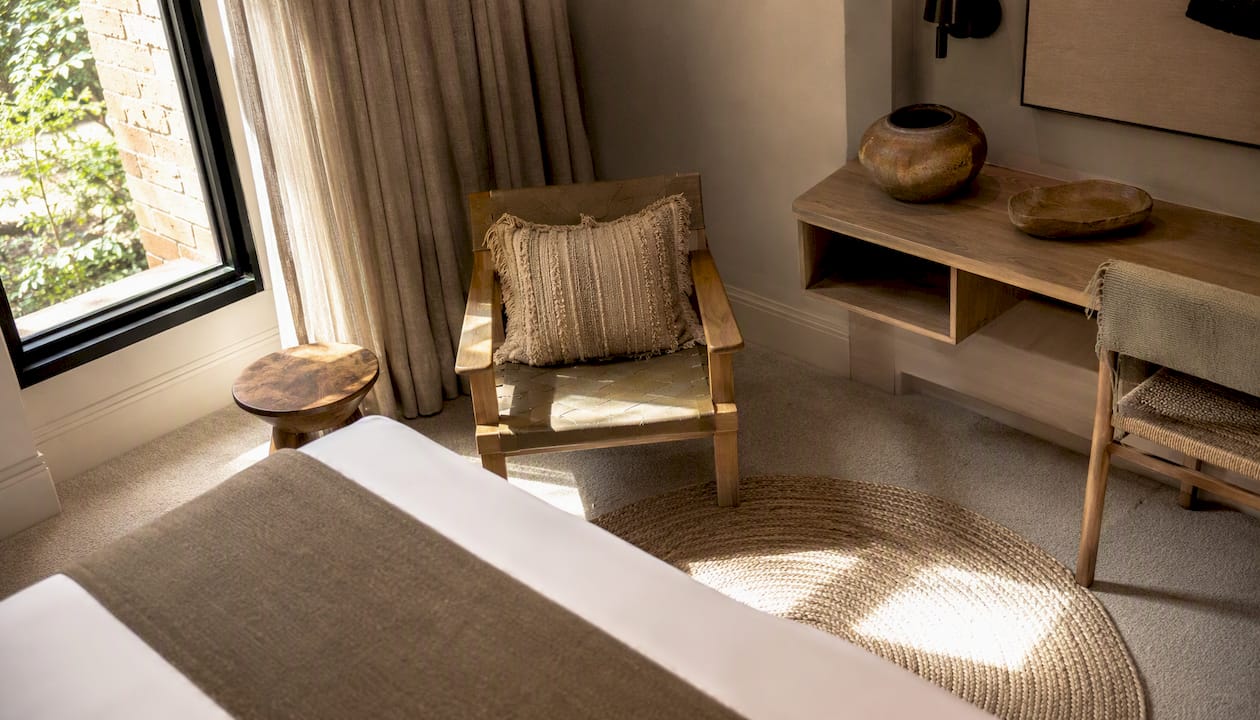
The practical value for a guest is simple: someone has already done the vetting. Rather than guessing which market stall is genuine, guests can ask staff which studios the hotel partners with, what the sourcing arrangement looks like, and how to visit or commission something directly. Alto's approach reflects a broader shift in hospitality, where hotels connect guests to local makers as a standard part of the stay rather than an afterthought.
Pro Tip: When you check in anywhere, ask the front desk directly whether the property has a local artisan partnership. Most that do will happily point you toward the studio, cooperative, or market involved.
Our community partnerships exist to make sure the value of a guest's stay reaches the people actually making Melbourne's craft culture, not just the businesses selling it.
Why this matters more than most travellers realise
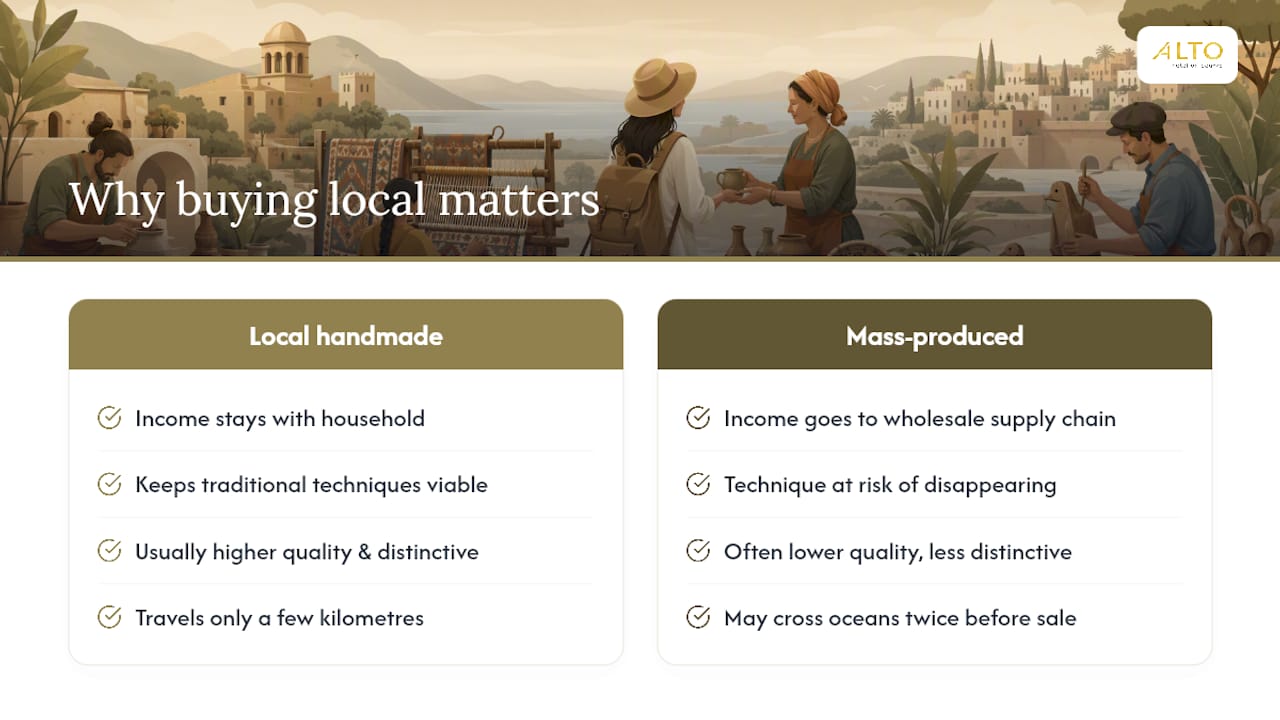
Buying direct from a maker does three things at once: it puts income into a household rather than a wholesale supply chain, it keeps a traditional technique economically viable for the next generation to learn, and it usually gets you a better object. Forbes has noted that ethically sourced souvenirs tend to be higher quality and more distinctive than the alternative, which tracks with basic economics: a maker paid fairly for their time has less incentive to rush a piece to keep costs down.
I think the environmental argument gets underweighted in most guides on this topic. A handmade item bought from a local cooperative usually travels a few kilometres from workshop to your bag. A mass-produced souvenir might have crossed an ocean twice before landing on that stall near the cathedral. The carbon cost difference is real even if nobody puts a number on it at the point of sale.
None of this requires becoming a full-time ethnographer on your next trip. It requires asking two or three questions before you pay, choosing a cooperative over an anonymous stall when both are available, and treating cultural designs with the same care you'd want shown to your own traditions. Preservation of craft skill isn't guaranteed by travellers alone, but travellers who buy thoughtfully are one of the few economic forces actually keeping some of these workshops open.
Book a stay that already supports Melbourne's makers
Alto Hotel gives you a shortcut past the vetting process altogether. Instead of spending your first day in Melbourne working out which market stalls are genuine, you're already staying somewhere that has done that legwork through ongoing local artisan partnerships and curated in-room pieces.
Guests can ask staff directly about the studios and cooperatives Alto works with, and the hotel's eco-rated design means your stay itself is already a lower-impact choice before you've bought anything at all. If you're planning a Melbourne trip built around genuine local craft rather than souvenir-strip shopping, check room and apartment availability at Alto Hotel and start your stay with the vetting already done.
Frequently asked questions
What's the single best way to support local artisans while travelling? Buying directly from the maker, whether at their workshop, a cooperative stall, or through a commission, sends the most money straight to the person who made the piece.
How do I know if a "handmade" item is actually mass-produced? Look for small inconsistencies in the piece and ask the seller specific questions about materials and process. Identical stock across multiple stalls and vague answers are the two clearest warning signs.
Is it rude to ask an artisan how much they were paid or how the pricing works? No. Reputable makers and cooperatives are generally open about pricing and materials because transparency is part of what separates them from resellers.
Can I commission a custom piece if I'm only in a city for a few days? Yes, many workshops can arrange shipping after you leave. Agree on the brief, pay a deposit, and confirm delivery details in writing before you go.
What if I can't buy anything but still want to help? Paying for a workshop session, tipping for a demonstration, or sharing and reviewing the maker's work after your trip all put value back into their business without requiring a purchase.
Sources
- The Easiest Ways To Buy Ethical Souvenirs While Traveling | Forbes
- How To Support Local Artisans And Ship Their Creations Home | WWITW
- 10 Tips for Finding Authentic & Meaningful Travel Souvenirs | Wander‑lush
- Supporting local artisans on your travels: a guide | ASMALLWORLD