

Plenty of hotels claim to offer "local culture," yet deliver nothing more than a framed print of a regional landscape and a minibar stocked with branded snacks. For travellers who want genuine connection, these surface-level gestures fall flat. True examples of culturally immersive hotel stays go much further: they put you inside living communities, fund local livelihoods, and give you experiences no day-tour can replicate. This article walks through what separates authentic cultural lodging options from the performative kind, then takes you inside some of the world's most compelling properties doing it right.
Table of Contents
- Key takeaways
- 1. What authentic culturally immersive hotel stays actually look like
- 2. Maasai Eco Boma Lodge, Tanzania
- 3. Moyseion Matera, Italy
- 4. Nkuringo Eco Collection, Uganda
- 5. How design and storytelling create deeper immersion
- 6. Comparing standout culturally immersive properties
- 7. How to choose the right culturally immersive stay for you
- 8. Why I think "cultural experience" needs to be earned, not just advertised
- Stay culturally connected in Melbourne with Altohotel
- FAQ
Key takeaways
| Point | Details |
|---|---|
| Community ownership signals authenticity | Lodges run by local communities with transparent revenue sharing offer genuine cultural immersion. |
| Participation beats observation | The best culturally immersive stays put guests inside rituals, crafts, and daily life, not just watching from a distance. |
| Design and storytelling deepen the experience | Hotels using adaptive reuse and heritage narrative create lasting emotional connection to place. |
| Transparency is your best filter | Look for properties that publicly disclose how guest fees support local programmes. |
| Match your immersion level to your travel style | Some stays are highly participatory; others are reflective and atmosphere-driven. Choose based on what you want from the experience. |
1. What authentic culturally immersive hotel stays actually look like
The industry term for this category is community-based tourism or experiential lodging, though "culturally immersive hotel stays" is how most travellers search for it. Understanding the distinction matters because it helps you ask the right questions before booking.
Genuinely immersive stays share a few clear markers. The first is community involvement: not just hiring local staff, but building an ownership model where the community holds equity or decision-making power. The second is active guest participation in workshops, rituals, or daily tasks rather than passive observation from behind a roped-off viewing area.
The third marker is financial transparency. Properties that disclose exactly how guest fees flow to community programmes give you a reliable way to verify their claims. A hotel that says it "supports the local community" without specifics is doing marketing. One that publishes a revenue breakdown is making a verifiable commitment.
Pro Tip: Ask the hotel directly: "What percentage of your revenues go to local initiatives, and how is that reported?" If they can't answer, treat that as a red flag.
Sustainability and cultural respect also go hand in hand. Lodges that work alongside conservation programmes treat the natural environment as part of cultural heritage, not a backdrop.
2. Maasai Eco Boma Lodge, Tanzania
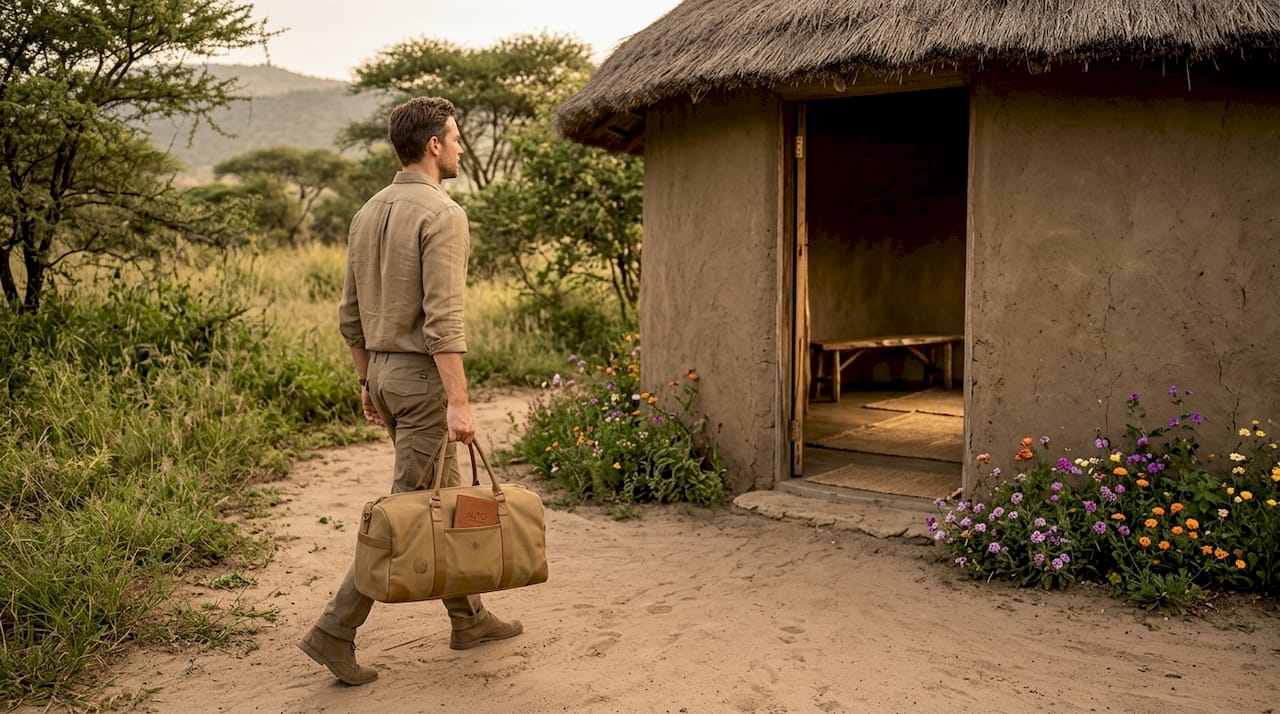
This property is one of the clearest examples of what community-owned cultural lodging looks like when executed with full integrity. Built in 2020 in Tanzania, Maasai Eco Boma Lodge is owned and operated by the Maasai community, with 99% Maasai staff and a detailed revenue allocation: 30% to education, 29% to village programmes, and 23% to activities and meals.
Guests sleep in traditional bomas and are invited into daily Maasai life rather than watching a staged performance of it. Activities include beadwork alongside community women, cattle herding, firemaking, and storytelling with elders. These are not curated shows. They are the actual rhythm of Maasai life, opened to respectful visitors.
The accommodation itself is simple by design. Mud-walled structures with thatched roofing place you in the physical reality of the community. The contrast with resort-style hotels is deliberate and powerful.
3. Moyseion Matera, Italy
Opened in 2024 in Matera, a UNESCO-listed city in southern Italy's Basilicata region, Moyseion Matera operates on a concept it calls "poetic archaeology." Guests stay in one of 16 reconstructed cave dwellings, each rebuilt to reflect the ancient Sassi settlements that have made Matera famous.
What makes this property extraordinary is not just the architecture. The experience is structured around daily rituals rooted in ancient Greek traditions, with archaeology and performance combined to create sustained cultural engagement. You are not visiting a museum. You are living inside one that has been thoughtfully reanimated.
Guests participate in dawn rituals, communal meals prepared with local ingredients, and guided reflections on the history of the cave culture. It is one of the more intellectually immersive stays available in Europe, and it appeals to travellers who want contemplation alongside discovery.
Pro Tip: Moyseion Matera suits travellers who value slow, reflective experiences. If you prefer high-energy participation, look at community lodges in Africa or Latin America where activities are more physically engaging.
4. Nkuringo Eco Collection, Uganda
Located near Bwindi Impenetrable Forest in Uganda, this collection of eco-lodges operates one of the most transparent community contribution models in African tourism. Every guest pays $10 per night directly into the Gorilla Junction Foundation, which funds local tailoring, crafts training, hospitality skills education, and conservation-linked projects.
The cultural immersion here is woven into the conservation experience. Guests visit neighbouring communities, participate in craft workshops, and learn about the relationship between the local Bakiga and Bafumbira peoples and the forest ecosystem. The $10 fee is not a charity add-on. It is built into the lodge's operational design, which means cultural programming runs year-round regardless of seasonal occupancy fluctuations.
This model addresses one of the most common failures in community tourism: ad hoc activities that only happen when enough guests book them.
5. How design and storytelling create deeper immersion
Architecture does more than shelter guests. At its best, it places them inside a narrative. Hotels that reinterpret heritage buildings through adaptive reuse become cultural anchors for both travellers and the communities around them.
Consider what happens when a converted Javanese merchant house in Yogyakarta opens its original courtyard for batik workshops, or when a riad in Fez structures its entire spatial flow around traditional Moroccan hospitality rituals. The building itself becomes the teacher.
Several elements distinguish hotels that use design intentionally for cultural engagement:
- Local materials and craft: Walls, textiles, and furniture sourced from regional artisans tell a place-based story before a guest speaks to anyone.
- Communal spaces designed for gathering: A shared kitchen, courtyard, or fire circle invites interaction that a corridor of private rooms does not.
- Interpretive layers: Artwork, objects, and signage that explain cultural context rather than simply decorating.
- Sensory atmosphere: Scent, sound, and light curated to reflect local traditions rather than generic luxury.
The best boutique hotels reflect local culture by treating their physical space as an extension of the community's story, not just a place to sleep.
6. Comparing standout culturally immersive properties
Here is a direct comparison of the three featured properties across the factors that matter most to culturally engaged travellers:
| Hotel | Location | Community model | Key guest activities | Community contribution |
|---|---|---|---|---|
| Maasai Eco Boma Lodge | Tanzania | Community-owned, 99% local staff | Beadwork, herding, storytelling | 82% of revenue to community |
| Moyseion Matera | Italy | Heritage institution | Rituals, communal meals, archaeology | Cultural preservation through operation |
| Nkuringo Eco Collection | Uganda | Foundation-linked eco-lodge | Crafts, conservation, community visits | $10 per guest per night |
Each property suits a different travel personality. Maasai Eco Boma Lodge is for travellers who want full lifestyle immersion. Moyseion Matera draws those drawn to history, ritual, and contemplation. Nkuringo appeals to anyone who wants to combine wildlife encounters with genuine community connection.
Pro Tip: Cross-reference a property's reviews specifically for mentions of staff interactions and unscripted moments. Those are far more telling than polished website copy.
7. How to choose the right culturally immersive stay for you
Before booking, it is worth getting specific about what you actually want from the experience. "Cultural immersion" covers a wide range of stays, from highly participatory village lodges to atmospheric heritage hotels where the building itself does most of the storytelling.
Here are the most useful questions to guide your decision:
- What level of participation do you want? Some travellers want to be inside the daily life of a community. Others prefer contemplative engagement with history and design. Neither is wrong; they are just different products.
- Does the property disclose its community impact? Transparency about where money goes is your most reliable authenticity signal.
- Is cultural programming consistent or seasonal? Programmes built into the operational model (like Nkuringo's foundation fee) are far more reliable than optional add-ons.
- Who owns and staffs the property? Community ownership versus a third-party operator claiming community affiliation are very different things. Ask the question directly.
- What do recent guest reviews say about unscripted interactions? The best feedback mentions conversations with staff, unexpected invitations, and moments that felt genuinely unplanned.
You can explore city culture from boutique accommodation in urban settings too. Not every immersive stay requires remote travel. Melbourne, for instance, has properties deeply connected to local arts communities, First Nations culture, and neighbourhood food scenes that offer their own form of genuine engagement.
8. Why I think "cultural experience" needs to be earned, not just advertised
I've visited properties on four continents that market themselves as culturally immersive. The gap between the brochure and the reality is often wider than any guest expects.
What I've found is that the most memorable stays share one quality that no marketing team can manufacture: the staff were genuinely proud of what they were sharing. At Maasai Eco Boma Lodge, a young woman who taught me how to make beaded jewellery was not performing for tourists. She was teaching a skill she uses every day, and that came through completely.
The staged version looks almost identical from a distance. You get a local in traditional dress, an activity, a souvenir. But there is no real exchange, and you leave knowing you've been catered to rather than welcomed.
My practical lesson from years of travel writing: look past the images on the website and read the staff reviews on booking platforms. Guests who feel genuinely welcomed always mention specific people by name. That is the detail that reveals whether a property has built real relationships or just a set.
Authentic immersion enriches both parties. The traveller leaves changed. The community gains something beyond revenue. That mutual benefit is what makes the benefits of staying in boutique hotels so distinct from a standard hotel stay.
— Kamal
Stay culturally connected in Melbourne with Altohotel
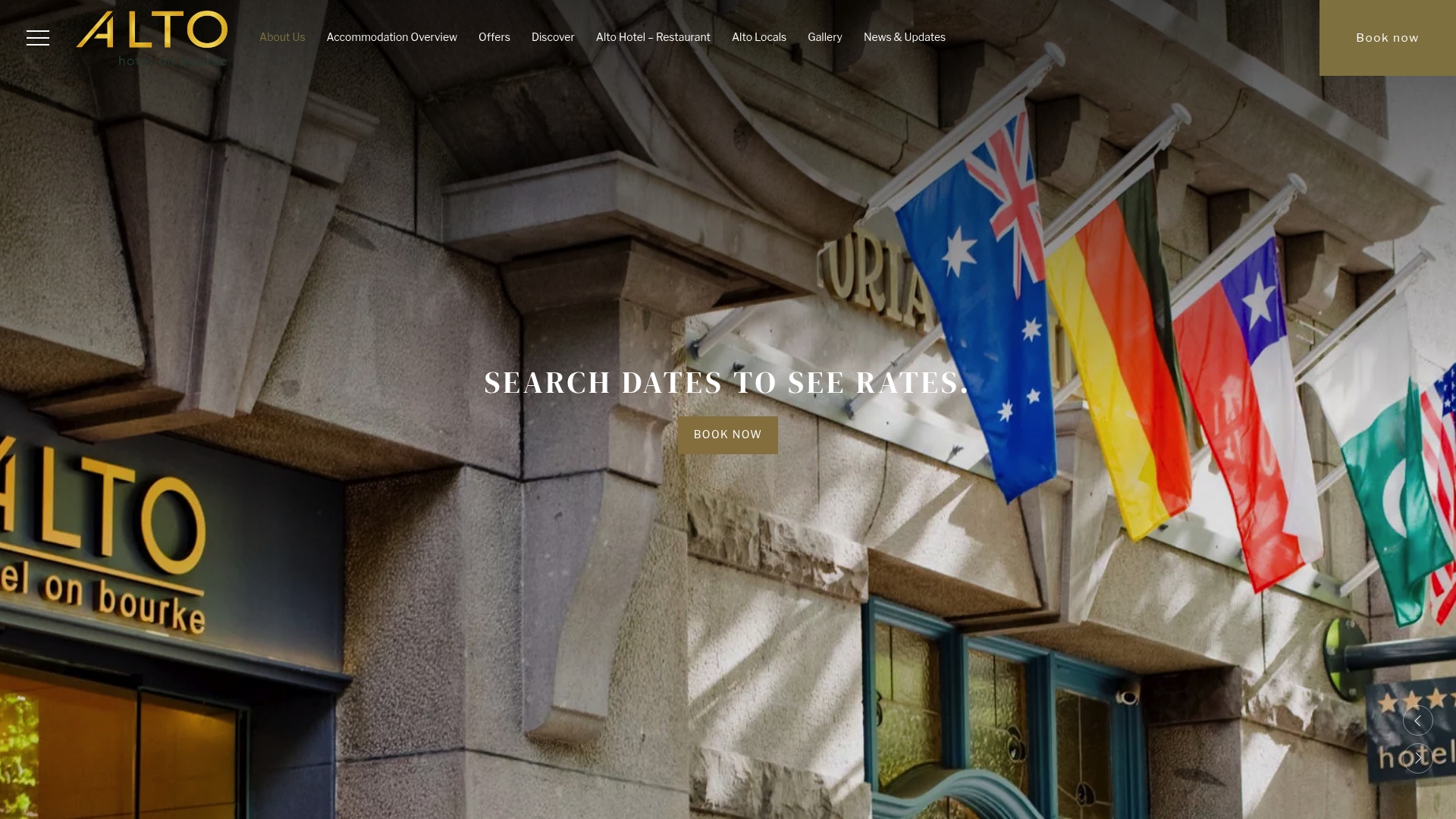
If your travels bring you to Melbourne, Altohotel offers a culturally mindful base that reflects the city's creative and community-oriented character. As one of Melbourne's first environmentally rated boutique hotels, Altohotel partners with local artisans and organisations to connect guests with the city's culture in a meaningful way.
Whether you prefer a 1-bedroom spa apartment, a spacious 2-bedroom deluxe apartment, or a studio room option, each stay is designed with ecological awareness and local character at its core. Altohotel is the kind of place that takes authenticity seriously, because genuinely good travel deserves genuinely thoughtful accommodation.
FAQ
What is a culturally immersive hotel experience?
A culturally immersive hotel experience goes beyond themed décor to place guests inside the living culture of a destination through participatory activities, community interaction, and locally owned or operated accommodation. The best examples involve genuine community ownership, transparent impact reporting, and programming built around real traditions rather than staged performances.
How do I spot a genuinely immersive stay versus a themed one?
Look for transparent revenue sharing with local communities, majority local staff, and guest activities that form part of actual community life rather than scheduled tourist performances. Community-based lodges that disclose their financial impact are far more reliable than those making general claims about supporting locals.
Are culturally immersive stays more expensive than standard hotels?
Not necessarily. Properties like Nkuringo Eco Collection in Uganda build community contributions into a modest nightly fee structure, while some community-owned lodges in Africa and Asia price competitively with mid-range hotels. Cost varies by region and accommodation type, but immersive stays are not inherently luxury products.
Can I find culturally immersive accommodation in cities?
Yes. Urban boutique hotels connected to local arts communities, First Nations culture, or neighbourhood craft scenes offer city-based immersion. The key is looking for properties with genuine community partnerships rather than culturally themed décor applied to a standard hotel format.
What should I ask a hotel before booking for cultural immersion?
Ask what percentage of revenue goes to local initiatives, who owns and operates the property, and whether cultural programming runs year-round or only on request. These three questions will quickly separate properties with genuine community engagement from those using culture as a marketing layer.