
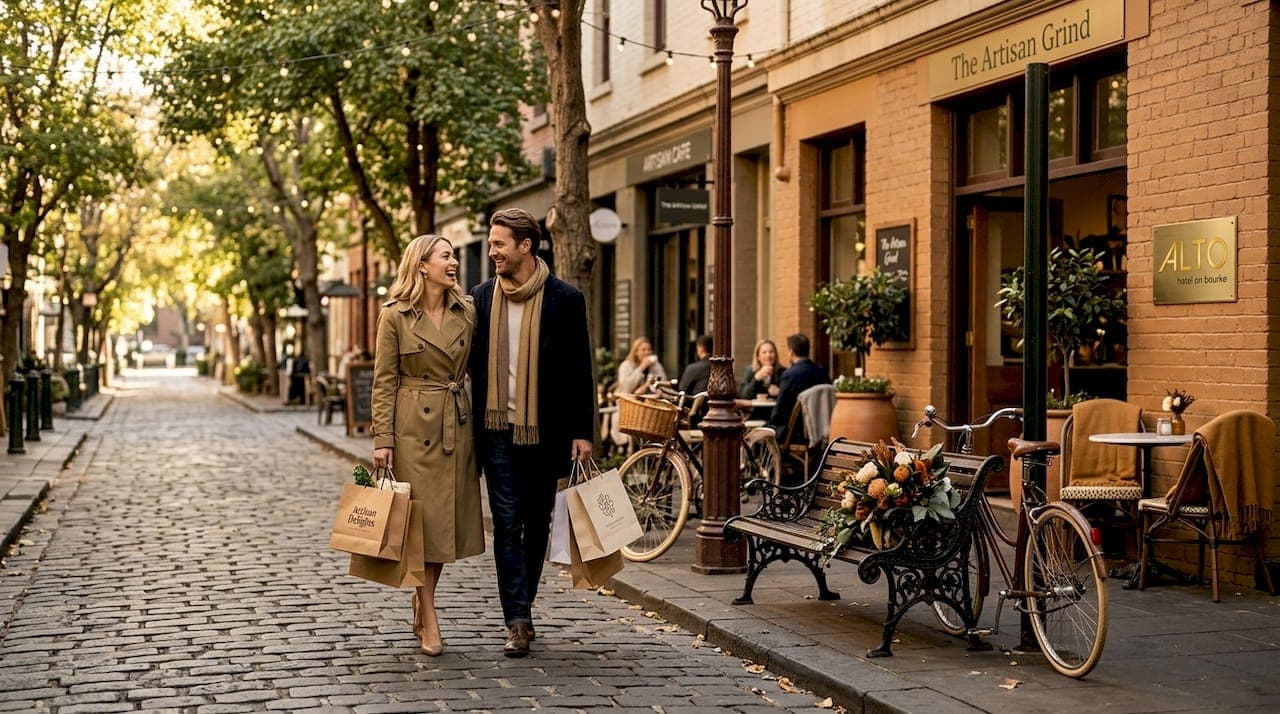
Local hidden gems near boutique hotels are the under-the-radar spots, trails, eateries, and cultural spaces that sit within easy reach of your accommodation but rarely appear on mainstream travel lists. The Michelin Guide frames these as neighbourhood-specific experiences that shape authentic travel far beyond the main tourist hubs. For travellers who choose boutique stays for their character and community connection, these offbeat experiences near boutique hotels are not a bonus. They are the entire point of the trip.
1. What makes a spot a genuine local hidden gem?
The term "hidden gem" is used loosely in travel writing, but the recognised industry standard is micro-destination travel: purposeful visits to small-scale, under-promoted places that rely on the existing local ecosystem rather than manufactured tourist appeal. True hidden gems are small and underpromoted, drawing value from daily local life rather than heavy marketing. That distinction matters because it separates a genuinely rewarding find from a rebranded tourist trap.
Four practical criteria separate real hidden gems from the rest. First, the spot must be within a convenient radius. Second, it must reflect authentic local culture rather than a curated version of it. Third, it should offer an experience that rewards curiosity rather than passive consumption. Fourth, it should leave a light footprint, either through its own sustainable practices or by naturally encouraging low-impact visitor behaviour.
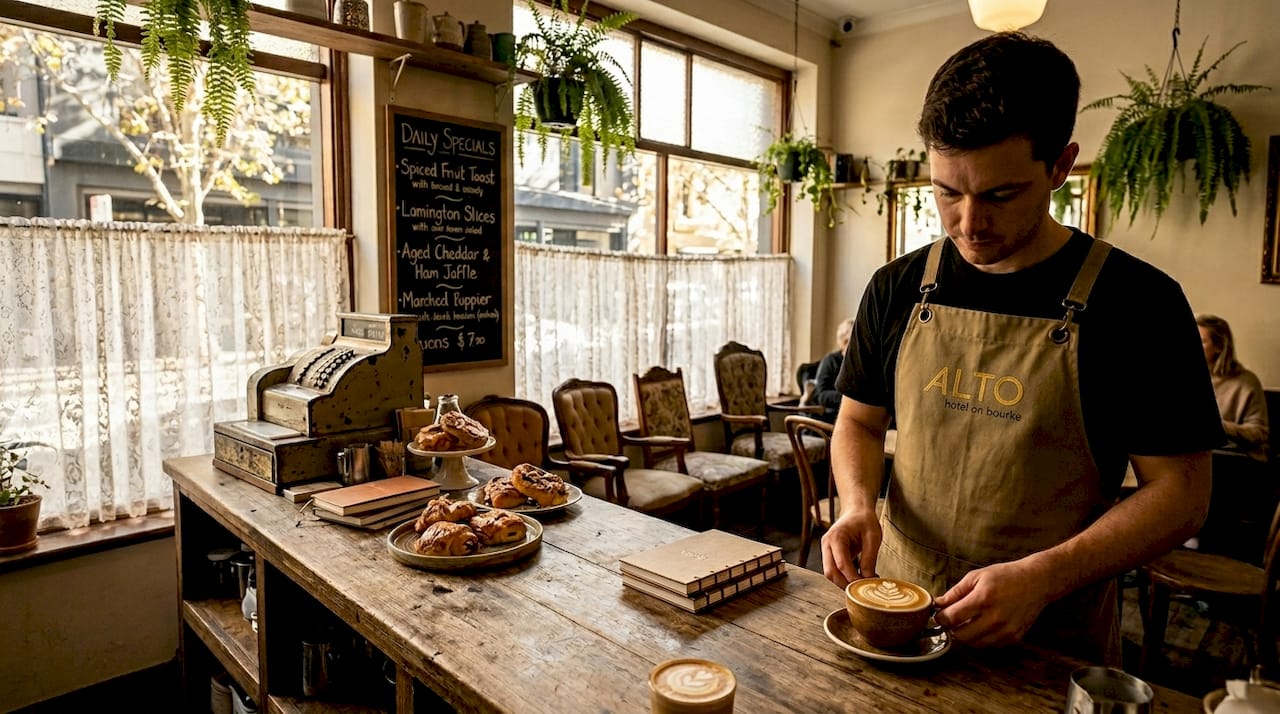
Pro Tip: Before you arrive, ask your boutique hotel's front desk for one recommendation they give to friends, not guests. That single question consistently surfaces the best local dining gems near boutiques and neighbourhood secrets that never appear online.
2. Criteria for finding the best local spots near hotels
Proximity is the first filter. Gangneung's hidden gems cluster within a 12km radius from the station, with taxi fares capped below 12,000 won, and that geographic discipline is what makes the itinerary coherent rather than exhausting. Applying a similar radius or a fixed transport budget to any destination keeps travel time low and clusters experiences for genuine local immersion.
Cultural integration is the second filter. The best spots connect you to how local people actually live, eat, and celebrate. Community-run markets, neighbourhood theatres, and family-owned restaurants all score higher than polished visitor centres. Eco-conscious credentials are the third filter. Walking and cycling trails, Green Key certified venues, and community cultural spaces all signal that a place is built to last rather than built to impress. Earthplorar's 2026 sustainable travel guide recommends choosing Green Key certified hotels and engaging local cultural operators as the baseline for responsible exploration.
Experience quality over tourist popularity is the fourth and most subjective filter. A spot that draws 20 regulars and one curious traveller per week will almost always deliver more than a spot that draws 2,000 visitors per day. Size and intimacy are proxies for authenticity.
3. Top hidden gem neighbourhoods near boutique hotels worldwide
The following examples show how these criteria play out in practice across very different destinations.
-
Radio Hotel, Washington Heights, New York. The Michelin Guide highlights Radio Hotel for its location near the Met Cloisters, Fort Tryon Park, and a dense strip of Dominican eateries that most Manhattan visitors never reach. The neighbourhood itself is the attraction, and the hotel's affordable rates make it accessible without sacrificing character.
-
House of Mi-Rin, Yea, Victoria, Australia. This 51-acre Korean-inspired farm retreat integrates farm-to-table dining, house-made fermented drinks, and cultural programming directly into the stay. Stays start at $1,588 per night including meals, which reflects the depth of the on-site experience. The surrounding Yea region adds farmers' markets, local wineries, and river walks within a short drive.
-
Hotel Bois Joli, Terre-de-Haut, Les Saintes, Caribbean. Caribbean Journal describes Hotel Bois Joli as sitting beside one of the world's most beautiful bays with almost no tourist infrastructure around it. Guests access Fort Napoleon, protected beaches, traditional saintois sailboat outings, and village markets on foot. The absence of mass tourism is the feature, not a limitation.
-
Bassett Trace Nature Trail, Williamsburg, Virginia, USA. Visit Williamsburg frames this 1.4-mile self-guided walk through woodland as a hidden gem precisely because most visitors focus on Colonial Williamsburg's main sites. The trail offers abundant birdlife and genuine quiet within minutes of boutique accommodation in the area.
-
Maria Farm, Tõstamaa, Estonia. Visit Pärnu describes Maria Farm as offering forest hiking, bog walks, and a barefoot sensory trail suitable for groups and solo travellers alike. It sits near boutique coastal accommodation on the Pärnu coast and represents the kind of eco-friendly day activity that leaves no trace and creates lasting memory.
"The magic of a hidden gem is not that it is hard to find. It is that it was never designed for you in the first place. You are a guest in someone else's ordinary life, and that is the most extraordinary travel experience available."
4. How to plan your hidden gems visit sustainably
Planning a hidden gems loop within a fixed geographic and cost radius is the most effective method for sustainable local exploration. The Gangneung model, clustering visits within 12km and capping transport spend, applies equally well to Melbourne's inner suburbs, Yea's High Country, or any boutique hotel neighbourhood worldwide. Start by drawing a circle on a map rather than searching by category.
Once you have your radius, prioritise movement on foot, by bicycle, or on public transit. This is not just an environmental choice. Slower travel reveals the texture of a neighbourhood in ways that a rideshare never does. You notice the corner bakery, the community garden, the hand-painted mural. These are the charming locations by boutique stays that no algorithm will surface for you.
Pro Tip: Schedule visits to smaller venues on weekday mornings. Attendance is lower, owners have more time to talk, and you experience the place as locals do rather than as a weekend crowd does.
Follow wildlife and cultural respect guidelines at every natural or heritage site. Earthplorar advises maintaining respectful distances from wildlife and observing without disturbing as the non-negotiable baseline for eco-conscious travel. At cultural sites, the same principle applies: observe, participate when invited, and spend money with local operators rather than international platforms.
Choosing local guides or community-run experiences over large tour operators keeps revenue within the neighbourhood and deepens the quality of your visit. A local guide at Fort Napoleon in Les Saintes or a farm host at House of Mi-Rin provides context that no guidebook replicates.
5. Types of hidden gems near boutique stays: a comparison
Understanding the variety of secret sights close to hotels helps you match your preferences to what a neighbourhood actually offers.
| Type | Examples | Best for |
|---|---|---|
| Cultural and culinary | Local restaurants, artisan markets, family-run bakeries | Travellers who prioritise food, craft, and community connection |
| Natural and eco-friendly | Nature trails, coastal walks, bog hikes, urban parks | Eco-conscious travellers and those seeking physical activity |
| Historical and artistic | Hidden museums, heritage houses, street art precincts, small galleries | History enthusiasts and culturally curious travellers |
| Community events and workshops | Craft workshops, local festivals, live music nights, cooking classes | Travellers who want participatory rather than observational experiences |
The most rewarding boutique hotel neighbourhoods offer at least two of these categories within walking distance. Boutique hotels that reflect local culture are typically positioned in neighbourhoods where multiple gem types overlap, which is why location is the single most important factor when booking a boutique stay for local exploration.
Cultural and culinary gems tend to be the most accessible because they operate on regular schedules and welcome drop-in visitors. Natural gems require slightly more planning, particularly if they involve guided walks or timed entry. Historical and artistic sites often have the lowest visitor numbers and the highest reward per visit. Community events are the hardest to plan around but deliver the most memorable experiences when you catch them.
Key takeaways
The most rewarding local hidden gems near boutique hotels combine authentic cultural access, eco-conscious design, and proximity within a practical travel radius.
| Point | Details |
|---|---|
| Proximity defines usability | Cluster hidden gem visits within a fixed radius or transport budget to maximise immersion and minimise fatigue. |
| Authenticity over popularity | Small, underpromoted spots tied to daily local life consistently outperform heavily marketed attractions. |
| Eco-conscious planning matters | Walk, cycle, or use public transit; choose Green Key venues and local guides to support sustainable tourism. |
| Match gem type to preference | Cultural, natural, historical, and community gems each suit different traveller motivations. Know which you value most. |
| Boutique location is the foundation | Choosing a boutique hotel in a culturally rich neighbourhood is the single decision that unlocks all other hidden gem access. |
Why I think most travellers are looking in the wrong direction
I have spent years visiting boutique hotels across Australia, Europe, and Asia, and the pattern I keep seeing is this: travellers research their accommodation obsessively and then default to the same five attractions every other visitor goes to. The hotel is doing its job. The neighbourhood is not being used.
The real value of a boutique stay is not the room. It is the postcode. When House of Mi-Rin integrates farm programming directly into the guest experience, it is solving a problem most travellers do not realise they have: the gap between where you sleep and where you actually connect with a place. Most hotels leave that gap wide open.
My honest view is that eco-friendly travel and hidden gem discovery are the same practice described differently. Both require you to slow down, spend locally, and resist the pull of the obvious. The travellers who get the most out of boutique stays are not the ones with the longest itineraries. They are the ones who explore city culture from a single well-chosen base and go deep rather than wide.
If you are choosing a boutique hotel purely on room aesthetics, you are leaving the best part of the trip on the table.
— Kamal
Discover Melbourne's hidden gems from Alto Hotel on Bourke

Alto Hotel on Bourke is Melbourne's premier eco-friendly boutique hotel and one of the first environmentally rated hotels in the city. Its central location on Bourke Street places guests within walking distance of Melbourne's most rewarding offbeat experiences: laneway galleries, independent roasters, community markets, and cultural precincts that most visitors never find. The hotel's partnerships with local artisans and its Hall of Fame recognition in Victorian tourism reflect a genuine commitment to the neighbourhood, not just the room. Whether you book a Studio Queen for a solo stay or a two-bedroom deluxe apartment for a longer visit, you are positioning yourself at the centre of Melbourne's most authentic local experiences.
FAQ
What are local hidden gems near boutique hotels?
Local hidden gems near boutique hotels are small-scale, under-promoted attractions, dining spots, trails, and cultural spaces within easy reach of your accommodation. They differ from mainstream tourist sites by relying on authentic local life rather than visitor infrastructure.
How far should a hidden gem be from my boutique hotel?
The Gangneung model suggests a 12km radius as a practical outer limit, with transport costs capped to keep exploration efficient. Within that range, walking and cycling access to hidden spots delivers the best combination of immersion and sustainability.
Are eco-friendly activities considered hidden gems?
Nature trails, bog walks, coastal paths, and community farms all qualify as hidden gems when they are small-scale and under-visited. Maria Farm in Estonia and the Bassett Trace Nature Trail in Williamsburg are strong examples of eco-friendly hidden attractions near boutique accommodation.
How do I find hidden gems near my boutique hotel?
Ask hotel staff for personal recommendations rather than standard tourist advice, apply a fixed geographic radius to your search, and prioritise community-run experiences over commercially operated tours. Choosing an environmentally rated boutique hotel in a culturally active neighbourhood is the most reliable starting point.
Why do boutique hotels offer better access to hidden gems?
Boutique hotels are typically located in residential or mixed-use neighbourhoods rather than tourist precincts, placing guests closer to authentic local life. Their staff tend to have genuine community connections, which translates directly into better local recommendations than a large chain hotel can provide.