

Six approaches dominate the best local food sourcing hotel examples in Australia right now: on-site kitchen gardens, direct farm partnerships, regional food hubs and aggregators, community-supported agriculture (CSA) box programmes, urban aquaponics systems, and curated artisan pantries stocked with house-made or nearby-produced goods. Each model is operational today, and at least one fits every hotel scale from a 20-room boutique to a 300-room city property.
Here is what each looks like in practice:
- On-site kitchen garden — Convert a rooftop, courtyard, or balcony into a growing space; start with herbs, microgreens, and edible flowers, which have the fastest return on space.
- Direct farm partnership — Identify two or three farms within 150 km and negotiate a weekly standing order; begin with high-volume, low-complexity SKUs like eggs, honey, and seasonal greens.
- Regional food hub or aggregator — Contact a local food hub (such as those operating through the Sustainable Food Procurement One Planet Network framework) to consolidate deliveries from multiple small producers into a single invoice.
- CSA or producer box programme — Subscribe to a weekly farm box and build a rotating breakfast or bar snack menu around whatever arrives; brief kitchen staff to treat the box as a creative constraint, not a limitation.
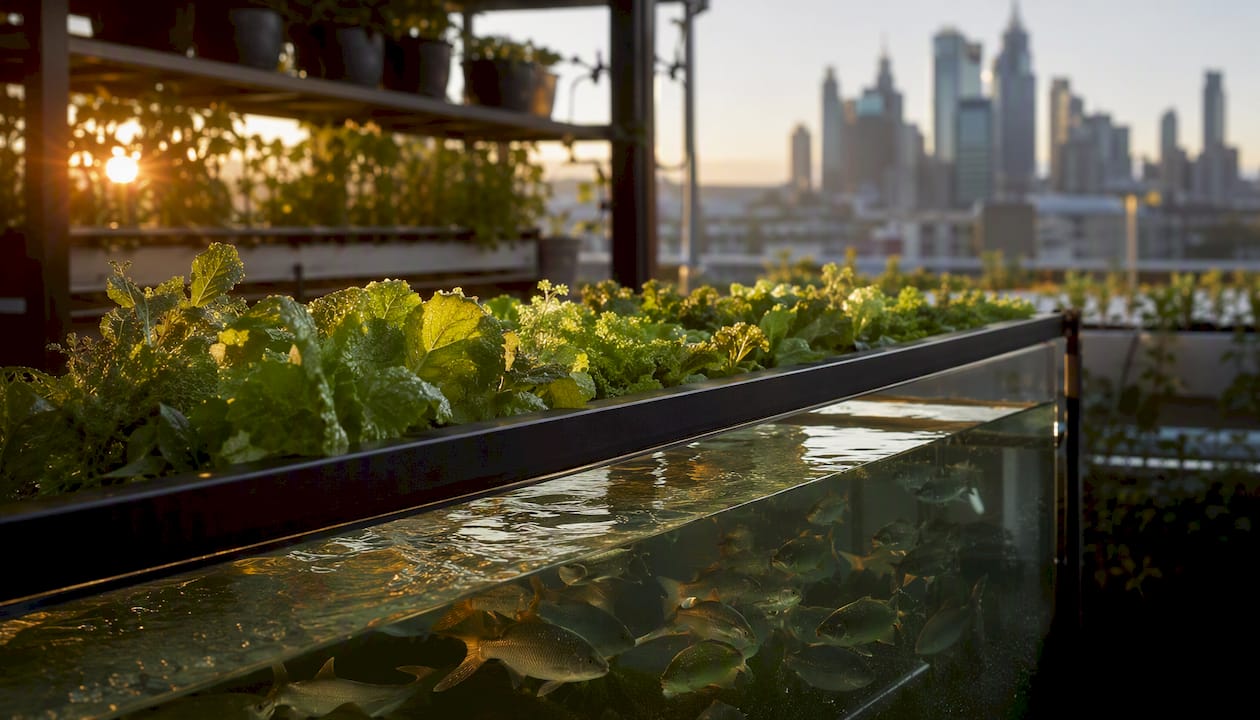
- Urban aquaponics — Partner with or install a compact aquaponics unit; Fairmont Singapore's 450 m² urban aquaponics farm demonstrates that meaningful production is achievable in a city footprint.
- Artisan pantry and house-made value-adds — Source jams, pickles, hot sauces, and condiments from local makers; display them at breakfast and sell them in-room as a revenue line.
This week, map your current food and beverage spend across three target categories (dairy, produce, and dry goods) and identify which one has the most local substitution potential. Alto Hotel on Bourke in Melbourne's CBD is a working Australian example of this philosophy in action. Read the full case study in Section 10.
Pro Tip: *Start with eggs and honey. Both travel well, have a long shelf life relative to fresh produce, and local versions are almost always available within 100 km of any Australian capital city. They are the lowest-friction entry point for any hotel new to local procurement.
Table of Contents
- What local sourcing models can hotels actually use?
- How do you operationalise local sourcing through procurement?
- What Australian compliance checks do procurement teams need?
- What does a realistic local sourcing rollout look like?
- Which KPIs should you track for local sourcing?
- What operational challenges will you face, and how do you fix them?
- How do you communicate local sourcing to guests?
- Alto Hotel on Bourke: an Australian case study
- Key takeaways
- The gap between local sourcing ambition and operational reality
- Altohotel: where sustainable dining meets Melbourne's best address
- Useful sources and further reading
What local sourcing models can hotels actually use?
Six distinct models cover the full range of hotel types, budgets, and physical footprints. The right choice depends on your volume needs, available space, capital budget, and guest profile.
| Model | Best-fit hotel profile | Volume capacity | Capex required | Key constraint |
|---|---|---|---|---|
| On-site kitchen garden | Boutique, resort, eco-lodge | Low (herbs, microgreens) | Low–medium | Space and maintenance labour |
| Direct farm partnership | Any size | Medium–high | Minimal | Supplier reliability and minimums |
| Food hub / aggregator | Mid-scale to large | High | Minimal | Hub availability in your region |
| CSA / producer box | Boutique, lifestyle hotel | Low–medium | None | Menu flexibility required |
| Urban aquaponics | City hotel with rooftop or spare floor | Medium | High | Installation and running costs |
| Artisan pantry / house-made | Any size | Low | Low | Curation and storage |
On-site farming at scale is best illustrated by properties like JW Marriott Khao Lak, which runs large on-site growing operations that supply a meaningful share of kitchen needs and double as a guest experience. The Asia Sustainable Travel case studies show that on-site farms, circular gastronomy programmes, and direct farm partnerships can cut imports, reduce waste, and generate strong guest engagement when they are visible and well-communicated.
Urban aquaponics solves the space problem for city hotels. Fairmont Singapore's system produces fish and vegetables in a 450 m² footprint, demonstrating that meaningful year-round supply is achievable without rural land. The capital cost is real, but the operational story it generates for guests is difficult to replicate with any other model.
Food hubs and aggregators are the most practical entry point for Australian hotels that want volume and consistency without managing ten separate supplier relationships. A hub consolidates orders, handles logistics, and issues a single invoice, which removes the accounts-payable friction that kills many local sourcing pilots before they reach scale.
CSA and producer boxes suit boutique properties where the chef has latitude to build menus around what arrives each week. This model requires genuine culinary flexibility, but it produces the freshest possible ingredients and the most authentic provenance story.
How to choose: if you have space and a capital budget, start with an on-site garden for herbs and microgreens while simultaneously onboarding one or two direct farm partners for volume categories. If you are a city hotel with no outdoor space, a food hub plus an artisan pantry gets you 80% of the guest-facing benefit at a fraction of the complexity.
- Prioritise models that match your kitchen team's capacity to adapt menus.
- A food hub removes logistics friction but reduces direct supplier relationships, which limits storytelling depth.
- Urban aquaponics and on-site gardens are high-visibility assets; direct farm partnerships are high-reliability assets. The best programmes combine both.
How do you operationalise local sourcing through procurement?
Getting local sourcing off a whiteboard and into weekly purchase orders requires five concrete tactics. CollectiveCrop's procurement guidance is clear that a small, stable roster of three to five farms is operationally more effective than a broad, loosely managed supplier list.
The five core tactics:
- Supplier mapping and volume aggregation — Audit your current spend by category, identify the top three categories by volume, and map which of those could be partially or fully sourced locally. Start with eggs, honey, and seasonal produce.
- Test SKUs before committing — Run a four-week trial on one or two SKUs before renegotiating broader contracts. This protects kitchen operations and gives you real quality and reliability data.
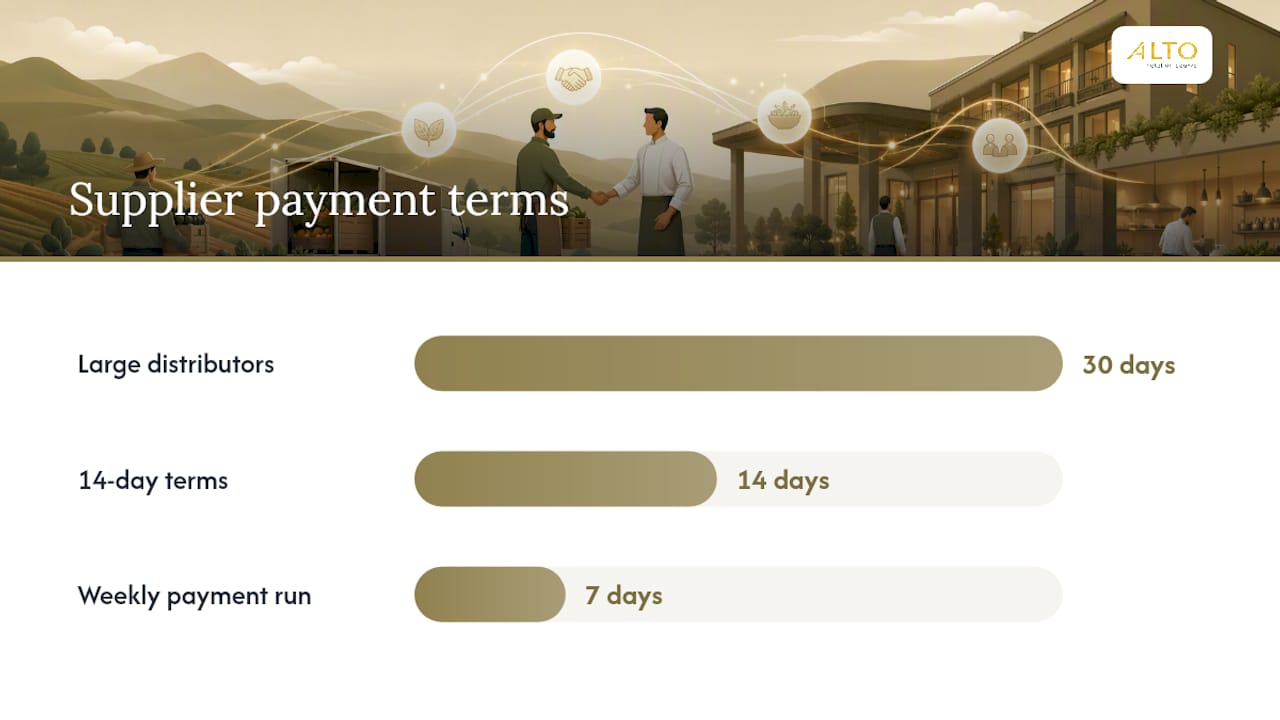
- Flexible accounts payable and consolidated billing — Small local producers often cannot meet the 30-day net payment terms that large distributors accept. Offer 14-day terms or weekly payment runs for suppliers under a threshold (say, $500 per week). This is frequently the difference between a supplier saying yes or no.
- Minimum-order strategies — Negotiate minimums that work for both sides. A farm supplying a boutique hotel may only be able to commit to 10 kg of greens per week. Build your menu around that volume rather than asking the supplier to scale beyond their capacity.
- Quality and traceability checks — Require suppliers to provide basic traceability documentation (farm name, harvest date, growing method) at onboarding. This supports both FSANZ compliance and guest communication.
Procurement checklist for supplier onboarding:
- Current food safety certification (HACCP or equivalent)
- Public liability insurance (minimum $10 million, confirm with your insurer)
- Allergen handling procedures and documentation
- Delivery window confirmation (days, times, lead time for orders)
- Traceability records (farm origin, harvest date)
- Price review cadence agreed in writing (quarterly is standard)
- Emergency contact and substitution protocol
Sample contract clauses to request (describe these to your legal team, not copy verbatim): a delivery-window clause specifying days and times; a traceability clause requiring farm-of-origin documentation with each delivery; a food-safety certification clause requiring current certification to be maintained and provided on request; and a price-review clause setting a quarterly review date with a maximum percentage movement per review period.
Pro Tip: When working with small farms, ask for a weekly availability list sent every Monday morning. This single habit, shared between the farm and your head chef, reduces substitutions by aligning kitchen planning with actual harvest availability before orders are placed.
Logistics tip: use a food hub or aggregator to consolidate deliveries from multiple small suppliers into one or two weekly drops. This cuts receiving labour, reduces cold-chain complexity, and makes local sourcing viable for properties that cannot absorb daily deliveries from ten different farms. For more on how hotels champion local food producers, the operational detail is worth reviewing alongside your supplier mapping exercise.
What Australian compliance checks do procurement teams need?
Local sourcing in Australia operates within a clear regulatory framework. The primary obligations sit under Food Standards Australia New Zealand (FSANZ) food safety standards, state and territory public health and licensing requirements, and Australian Consumer Law rules governing provenance claims.
FSANZ sets the national food safety standards that apply to food businesses, including hotels. State and territory health departments administer licensing and inspection for food businesses, and local councils handle food business registration. When you onboard a new local supplier, you are not just checking their product quality — you are verifying that their operation meets the same standards your kitchen is held to.
Compliance checks to include in every supplier onboarding:
- Confirmed food business registration with the relevant state or territory authority
- Current HACCP plan or equivalent food safety programme
- Allergen management procedures, including cross-contamination controls
- Cold-chain and transport compliance documentation
- Traceability records from farm to delivery
- Public liability insurance, current and adequate
- Any relevant primary production and processing standard compliance (for farms producing and processing on-site)
On provenance claims: Australian Consumer Law prohibits misleading or deceptive conduct, which extends to food labelling and marketing. If you describe a product as "local," "Victorian," or "farm-fresh," you need to be able to substantiate that claim with documentation. "Grown in the Yarra Valley" is a verifiable claim. "Sustainably sourced" without supporting certification is not. Brief your marketing and F&B teams on this distinction before any guest-facing communication goes live. When in doubt, name the farm and the region specifically — specificity is both more compelling to guests and easier to defend legally.
For primary production standards, the FSANZ website is the authoritative reference. State health departments (such as the Victorian Department of Health) publish food business licensing requirements, and your local council can confirm registration obligations for suppliers operating in their area.
What does a realistic local sourcing rollout look like?
A staged 6–18 month rollout is the most reliable path from pilot to embedded programme. Trying to convert your entire procurement in one quarter almost always fails; a phased approach protects kitchen operations and builds supplier relationships at a pace both sides can sustain.
| Phase | Timeframe | Key milestones |
|---|---|---|
| Pilot planning | Months 1–2 | Spend audit complete; two to three target categories identified; supplier shortlist of five to eight candidates |
| Supplier onboarding | Months 2–3 | Compliance checks complete; contracts signed; first test deliveries received |
| Menu testing | Months 3–4 | Test SKUs trialled in kitchen; chef feedback collected; menu adjustments made |
| Guest launch | Month 5 | Provenance labels added to menus; staff briefed on supplier stories; guest feedback mechanism in place |
| Scale-up | Months 6–18 | Additional categories added; food hub relationship established; local spend percentage tracked quarterly |
Typical cost drivers to budget for:
- Capex for on-site growing infrastructure (raised beds, irrigation, lighting for indoor growing): variable by scale, from a few thousand dollars for a herb garden to six figures for a rooftop system
- Staff training (food safety, supplier communication, menu flexibility): modest but recurring
- Food safety and quality assurance (FSQA) documentation and audits
- Aggregator or food hub fees, if applicable
- Packaging for guest-facing products (CSA boxes, in-room pantry items)
- Premium pricing differential for local versus broadline equivalents (typically 10–30% higher for some categories, offset by quality and waste reduction)
Pro Tip: Track food waste by category from the first week of your pilot. Local produce, ordered in smaller, more frequent quantities, typically generates less waste than bulk broadline orders. Redirect those waste-reduction savings to offset the premium cost of local sourcing — in many cases, the net cost difference is smaller than the initial price comparison suggests.
Which KPIs should you track for local sourcing?
Three KPIs matter most: percentage of total food spend sourced locally by category, guest visibility metrics (how many guests notice and respond to provenance communication), and supply resilience indicators (how often local suppliers substitute or fail to deliver).
Everything else is secondary, but worth tracking once the programme is running.
Secondary KPIs:
- Food miles avoided (calculate using supplier origin postcodes and delivery distances; Connect4Climate's food miles framework explains the methodology)
- Number of seasonal menu items served per quarter
- Supplier diversity (number of active local suppliers, split by category)
- Waste diversion from circular initiatives (compost, supplier take-back programmes)
- Carbon intensity of food procurement (use Our World in Data's food system emissions datasets to contextualise your figures)
Sample dashboard fields and how to collect them:
| KPI | Data source | Collection method | Reporting cadence |
|---|---|---|---|
| % local spend by category | Purchase orders | Tag supplier origin in PO system | Monthly |
| Guest visibility score | Guest surveys / comment cards | Add one provenance question to post-stay survey | Monthly |
| Supplier substitution rate | Delivery records | Log substitutions at receiving | Monthly |
| Food miles avoided | Supplier origin data | Calculate from postcode distance | Quarterly |
| Seasonal menu items | Menu records | Count seasonal items per menu cycle | Quarterly |
| Supplier diversity | Supplier register | Count active local suppliers | Quarterly |
Set realistic targets in year one: a local spend percentage of 15–20% across target categories is achievable for most Australian hotels within 12 months. Stretch targets of 40–50% are possible in produce-heavy categories for properties near agricultural regions, but they require a mature supplier roster and flexible menus.
Report the three priority KPIs monthly to your F&B and sustainability leads. Quarterly reporting to senior management should include food miles avoided and supplier diversity, as these are the figures most useful for sustainability certification applications and marketing claims.
What operational challenges will you face, and how do you fix them?
Five problems derail most local sourcing pilots. Here is each one and what actually works.
-
Seasonal gaps — Local supply disappears for certain categories in winter or during drought. Fix: Build a "fallback category" list before the pilot launches. Identify which broadline SKUs you will revert to when local supply is unavailable, and brief kitchen staff so substitutions are planned rather than panicked. Preserve-friendly categories (jams, pickles, dried herbs) can be produced or sourced in bulk during peak season and drawn down through winter.
-
Inconsistent invoicing from small suppliers — Small farms often issue handwritten or informal invoices that do not match your AP system's requirements. Fix: Provide a simple invoice template to new suppliers at onboarding. Offer to generate a purchase order they can reference. This reduces AP processing time and prevents payment delays that damage supplier relationships.
-
QA and food safety gaps — A local supplier may not have formal HACCP documentation. Fix: Provide a one-page food safety checklist at onboarding and offer a brief site visit. Most small producers are willing to formalise their practices when given clear, simple guidance rather than a 40-page compliance document.
-
Volume and minimum-order mismatches — A farm can supply 5 kg of heirloom tomatoes per week; your kitchen needs 20 kg. Fix: Aggregate demand across departments (restaurant, room service, events) before approaching suppliers. If volume is still insufficient from one farm, source the same SKU from two farms and split the order.
-
Price volatility — Local produce prices move with seasons and weather events. Fix: Agree a quarterly price review clause in your supplier contracts and build a 10–15% cost buffer into your local sourcing budget. Communicate price movements to your F&B manager in advance so menu pricing can be adjusted before costs are absorbed.
Pro Tip: Keep a stable roster of three to five core local suppliers and treat them as partners, not vendors. Share your forward booking calendar with them quarterly so they can plan planting and harvest cycles around your demand. This single habit reduces substitution risk more than any contract clause.
For supply disruptions, maintain a written emergency order SOP: identify which broadline categories you will revert to, who authorises the switch, and how you communicate the change to kitchen staff. A one-page document reviewed quarterly is sufficient.
How do you communicate local sourcing to guests?
The most effective guest communication is specific, visual, and embedded in the moment of consumption. A menu that says "eggs from Gippsland" outperforms a sustainability statement on a website by a factor that is difficult to overstate.
Immediate, high-impact communications:
- Menu labels that name the farm and region (not just "local" or "sustainable")
- A "today's harvest" chalkboard at breakfast showing what arrived that morning
- Staff trained to tell the supplier story in one sentence when guests ask
- In-room pantry items labelled with the producer's name and a two-line story
Words to use vs words to avoid:
Use: "Grown in the Yarra Valley by [Farm Name]," "Honey from [Suburb/Region] bees," "Made in Melbourne's inner north." These are specific, verifiable, and memorable.
Avoid: "sustainably sourced," "ethically produced," "farm-fresh" without a named farm. These phrases are unverifiable under Australian Consumer Law and have lost meaning with guests who have seen them everywhere.
Guest experience ideas that deepen engagement:
- Offer a quarterly farm visit for guests who book a specific package — even a two-hour visit to a nearby urban farm creates a story guests share.
- Build a "pick-and-pack" breakfast box for guests checking out early, filled with local produce items they can take with them.
- Host a monthly chef talk or cooking demonstration using that week's local produce delivery.
- Feature a "producer of the month" on your booking confirmation email and in-room tablet or printed card.
For booking pages, a single sentence with a named farm or region in the room description lifts perceived value and supports sustainability-minded booking decisions. Keep it specific: "Breakfast features eggs from Farm], honey from [Region], and bread from [Bakery]" is more persuasive than any general sustainability claim. For practical ideas on how [hotels connect guests to local makers, the guest programming detail is worth reviewing alongside your communication planning.
Alto Hotel on Bourke: an Australian case study
Altohotel is Melbourne's most visible example of a CBD boutique hotel building its identity around local sourcing and community partnerships. As one of the first environmentally rated hotels in the city, Altohotel has embedded local procurement into its guest experience rather than treating it as a back-of-house operational detail.
The hotel's approach centres on partnerships with local artisans and producers, with locally sourced and house-made items featured in guest-facing touchpoints including in-room amenities and breakfast offerings. Rooms, studios, and apartments are stocked with products that reflect Melbourne's inner-city maker culture, and the hotel's sustainability credentials, including its Hall of Fame recognition in the Victorian tourism sector, are grounded in operational practice rather than marketing language.
What other Melbourne CBD boutique hotels can replicate from Altohotel's model:
- Start with in-room pantry items from local makers. The capital cost is low, the guest visibility is high, and the story writes itself.
- Keep your supplier roster small and relationships close. Altohotel's community partnership model works because it is curated, not exhaustive.
- Integrate local sourcing into your booking narrative. Guests choosing between two similarly priced CBD hotels will notice when one names its producers and the other does not.
- Pursue sustainability certification early. Altohotel's environmental rating is both a guest-facing signal and an operational discipline that keeps procurement decisions accountable.
Local sourcing is most powerful when it is specific enough to be a story, not just a policy. A jar of honey from a Melbourne rooftop apiary on the breakfast table does more for guest perception than a sustainability report ever will.
The types of community partnerships boutique hotels use extend well beyond food, but food is the most immediate and sensory entry point for guests. Altohotel's model demonstrates that a CBD hotel without a farm or a large kitchen can still build a credible, guest-facing local sourcing story through curation, communication, and consistent supplier relationships.
Key takeaways
Australian hotels that embed local sourcing into procurement, guest communication, and supplier relationships build a durable competitive advantage that broadline-only operations cannot replicate.
| Point | Details |
|---|---|
| Start with three categories | Map spend across dairy, produce, and dry goods first; identify the highest local substitution potential before approaching suppliers. |
| Use a stable supplier roster | Three to five core local suppliers, managed as partners with shared forecasting, outperforms a large, loosely managed list. |
| Compliance is non-negotiable | Verify FSANZ standards, state licensing, and allergen documentation at supplier onboarding; substantiate all provenance claims under Australian Consumer Law. |
| Track three priority KPIs | Percentage local spend by category, guest visibility metrics, and supplier substitution rate are the minimum monthly measures. |
| Altohotel as a local model | Altohotel demonstrates that a Melbourne CBD boutique hotel can build a credible local sourcing identity through artisan partnerships, in-room curation, and sustainability certification. |
The gap between local sourcing ambition and operational reality
Most hotels that fail at local sourcing do not fail because the idea is wrong. They fail because they treat it as a procurement project when it is actually a cultural shift.
The hotels that get it right, including properties like Altohotel in Melbourne's CBD, share one habit: they make local sourcing visible to the people who have to execute it every day. That means chefs who know the farms by name, front-of-house staff who can answer a guest's question about the honey on the breakfast table, and a procurement manager who has a direct line to three suppliers rather than routing everything through a single distributor.
The conventional wisdom says start big, commit publicly, and build a programme. The operational reality says start with two SKUs, get one supplier relationship right, and let the story grow from there. A boutique Melbourne hotel does not need a 450 m² aquaponics farm to make a credible local sourcing claim. It needs a jar of honey from a local apiary, a named farm on the breakfast menu, and a chef who can talk about both.
What I find genuinely underestimated in this space is the compounding effect of specificity. Guests do not remember "we source locally." They remember "the eggs are from a family farm in Gippsland, about two hours from here." That sentence costs nothing to add to a menu. It changes the entire character of the breakfast experience. And it is the kind of detail that ends up in a review, a social post, or a conversation that brings the next guest through the door.
For Melbourne CBD hotels, the 90-day window to pilot a breakfast-focused local sourcing programme is genuinely short. The suppliers exist, the infrastructure is there, and the guest appetite is clear. The only thing missing in most cases is the decision to start.
Altohotel: where sustainable dining meets Melbourne's best address
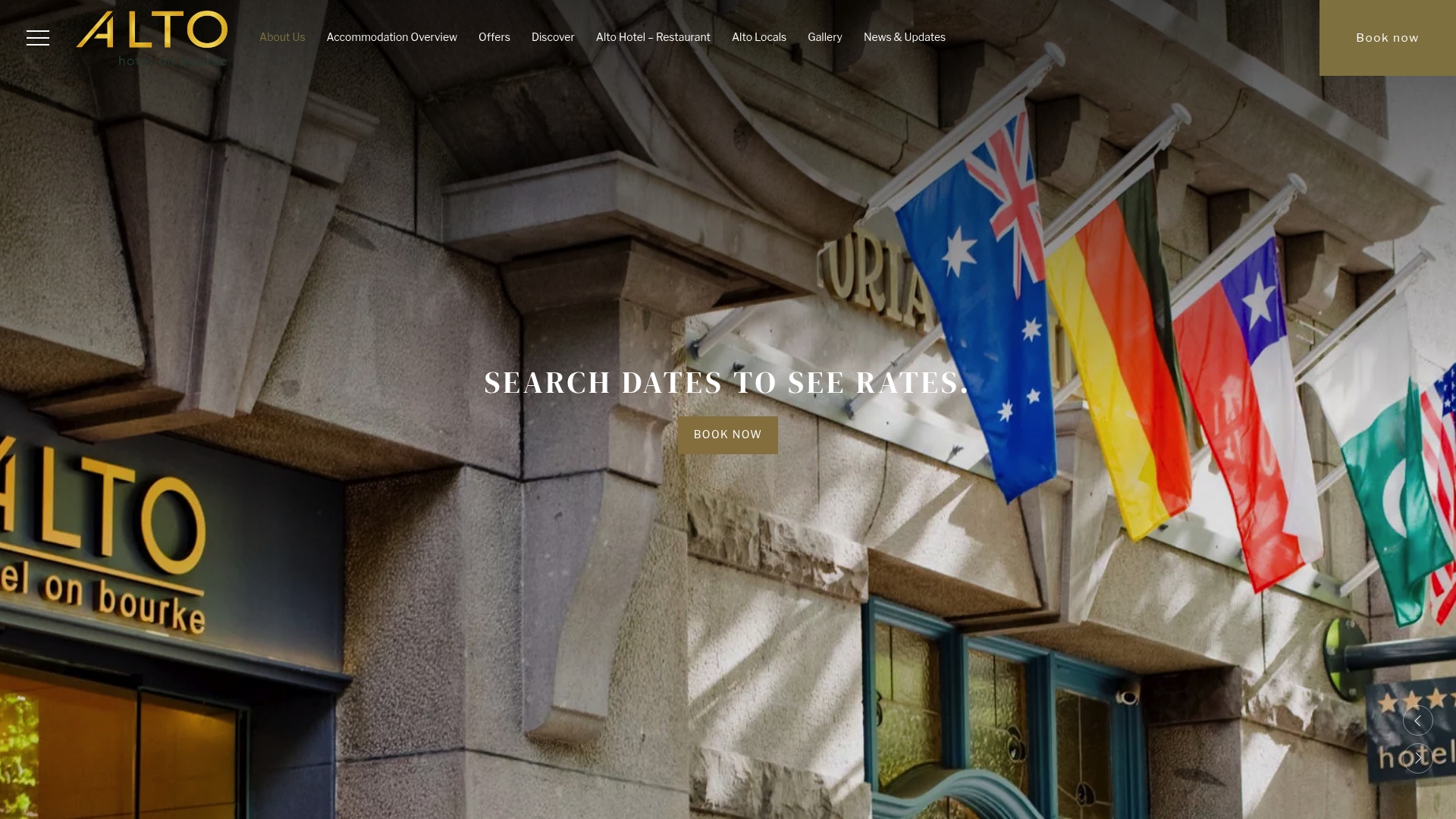
Altohotel is Melbourne's leading eco-certified boutique hotel, and local sourcing is not a marketing add-on here. It is woven into the guest experience from the in-room pantry to the breakfast table, with partnerships with Melbourne's local artisan producers giving every stay a flavour that is specific to this city and this neighbourhood.
For sustainability managers and hospitality professionals reading this guide, Altohotel is the working proof of concept in your own backyard. The hotel's Hall of Fame recognition in Victorian tourism reflects years of operational commitment to exactly the kind of local procurement and community partnership model this article describes.
If you are planning a Melbourne visit alongside your procurement research, or looking for a base that practises what it preaches on sustainable hotel dining, check availability and book direct at Altohotel. The Studio Queen and apartment options are particularly well-suited to extended stays where you want a kitchen to experiment with local produce yourself.
Useful sources and further reading
The sources below are the most useful starting points for procurement teams building or reviewing a local sourcing programme. Each is listed with a note on which sections of this guide it supports.
-
FAO Local Sourcing Knowledge Repository — International best-practice frameworks for sourcing from smallholders and building local value chains. Use this to ground your procurement policy and supplier definitions. Supports Sections 2, 4, and 10.
-
One Planet Network: Sustainable Food Procurement in the Hospitality Industry — Practical procurement criteria and evaluation steps for hospitality buyers. The most directly applicable checklist resource in this list. Supports Sections 4, 5, and 7.
-
CollectiveCrop: Local Food Procurement in Hotels and Hospitality — Operational guidance on supplier roster management, SKU selection, and the case for a small, stable supplier base. Supports Sections 4 and 8.
-
Asia Sustainable Travel: Sustainable Sourcing as a Brand Advantage — Case studies from JW Marriott Khao Lak, Six Senses Uluwatu, and Meliã Chiang Mai on on-site farming, circular gastronomy, and guest engagement. Supports Section 3.
-
Fairmont Singapore Urban Aquaponics Farm — Concrete production figures and a working example of the urban aquaponics model. Supports Sections 3 and 6.
-
Hilton: How Travellers' Sourcing Values Impact Procurement — Industry data on traveller preferences and Hilton's scaled local sourcing programme. Supports Sections 2 and 9.
-
Connect4Climate: What Are Food Miles? — Clear explanation of food miles as a metric and how to apply it to procurement decisions. Supports Section 7.
-
Our World in Data: Food System Emissions — Datasets and visualisations for contextualising your hotel's food procurement emissions against sector benchmarks. Supports Section 7.
-
Wild Foodz: What Is Local Sourcing — Benefits, Challenges, and Impact — A practical primer on the benefits and challenges of local sourcing for hospitality operators. Useful background reading alongside Sections 2 and 8.