
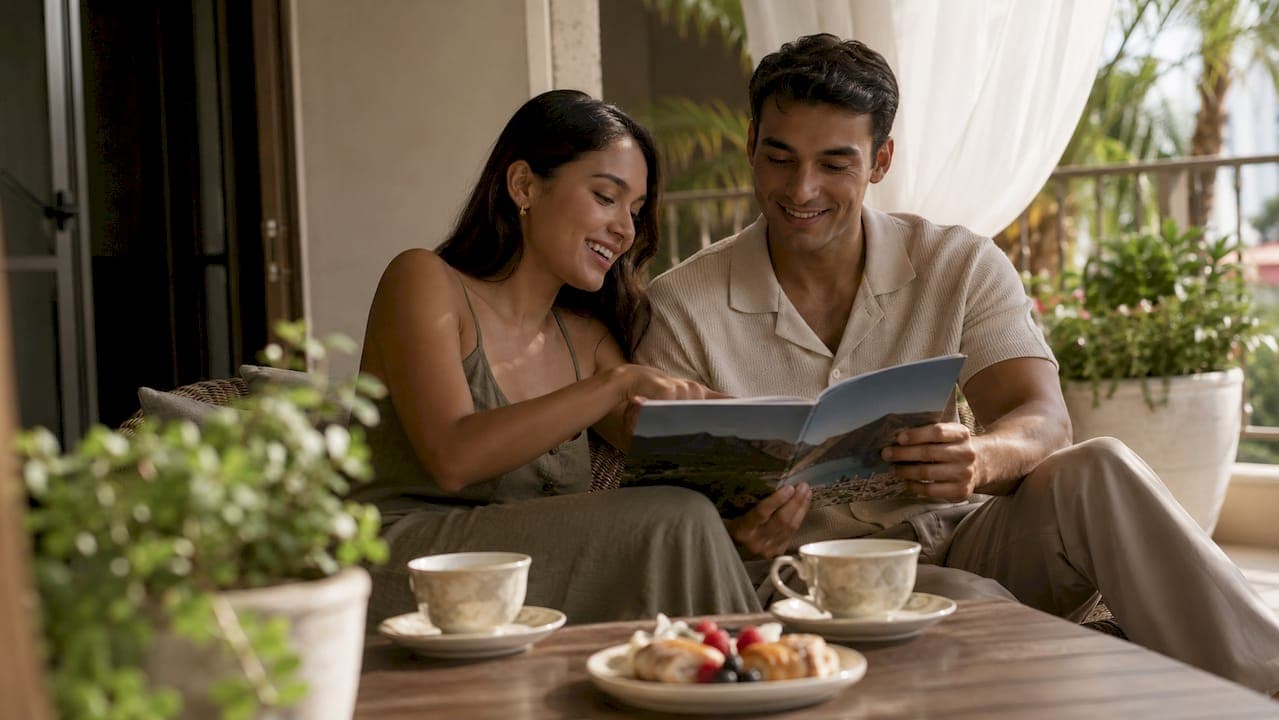
Personalising a romantic boutique hotel stay means crafting a unique atmosphere and tailored experience that deepens connection and comfort for couples. Unlike standard hotel packages, true personalisation in the boutique hospitality world, often called bespoke guest experience design, goes far beyond a bottle of champagne on arrival. Hotels like El Fenn in Marrakech, Zannier Phum Baitang in Cambodia, and Nobu Hotel Roma have each built signature approaches to customisable romantic getaways that treat every couple as genuinely distinct. The result is not just a nicer room. It is a stay that feels written specifically for you.
What personalised romantic experiences can couples expect at boutique hotels?
The range of tailored romantic experiences at boutique hotels is broader than most couples realise before they book. At the top end, El Fenn offers bespoke multi-day itineraries for €600 per two guests on stays of three or more nights, covering guided tours, chauffeur-driven design district visits, art collection tours, and rooftop dinners. That price point reflects a genuine concierge investment in understanding what a couple actually values, whether that is gastronomy, architecture, or local craft. It is not a generic romance package with a fixed checklist.
Zannier Phum Baitang's Romance and Celebration Package takes a different approach, anchoring the experience in private rituals. Couples receive a Buddhist monk blessing, a private chef dining session, and sound healing sessions alongside a sunrise tour of Angkor Wat. These are not amenities you can replicate at a chain hotel. They are place-specific, culturally rooted, and deeply intimate. That combination of location and ritual is what makes a tailored romantic escape feel genuinely memorable rather than manufactured.
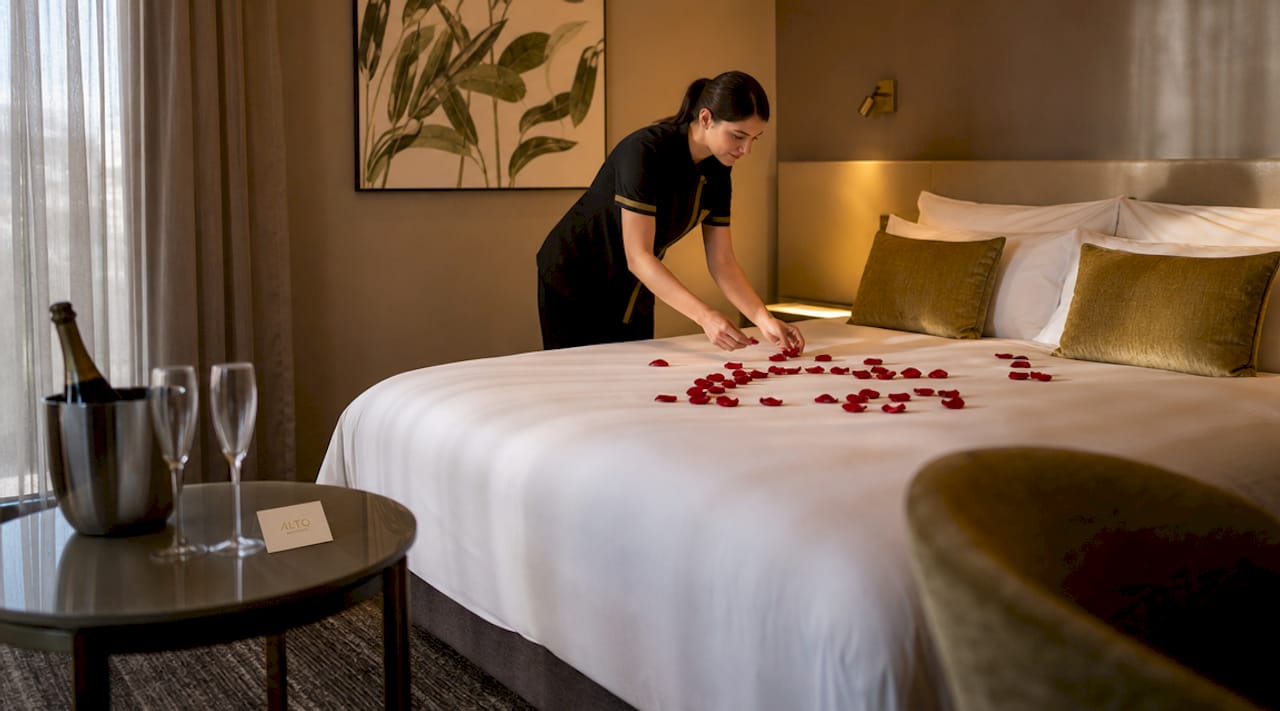
For couples who want personalisation focused on timing and comfort rather than adventure, Nobu Hotel Roma's 'Love Nobu' offer delivers arrival champagne with dessert, daily breakfast, and a relaxed late check-out. The late check-out detail matters more than it sounds. Removing the pressure of a fixed departure time changes the entire emotional tone of a final morning together.
Here is what the best boutique hotels typically offer as part of a customisable romantic stay:
- Curated local itineraries built around the couple's shared interests, from food markets to gallery tours
- Private in-room rituals such as sound healing, couples massage, or cultural ceremonies
- Timed arrival touches including flowers, champagne, handwritten notes, or a curated minibar
- Flexible scheduling with late check-outs, private dining windows, or exclusive access to hotel spaces
- Personalised dining ranging from in-room breakfast upgrades to private chef experiences
Pro Tip: When researching boutique hotels, look specifically for packages that ask about your interests before arrival rather than simply listing what they include. A hotel that asks questions is a hotel that actually personalises.
How do boutique hotels personalise guest communication?
The most common complaint couples have about personalised hotel experiences is that the personalisation feels either intrusive or hollow. A hotel that greets you by name but then asks you to repeat your dietary preferences three times has failed at the core task. True personalised service depends on unified guest profiles that integrate data across departments so that no guest ever has to repeat themselves.
The practical mechanism behind this is what hospitality technology specialists call a unified context graph, a single durable profile that pulls together data from the property management system, the CRM, and direct staff observations. A unified guest context graph allows every department, from housekeeping to the restaurant, to access the same preferences without the guest ever knowing the system exists. That invisibility is the point. When personalisation is working well, it feels like intuition rather than data retrieval.
Staff training is equally critical. The phrasing a team member uses when referencing a previous stay can either feel warm or feel surveillance-like. Permission-based phrasing, such as asking "same setup as last time, or would you like to try something different?", gives the guest control without requiring them to re-explain their preferences. Presenting options rather than referencing stored data directly is a small but significant distinction that separates high-end boutique service from awkward automation.
The most effective boutique hotels combine these two elements:
- Automated preference capture handles room configuration, dietary notes, and scheduling without staff needing to ask repeatedly
- Human-led moments are reserved for emotionally significant interactions, such as a welcome note from the manager or a staff member personally arranging a surprise
- Cross-department data sharing prevents the frustration of preferences being siloed in one team's notes
- Gentle opt-in language makes guests feel respected rather than tracked
What operational models support personalised romantic stays?
The operational framework behind a genuinely personalised intimate boutique stay is more deliberate than most guests appreciate. Concierge hosting allocates roughly 70% of effort to automation for routine logistics and 30% to human-delivered, high-impact moments. This split is not arbitrary. It reflects the reality that most guest interactions are transactional, check-in details, housekeeping schedules, restaurant bookings, and automating these frees staff to focus on the moments that actually create emotional memory.
Proactive outreach is the operational detail that separates good boutique hotels from great ones. When a booking system flags an anniversary, a repeat visit, or an unusually long stay, the best hotels trigger a personalised workflow before the couple even arrives. That might mean a handwritten card waiting in the room, a complimentary upgrade already processed, or a curated local guide prepared based on the couple's previous interests.
Here is how the operational model typically works in practice:
- Pre-arrival data review: The concierge team reviews the booking for VIP markers such as anniversaries, honeymoons, or repeat guest status.
- Preference pre-loading: Room configuration, minibar contents, and turn-down preferences are set before arrival using data from previous stays or pre-arrival questionnaires.
- Arrival experience design: The first 15 minutes of a stay are scripted to feel personal, with specific touches timed to the couple's arrival.
- In-stay adjustment: Mobile apps or in-room tablets allow couples to modify housekeeping schedules, request additional amenities, or adjust preferences in real time.
- Post-stay profile update: Staff observations and guest feedback are added to the unified profile for future stays.
| Operational element | Purpose |
|---|---|
| Unified guest profile | Prevents repeated preference questions across departments |
| VIP trigger workflows | Times personalised touches to meaningful moments |
| 70/30 automation split | Frees staff for high-impact human interactions |
| In-stay digital tools | Gives couples real-time control over their experience |
Pro Tip: Before arrival, ask the hotel directly whether they use a pre-arrival questionnaire. If they do, fill it out in detail. Hotels that ask are set up to act on what you tell them.
How can couples personalise their own boutique hotel stay?
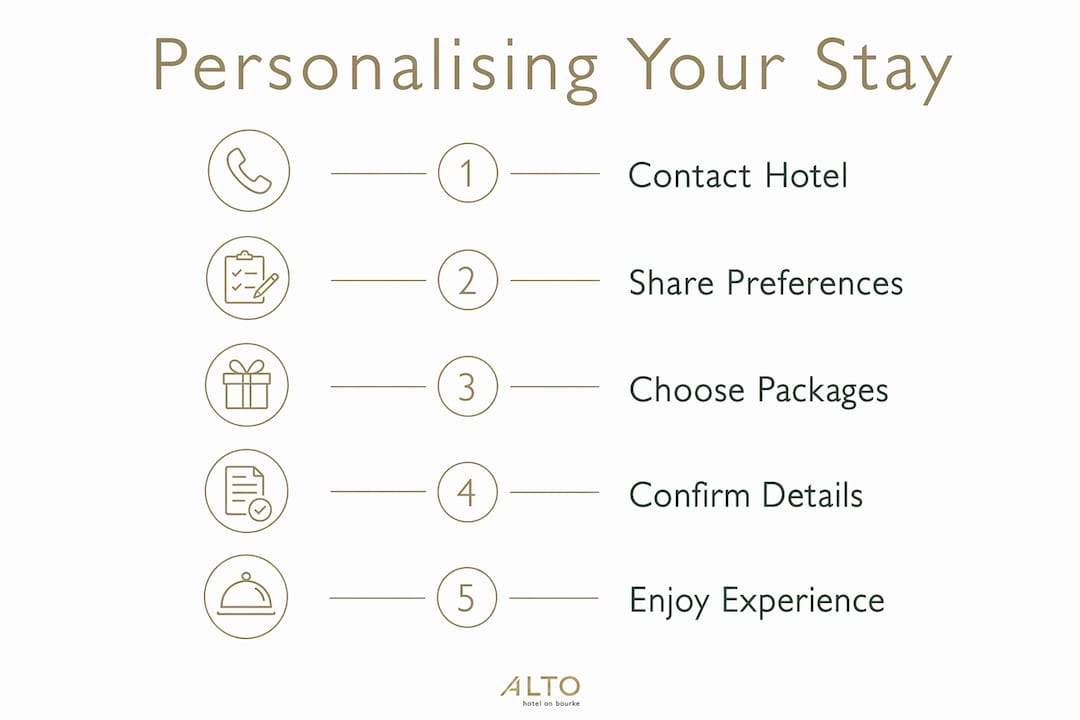
Couples who get the most from a tailored romantic escape are the ones who treat the hotel as a collaborator rather than a service provider. The hotel's ability to personalise is only as good as the information it has to work with. Here is a practical sequence for getting the most from a customisable hotel getaway:
- Choose the right hotel first. Research boutique properties that explicitly offer personalised romantic packages. Boutique hotels are better suited to genuine personalisation than large chains because their smaller scale allows staff to actually know their guests.
- Contact the hotel before booking, not after. A quick email to the reservations or concierge team explaining the occasion and your shared interests takes five minutes and can transform what the hotel prepares for you.
- Be specific about what matters. "We love food" is less useful than "we are interested in local produce and would love a recommendation for a neighbourhood restaurant that locals actually use." Specificity gives the hotel something to act on.
- Request in-room touches with a purpose. Rather than asking for "something romantic," name what would feel meaningful. Fresh flowers, a specific wine, a particular type of music, or a local book left on the bedside table all carry more weight than a generic gesture.
- Use digital tools during the stay. If the hotel offers an app or in-room tablet, use it to adjust preferences rather than waiting for something to feel slightly off. Good hotels want that feedback in real time.
- Leave room for the hotel to surprise you. Over-specifying every detail removes the possibility of a genuinely unexpected moment. Communicate your interests and trust the team to interpret them.
Location shapes the experience as much as any in-room touch, so factor the neighbourhood into your choice. A hotel that can offer curated local exploration as part of the romantic experience adds a dimension that no amount of in-room champagne can replicate.
What mistakes should couples and hotels avoid?
The most common failure in personalised romantic hotel experiences is not a lack of effort. It is effort applied in the wrong direction. Boutique hotels that personalise local experiences through curated neighbourhood walks and staff recommendations create a sense of genuine care that feels far less intrusive than data-heavy room customisation. The lesson is that personalisation does not always mean knowing more about the guest. Sometimes it means knowing more about the place.
For couples, the most damaging mistake is communicating preferences too late or not at all, then feeling disappointed when the hotel delivers a standard experience. A hotel cannot personalise what it does not know. Equally, couples who over-specify every element of the stay remove the spontaneity that makes a romantic experience feel alive.
For hotels, the critical errors include:
- Siloing guest data so that the restaurant has no idea the couple celebrating an anniversary has already mentioned a dietary preference at check-in
- Automating emotional moments such as sending a generic "Happy Anniversary" text message rather than a handwritten note
- Asking repetitive preference questions without a unified system to store and act on the answers
- Timing personalised touches poorly, such as delivering a turn-down service during the couple's dinner rather than after
The most intrusive thing a hotel can do is make a guest feel like a data point. The most memorable thing it can do is make them feel like the only guests in the building.
Key takeaways
Personalising a romantic boutique hotel stay works best when couples communicate early, hotels invest in unified guest profiles, and both parties treat the experience as a genuine collaboration.
| Point | Details |
|---|---|
| Communicate before arrival | Contact the concierge with specific interests and the occasion to unlock genuine personalisation. |
| Choose boutique over chain | Smaller properties have the operational flexibility to act on individual preferences in real time. |
| Hotels need unified profiles | Integrated guest data across departments prevents repetition and creates seamless, thoughtful service. |
| Timing matters as much as content | A well-timed small gesture carries more emotional weight than a grand but poorly timed one. |
| Local personalisation is underrated | Curated neighbourhood recommendations feel genuine and less invasive than data-heavy room customisation. |
Why the small details are what you actually remember
I have stayed in and written about boutique hotels across three continents, and the experiences that have stayed with me are never the ones with the most elaborate packages. They are the ones where something small happened at exactly the right moment. A staff member who remembered, without being asked, that I preferred the curtains left slightly open. A note that referenced a conversation from check-in. A local restaurant recommendation that turned out to be genuinely extraordinary rather than just the nearest option.
What separates those moments from the forgettable ones is not budget or technology. It is the combination of a hotel that has invested in knowing its guests and staff who have been trained to act on that knowledge with discretion. The 70/30 model, where automation handles the logistics and humans deliver the moments, is not just an operational framework. It is the closest thing hospitality has to a formula for making people feel genuinely cared for.
My honest observation after years of covering this space is that couples who engage actively with the hotel before and during their stay consistently report better experiences than those who arrive and wait to be impressed. The best boutique hotels are set up to respond to what you give them. The more specific and honest you are about what would make the stay meaningful, the more the hotel has to work with. Personalisation is a two-way process, and the couples who understand that tend to leave with the stories worth telling.
— Kamal
Experience a personalised romantic stay at Altohotel in Melbourne
Altohotel on Bourke is Melbourne's premier eco-friendly boutique hotel and one of the first environmentally rated properties in the city. For couples seeking a tailored romantic escape in Melbourne's CBD, the hotel's 2 Bedroom Deluxe Apartments offer the space and privacy that genuine intimacy requires, with eco-conscious design that adds a distinct sense of place. For a more intimate setting, the Studio King Plus rooms are designed with couples in mind. Contact the Altohotel team directly before your stay to discuss personalised add-ons, local itinerary suggestions, and romantic touches that reflect what actually matters to you as a couple.
FAQ
What does it mean to personalise a boutique hotel stay?
Personalising a boutique hotel stay means tailoring the room setup, timing of amenities, local itineraries, and staff interactions to reflect a specific couple's interests and occasion. It goes beyond standard romance packages to create an experience that feels genuinely individual.
How far in advance should couples communicate preferences to a boutique hotel?
Contact the hotel at least one week before arrival to give the concierge team time to arrange bespoke touches, source specific items, and coordinate across departments. Last-minute requests limit what the hotel can realistically deliver.
How do boutique hotels remember guest preferences without being intrusive?
The best boutique hotels use unified guest profiles that integrate data from all departments, so staff can act on preferences without repeatedly asking the guest to re-explain them. Permission-based phrasing keeps the interaction feeling warm rather than surveillance-like.
What is the most underrated way to personalise a romantic hotel stay?
Curated local recommendations, such as neighbourhood walks and staff picks for restaurants and hidden spots, create a sense of genuine care that feels more personal than in-room amenities. Local personalisation is less invasive and often more memorable than data-driven room customisation.
Are personalised romantic packages worth the extra cost?
Packages like El Fenn's bespoke itinerary at €600 for two guests deliver guided experiences, private dining, and cultural access that would be difficult to arrange independently. The value depends on how well the package is matched to the couple's actual interests, which is why communication before booking is critical.