
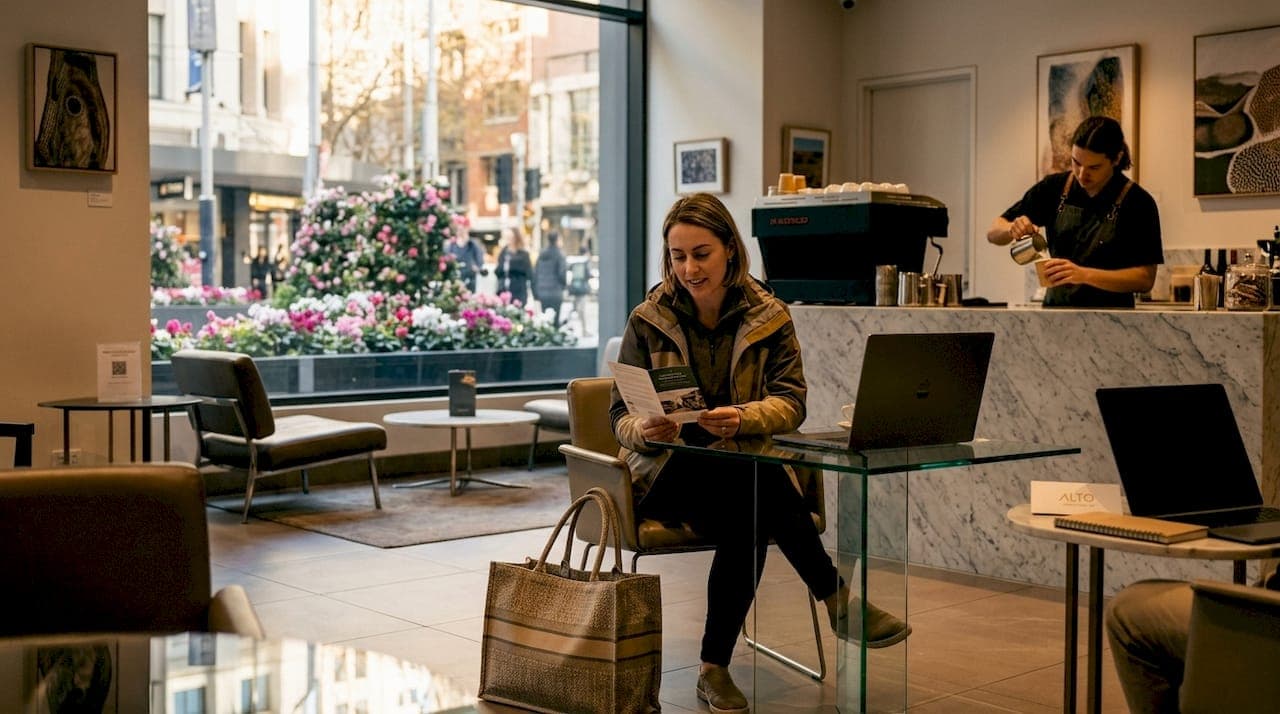
Locally sourced hotel experiences are defined as stays where the property actively integrates regional food, materials, artisans, and cultural practices into every aspect of the guest experience. This goes well beyond a token local jam at breakfast. The industry term for this approach is "community-based hospitality," and it sits at the heart of the sustainable travel movement. Travellers who want to find locally sourced hotel experiences are looking for accommodation that treats local suppliers as genuine partners, not props. Altohotel on Bourke in Melbourne is one of the clearest examples of this model done right, holding Hall of Fame recognition in the Victorian tourism sector for its commitment to local sourcing and ecological responsibility.
What criteria distinguish truly locally sourced hotels?
Genuine local sourcing is a daily operational practice, not a marketing tactic. The difference between a hotel that truly sources locally and one that simply claims to is visible in its supplier relationships, its menus, its interiors, and its community ties.
The most reliable indicators of authentic local sourcing include:
- Long-term supplier relationships. Hotels that treat local artisans as partners and old friends, rather than vendors on a contract, demonstrate genuine community integration. Look for properties where the owner can name the farmer who grew the vegetables on your plate.
- Regional ingredients in food and amenities. On-site produce and farm-made toiletries reduce a hotel's carbon footprint compared to imported alternatives. This is a concrete, measurable commitment.
- Local culture in design. Rooms furnished with pieces from regional craftspeople, walls hung with work by local artists, and coffee sourced from a neighbourhood roaster all signal authentic integration. Hotels that feature local artists and local breweries are embedding themselves in the community rather than decorating around it.
- Guest activities rooted in place. Cooking classes using seasonal produce, guided walks with local historians, and market visits led by hotel staff are signs that the property connects guests to the region's living culture.
Pro Tip: Ask the hotel directly: "Can you name three local suppliers you work with?" A genuinely community-focused property will answer immediately and with enthusiasm. Vague answers about "supporting local" are a red flag.
The term "greenwashing" describes the practice of making sustainability claims without substance to back them up. Certification bodies like EarthCheck and Green Globe provide third-party verification that a hotel's environmental and sourcing claims are real. Altohotel holds environmental ratings that place it among the first certified eco-friendly hotels in Melbourne, giving travellers a verified benchmark rather than a promise.
How to research hotels offering authentic local stays
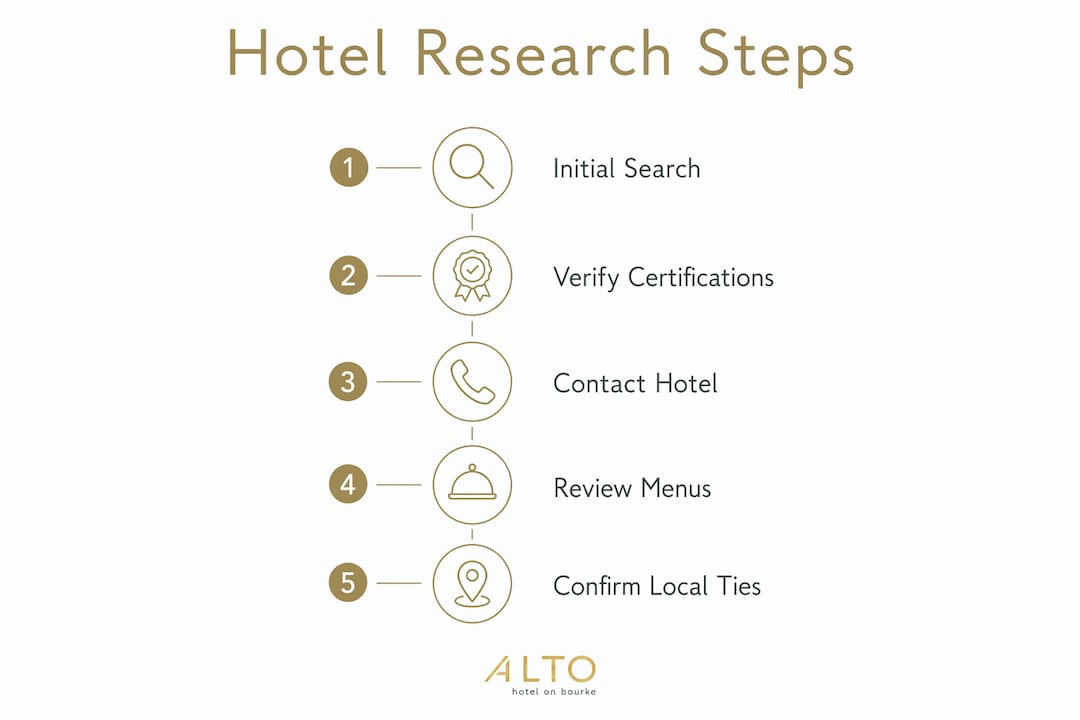
Finding hotels that genuinely source locally requires more than a quick search. A structured approach saves time and protects you from misleading claims.
- Check for third-party certifications. Search for EarthCheck, Green Globe, or national tourism authority ratings before reading the hotel's own marketing copy. Certifications require audits; marketing copy does not.
- Read guest reviews for specific mentions. Reviews that name a local cheese producer, describe a cooking class with the hotel's farmer, or mention a specific regional wine on the menu are far more credible than reviews praising "a great local feel." Platforms that allow detailed reviews give you the most useful signal.
- Research the hotel's community involvement. Look for community partnerships boutique hotels form with local businesses. A hotel that sponsors a neighbourhood market or employs local guides has skin in the community game.
- Book directly to access exclusive information. Direct booking often unlocks details about local sourcing programmes, seasonal menus, and guest activities that third-party platforms do not list. Booking directly with boutique hotels can also save up to 25% on midweek multi-night stays. That saving is worth pursuing, but the access to richer property information is equally valuable.
- Use specialist platforms. Platforms focused on sustainable and eco-friendly accommodations curate properties by their environmental and community credentials, reducing the research burden significantly.
The table below summarises what to look for at each stage of your research.
| Research stage | What to look for | Why it matters |
|---|---|---|
| Initial search | Third-party eco certifications | Verifies claims independently |
| Review reading | Named local suppliers or activities | Confirms real community ties |
| Direct contact | Supplier names, seasonal menus | Reveals depth of local sourcing |
| Booking stage | Direct booking perks and local packages | Unlocks exclusive offers and information |
Pro Tip: When you enjoy local food experiences as part of your stay, ask your server or host where each ingredient comes from. The answer tells you more about a hotel's sourcing commitment than any brochure.
What to expect from the guest experience at locally sourced hotels
Travellers who choose community-focused hotels often describe the experience as qualitatively different from a standard hotel stay. The difference shows up in specific, tangible ways.
Food and dining

Farm-to-table menus are the most visible expression of local sourcing. Expect seasonal dishes that change with the region's harvest calendar, not a fixed menu designed for year-round consistency. Authentic travel requires deeper engagement with local history and daily life, and the dining table is one of the most direct entry points. Some properties grow their own produce on-site and use farm-derived ingredients even in toiletries, which is a level of commitment that goes well beyond the typical "locally inspired" menu.
Rooms and interiors
Locally sourced hotels use materials and objects that reflect the region's craft traditions. Expect handwoven textiles, furniture from regional timber, ceramics from local potters, and artwork by artists who live nearby. These details are not decorative afterthoughts. They are the physical evidence of the hotel's supplier relationships.
Activities and cultural connection
The best locally sourced hotels connect guests to the region's rhythms. Synchronising with local pace for authentic experiences means eating at local hours, visiting markets that locals actually use, and participating in activities that are part of community life rather than staged for tourists. A hotel that arranges a visit to the farm supplying its kitchen, or a workshop with the ceramicist whose bowls are on the breakfast table, delivers a depth of immersion that no chain property can replicate.
Practical limitations to plan for
Locally sourced hotels are often smaller boutique properties. Availability is limited, seasonal closures are common, and last-minute bookings frequently find rooms sold out. Accessibility features vary widely between properties, so travellers with specific needs should confirm details directly with the hotel before booking.
Booking tips and pitfalls to avoid
Choosing the right locally sourced hotel requires avoiding a few common mistakes that can turn a promising stay into a disappointing one.
- Book directly. Third-party platforms often strip out the contextual detail that makes locally sourced hotels worth choosing. Direct booking gives you access to the hotel's own packages, seasonal offers, and the ability to ask specific questions before you arrive.
- Verify sustainability claims. Ask for the name of the certification body and check it independently. A hotel that cannot name its certifier is likely relying on self-assessment.
- Avoid last-minute bookings. Boutique properties with genuine local sourcing programmes fill quickly, particularly during harvest seasons and local festivals when the regional experience is at its peak.
- Clarify pet policies early. Boutique hotels vary significantly in their approach to pets. Some charge one-time fees to maintain their service standards. Confirming this before booking avoids surprises on arrival.
- Read the fine print on "local." Some hotels use the word "local" to mean within the country, not within the region. Ask specifically about the distance between the hotel and its key suppliers.
Pro Tip: Look for culturally immersive hotel stays that publish their supplier list or seasonal menu online. Transparency at this level is the clearest sign of genuine commitment.
Altohotel on Bourke publishes its environmental commitments and works with local artisans and organisations as foundational partners, not seasonal additions. That transparency is a model worth looking for in any property you consider.
Key takeaways
Locally sourced hotel experiences deliver authentic cultural immersion when the property treats regional suppliers, artisans, and community organisations as genuine long-term partners rather than marketing assets.
| Point | Details |
|---|---|
| Verify with certifications | Check EarthCheck, Green Globe, or national tourism ratings before trusting marketing claims. |
| Book directly | Direct booking unlocks exclusive offers, richer sourcing information, and direct access to hotel staff. |
| Look for named suppliers | Hotels that name their farmers, potters, and roasters demonstrate real community ties. |
| Plan ahead | Boutique locally sourced hotels fill quickly; book early, especially around harvest seasons. |
| Engage on arrival | Ask staff about suppliers and activities to deepen your cultural immersion beyond the room. |
Why I think most travellers underestimate the booking stage
Most articles about authentic travel focus on what to do once you arrive. The booking stage is where the real decisions happen, and most travellers rush through it.
I've noticed that the gap between a genuinely community-focused hotel and one that uses the language without the substance almost always shows up in the booking conversation. When I contact a hotel directly and ask who supplies their kitchen, the quality of the answer tells me everything. A property with real local sourcing answers immediately, often with a story. A property that is performing local sourcing gives me a vague reference to "regional producers."
The other thing travellers consistently underestimate is the value of timing. Authentic travel experiences are not uniform across the year. A farm-stay hotel in spring offers a completely different experience from the same property in autumn, because the produce, the activities, and even the community events change with the season. Booking at the right time of year is as important as choosing the right property.
My honest view is that the rise of sustainability certification has made this easier than it was a decade ago. Travellers now have independent verification tools that did not exist before. Use them. Do not rely on a hotel's own copy to tell you whether its commitment is real. The properties that genuinely champion local food producers welcome the scrutiny. The ones that don't are telling you something important.
— Kamal
Altohotel on Bourke: Melbourne's locally sourced stay
Altohotel on Bourke is one of Melbourne's first environmentally rated boutique hotels, and its commitment to local sourcing is built into the property's foundations rather than added as an afterthought.
The hotel works with local artisans and organisations to shape the guest experience, from the materials used in its rooms to the community partnerships that inform its amenities. Travellers can choose from studio and apartment options designed with eco-conscious materials, or opt for a two-bedroom stay that suits longer visits to Melbourne's local food and cultural scene. Booking directly through Altohotel's website gives you access to the best available rates and the most current information on local packages and seasonal offers.
FAQ
What makes a hotel experience "locally sourced"?
A locally sourced hotel experience is one where the property actively uses regional food, materials, and artisans in its daily operations. The key distinction is that local sourcing is a foundational practice, not a marketing label.
How do I spot greenwashing in hotel sustainability claims?
Ask for the name of the hotel's third-party certification body and verify it independently. Hotels with genuine credentials welcome this question; those relying on self-assessment typically cannot provide a specific certifier.
Is it better to book locally sourced hotels directly?
Booking directly with boutique hotels can unlock savings of up to 25% on select stays, and it gives you direct access to staff who can answer specific questions about sourcing, seasonal menus, and local activities.
What activities should I expect at a community-focused hotel?
Expect farm visits, cooking classes using seasonal produce, guided walks with local experts, and market visits. The best properties connect guests to activities that are part of community life, not staged for tourists.
Are locally sourced hotels suitable for travellers with specific accessibility needs?
Boutique properties vary widely in their accessibility features. Always confirm specific requirements directly with the hotel before booking, as these details are not always listed on third-party platforms.