
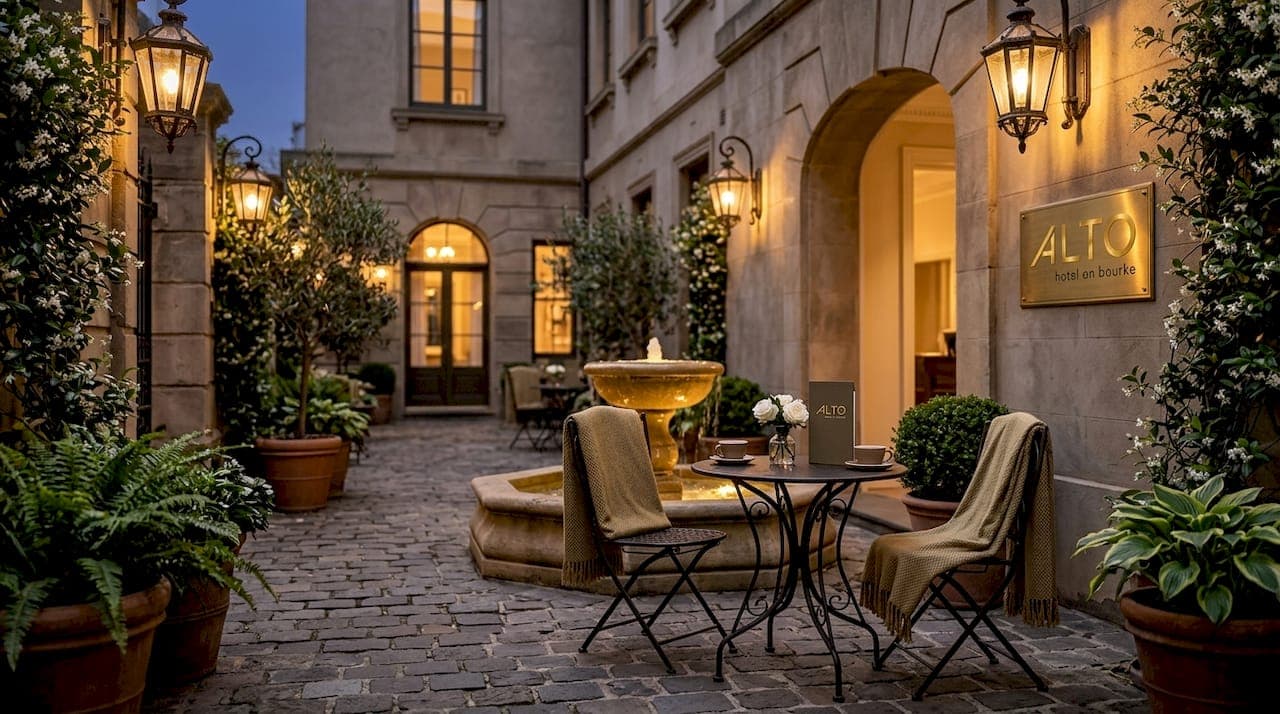
Location is the single most powerful factor shaping the romantic experience at a boutique hotel, more so than thread count, room size, or star rating. The role of location in a romantic boutique hotel extends far beyond a pin on a map. It determines the mood you arrive in, the pace of your days together, and the memories you carry home. A Seoul study of 4,500 TripAdvisor reviews found that spatial context, including proximity to landmarks and transport, shapes guest emotions more than official ratings. That finding reframes how couples should think about choosing where to stay.
How does location influence the romantic atmosphere in boutique hotels?
The atmosphere of any boutique hotel is inseparable from its surroundings. Spatial context is more emotionally impactful than star rating, and sentiment analysis confirms that nearby landmarks and transport access shape how couples emotionally evaluate a stay. This means a beautifully designed room in the wrong setting will consistently underperform a modest room in the right one.
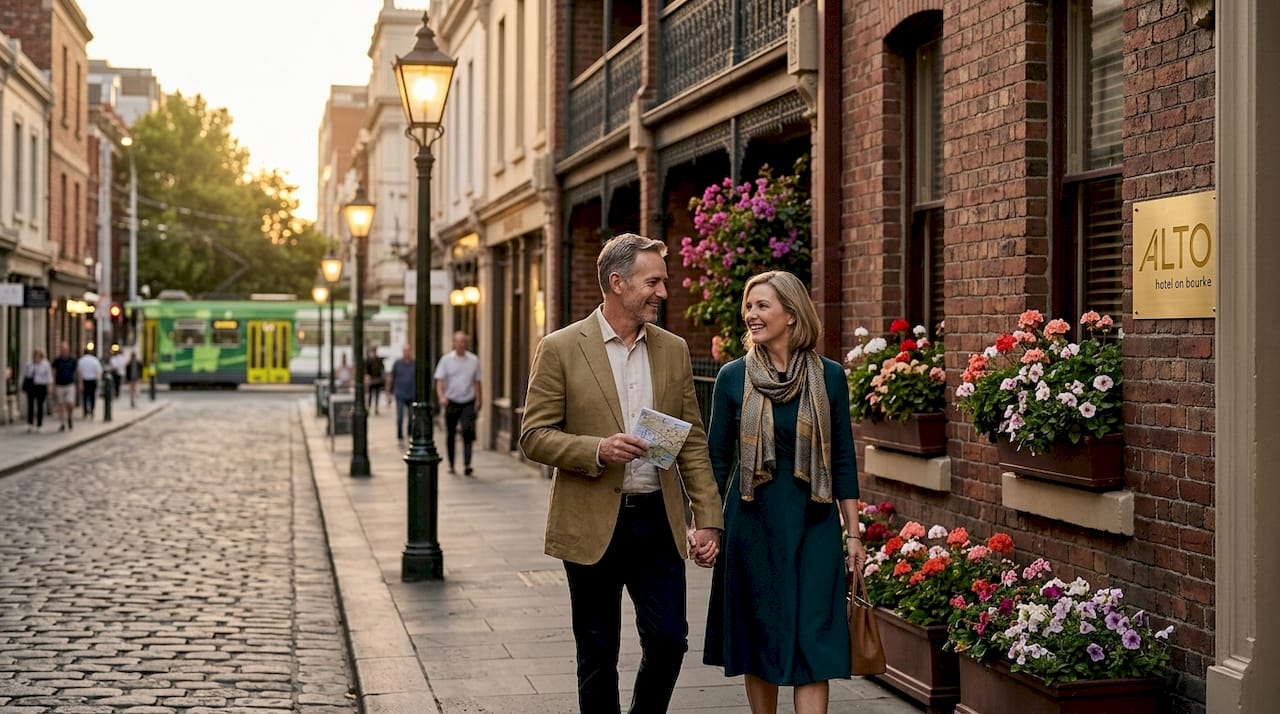
Natural scenery, quiet streets, and the balance between activity and retreat are the three pillars of romantic atmosphere in boutique settings. Soori Penang, located in Georgetown's UNESCO heritage zone, demonstrates this perfectly. The hotel sits in a bustling tourist zone yet delivers a peaceful courtyard experience the moment you step inside. That contrast, from vibrant street life to immediate stillness, is what creates the emotional shift couples seek.
Walkability is another underrated dimension of romantic pacing. When a hotel sits within easy reach of good restaurants, galleries, and waterfront promenades, couples spend less time in transit and more time in each other's company. The rhythm of a shared walk to dinner, or a spontaneous detour through a laneway, builds intimacy in ways that a hotel room alone cannot.
- Proximity to cultural landmarks increases positive emotional responses in guest reviews
- Quiet surroundings within the property counterbalance the energy of nearby activity
- Walkable neighbourhoods reduce logistical friction and increase shared experiences
- Natural scenery, whether coastal, garden, or urban heritage, amplifies the impact of scenery on romance
Pro Tip: When shortlisting hotels, open the map view on your booking platform and check what is within a 10-minute walk. Prioritise properties that sit close to dining and cultural attractions but face away from main traffic corridors.
What makes certain locations preferable for romantic boutique hotels?
Not all desirable locations are equal for romance. Boutique hotels tend to favour lively upscale areas, privileged settings such as clifftops and beachfronts, or quiet residential neighbourhoods with good transport access. Each setting type offers a different romantic register, and understanding the differences helps couples choose with precision.
Heritage neighbourhoods offer a sense of memory and identity that generic hotel districts simply cannot replicate. Staying in a converted terrace in a Victorian precinct, or a restored courtyard property in a colonial quarter, gives a couple the feeling that they are part of a living story. This is why boutique hotels differ from chain hotels in their location strategy. Chains optimise for visibility and volume. Boutique properties select sites that reinforce a specific emotional experience.
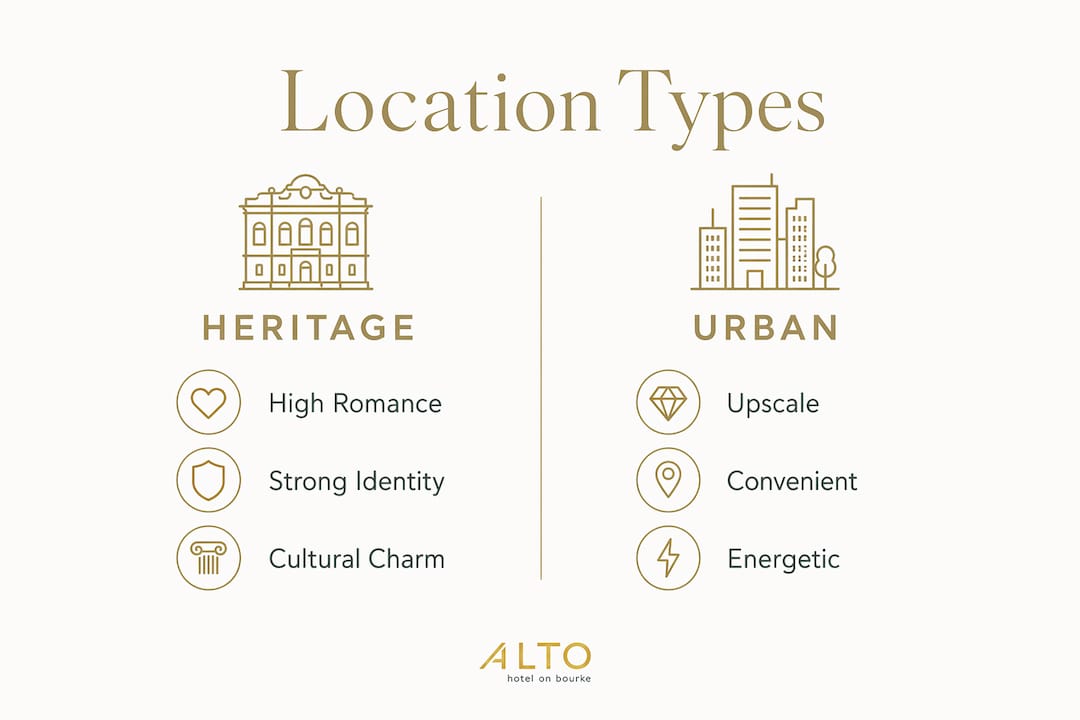
The table below compares the most common location types for romantic boutique hotels across key dimensions.
| Location type | Romance potential | Practical access | Best suited for |
|---|---|---|---|
| Heritage or cultural precinct | Very high, rich in identity and atmosphere | Moderate, often walkable but limited parking | Couples who value history and local character |
| Clifftop or coastal setting | Very high, strong impact of scenery on romance | Lower, often requires a car or transfer | Couples prioritising seclusion and natural beauty |
| Upscale urban neighbourhood | High, vibrant dining and cultural scene nearby | High, excellent transport links | Couples who want activity and convenience |
| Quiet residential area | Moderate to high, peaceful and unhurried | Moderate, best with nearby public transport | Couples seeking rest and a local feel |
| Secluded resort setting | High, total immersion and privacy | Low, typically fly-in or long drive | Couples on dedicated retreats or honeymoons |
The most consistently satisfying locations for romantic boutique stays are those that balance guest access and local charm. A clifftop property with no nearby dining requires more planning and can fragment the romantic mood. An upscale urban hotel with a heritage courtyard solves both problems at once.
How do boutique hotels embed location into the guest experience?
The best boutique hotels do not simply occupy a location. They operationalise it. Boutique hotels in 2026 are defined less by design aesthetics and more by behavioural precision, meaning the way staff, materials, food, and spatial layout all reflect the specific place the hotel inhabits. This coherence is what separates a genuinely romantic stay from one that merely looks good in photographs.
Local materials in the architecture and furnishings create a subconscious sense of belonging. When the timber on the walls comes from a nearby forest, or the ceramics on the breakfast table were made by a local artisan, guests feel connected to the place rather than suspended in a generic luxury bubble. This is why boutique hotels reflect local culture so deliberately. The connection between property and place is a design decision, not an accident.
- Local materials and artisan partnerships signal authenticity and deepen the sense of place
- Staff knowledge of the neighbourhood, from hidden restaurants to seasonal events, extends the location experience beyond the property boundary
- Room orientation and layout that frames views or gardens reinforces the emotional impact of the setting
- Curated in-room details, such as local produce, regional maps, and neighbourhood guides, invite couples to explore together
Pro Tip: Before booking, check whether the hotel's website mentions local suppliers, neighbourhood guides, or community partnerships. These signals indicate a property that has genuinely embedded its location into the guest experience rather than simply marketing it.
How does location affect the practical side of a romantic getaway?
Romance is fragile when logistics are difficult. A stunning property that requires a 90-minute transfer from the airport, followed by a confusing check-in process, can erode the mood before a couple even reaches their room. Location is a long-term strategic decision that shapes not just atmosphere but guest access and willingness to pay. For couples, this translates directly into how much of the trip is spent on romance versus on getting there.
Here is a practical framework for evaluating location logistics before you book:
- Check airport or station proximity. A hotel within 30 minutes of your arrival point sets a relaxed tone from the start. Longer transfers introduce fatigue and reduce the first evening's quality.
- Map the walking radius. Use Google Maps to identify restaurants, parks, galleries, and waterfront areas within a 15-minute walk. A walkable neighbourhood allows spontaneous shared experiences that scheduled transport cannot replicate.
- Read recent reviews for location-specific comments. Guests frequently mention noise levels, street safety, and proximity to specific attractions. These details rarely appear in hotel descriptions but consistently appear in reviews.
- Assess the surrounding streets at different times of day. A hotel on a quiet street at 10am may sit next to a busy loading zone at 7am. Street-level photographs on Google Street View reveal what marketing images conceal.
- Consider the return journey. A romantic getaway ends at the airport or train station. A hotel with easy access to departure points means the final morning is calm rather than rushed.
Location alongside word of mouth and price strongly predicts accommodation choice, according to a 2026 SmartPLS study of tourist behaviour. Couples who prioritise location in their decision-making report higher overall satisfaction, because the benefits compound across every moment of the stay.
What should couples consider when choosing a boutique hotel location?
Choosing the right location for a romantic boutique stay requires evaluating factors that go beyond the obvious. Couples should use both reviews and map views to assess spatial factors that affect mood and convenience, rather than relying solely on room aesthetics or star categories.
- Cultural authenticity of the neighbourhood. A hotel in a genuinely local precinct, with independent shops, markets, and community life, offers more romantic texture than one in a sanitised tourist corridor.
- Scale and exclusivity linked to location. Smaller boutique properties in residential or heritage zones tend to attract fewer large tour groups, preserving the intimacy of the experience.
- Spatial spillover from nearby landmarks. Proximity to a celebrated park, gallery, or waterfront adds ambient value to every moment spent outside the hotel, not just during planned visits.
- Avoiding overcrowded or generic areas. A hotel in a heavily commercialised zone may offer convenience but sacrifices the sense of discovery that makes boutique travel memorable. Choosing location in heritage zones deepens romance by imparting a sense of memory and identity that guests can feel through the boutique experience.
- Checking the hotel's relationship with its surroundings. Properties that acknowledge their neighbourhood through programming, partnerships, and local knowledge are more likely to deliver a coherent romantic experience than those that treat location as a backdrop.
Key takeaways
Location is the defining factor in a romantic boutique hotel stay, shaping atmosphere, pacing, emotional satisfaction, and the depth of connection couples feel with a place.
| Point | Details |
|---|---|
| Location outranks star rating | Spatial context shapes guest emotions more than official ratings, per sentiment analysis of hotel reviews. |
| The 'split' location effect matters | The best romantic settings balance proximity to vibrant activity with immediate quietness inside the property. |
| Walkability drives romance | Neighbourhoods within easy reach of dining and cultural sites increase shared spontaneous experiences. |
| Boutique hotels embed location deliberately | Local materials, staff knowledge, and design coherence translate a setting into a felt sense of place. |
| Logistics shape the romantic mood | Airport proximity, walkable streets, and low noise levels protect the quality of every moment of a stay. |
Why location is the one thing I never compromise on
I have reviewed and written about boutique hotels across Melbourne, regional Victoria, and internationally for over a decade. The single most consistent pattern I have observed is this: couples who choose a property based on room photography alone almost always wish they had paid more attention to where the hotel actually sits.
The mistake is understandable. Room imagery is seductive and easy to evaluate. Location requires more effort to assess and its benefits are harder to photograph. But the emotional payoff is disproportionate. A couple who can walk to a laneway wine bar, return through a heritage streetscape, and arrive back at a quiet property that feels like a private world has had a fundamentally different experience from one who spent the same money on a larger room in a noisier, less considered location.
The 'split' location effect, where a property sits close enough to life to feel connected but far enough inside itself to feel like a retreat, is the standard I apply when recommending any boutique stay. Soori Penang achieves it in Georgetown. Alto Hotel on Bourke achieves it in Melbourne's CBD. The city culture accessible from boutique accommodation like Alto's is precisely what makes the contrast with its calm interior so effective for couples.
My advice is simple. Before you book, spend five minutes on a map. Walk the virtual streets. Read three recent reviews that mention location specifically. That five minutes will do more for your romantic getaway than any upgrade.
— Kamal
Plan your romantic stay at Alto Hotel on Bourke

Alto Hotel on Bourke sits in Melbourne's CBD with immediate access to the city's best dining precincts, cultural institutions, and the Yarra River, while its eco-conscious design creates a calm, private atmosphere the moment you step inside. That contrast is exactly what couples seeking a genuine romantic retreat need from their base. The Petite Queen room is designed for couples who want intimacy without compromise, while the Studio King Plus offers additional space for those who want to linger. Explore the full range of options at Alto Hotel on Bourke and see how a well-chosen location transforms a city break into something genuinely memorable.
FAQ
How does location affect the romantic experience at a boutique hotel?
Location shapes the emotional tone of a stay from arrival to departure. Research on hotel sentiment shows that proximity to landmarks and transport access influences guest satisfaction more than star rating, making it the most important factor for couples to evaluate.
What type of location is best for a romantic boutique stay?
Heritage precincts, upscale urban neighbourhoods, and coastal settings consistently deliver the highest romantic potential. The ideal location balances walkable access to dining and culture with a quiet, private atmosphere inside the property.
Why do boutique hotels choose distinctive locations over central tourist zones?
Boutique hotels prioritise culturally rich or architecturally significant sites because location reinforces their identity and the intimacy of the guest experience. Unlike chain hotels, boutique properties use location as a core part of what they offer rather than a logistical convenience.
How can couples evaluate a hotel's location before booking?
Use map views to assess walkability to restaurants and attractions, read recent guest reviews for location-specific comments on noise and safety, and check the hotel's proximity to your arrival point. Spatial factors that affect mood are rarely captured in official hotel descriptions but appear consistently in guest feedback.
Does location matter more than room quality for a romantic getaway?
For most couples, yes. A well-located property with a modest room delivers more sustained romantic satisfaction than a luxurious room in a poorly positioned hotel, because location shapes every moment outside the room as well as the mood you return to it in.