
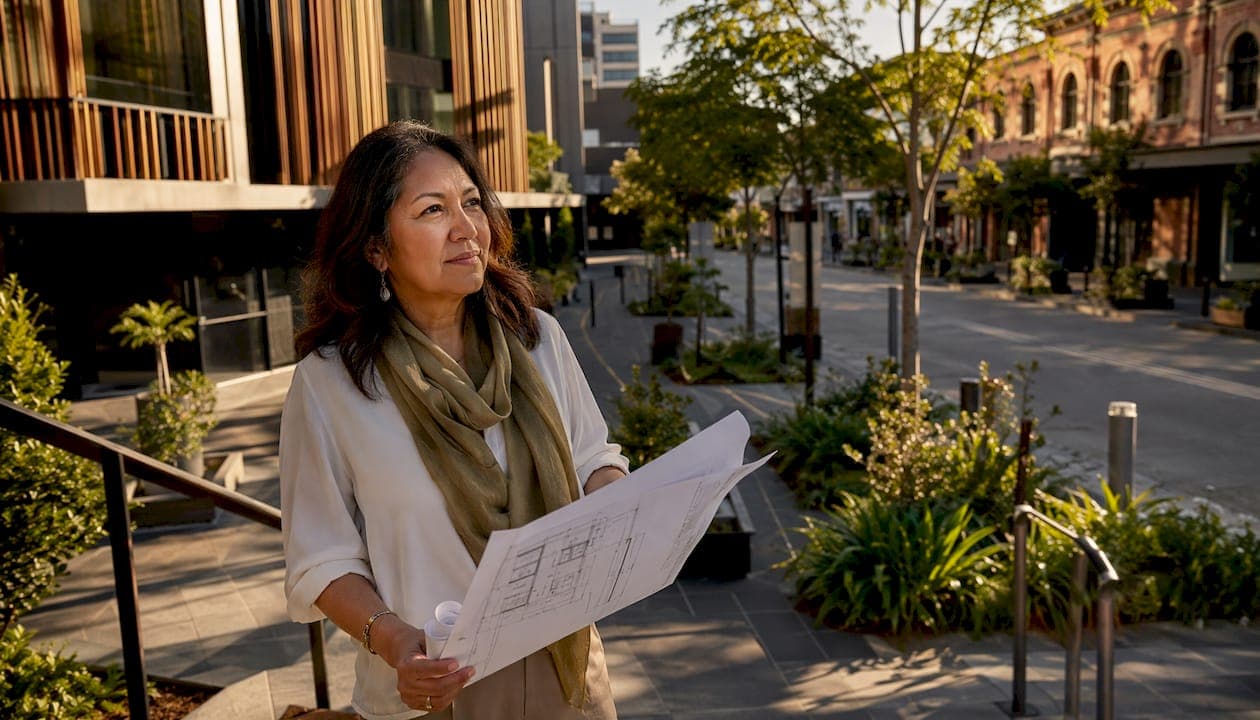
Eco hotels preserve neighbourhood character by restoring place-specific buildings, using native ecology and local supply chains, and embedding long-term community partnerships into their operations. That is the short answer. The longer one matters because the difference between a hotel that genuinely protects its surroundings and one that simply markets itself as green is measurable, verifiable, and consequential for the people who live nearby.
The mechanisms that make this work fall into five broad categories:
- Design and adaptive reuse: repairing existing buildings rather than demolishing them, using local materials, and avoiding a uniform brand aesthetic that erases local variety
- Native landscaping and biodiversity: planting species adapted to the local climate, removing invasives, and creating habitat features that support local fauna
- Low-impact operations: local procurement, water and energy efficiency, waste reduction, and traffic management
- Community integration: hiring local staff and artisans, co-hosting cultural events, and sharing economic benefits with the neighbourhood
- Monitoring and transparent reporting: using third-party certifications such as Ecotourism Australia and EarthCheck, publishing before-and-after data, and making supplier lists publicly available
Alto Hotel on Bourke in Melbourne, the Sustainable Hospitality Alliance, and Ecotourism Australia demonstrate that these are not just aspirational ideals. They are operational choices with documented outcomes.
Table of Contents
- How to assess a hotel's baseline impact on its neighbourhood
- Design and planning approaches that keep a hotel rooted in its place
- Landscape and ecological actions that support local biodiversity
- Operational practices that reduce negative neighbourhood impacts
- Community integration and cultural preservation: Alto Hotel on Bourke
- How to measure impact and avoid greenwash
- A practical checklist for managers, guests, and neighbours
- Key takeaways
- Why neighbourhood stewardship is the measure that actually matters
- Altohotel: a locally rooted stay in Melbourne's CBD
- Useful sources and further reading
How to assess a hotel's baseline impact on its neighbourhood
Before any preservation work begins, a hotel needs to know what it is actually affecting. Three impact domains matter most.
Built heritage footprint covers the physical relationship between the hotel and its surrounding streetscape: whether the building's scale, materials, and style sit comfortably within the existing urban fabric, or whether they overwhelm it.
Ecological footprint includes habitat loss, changes to local hydrology, species displacement, and the introduction of non-native plants or pests. In Australian urban contexts, this often means assessing the loss of canopy cover, the condition of any remnant vegetation, and the presence of urban wildlife corridors.
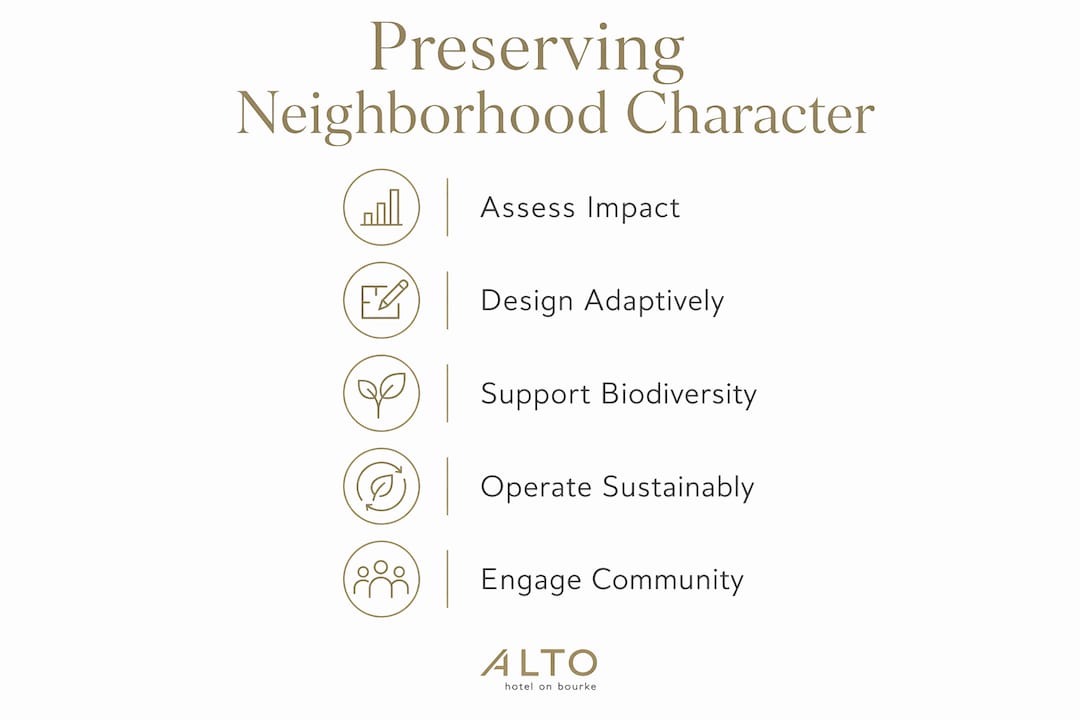
Social footprint covers employment patterns, cultural practice disruption, and whether the hotel draws economic value out of the neighbourhood or returns it.
Quick assessment steps for managers and neighbours:
- Map heritage assets within 200 metres: listed buildings, significant trees, public art, and streetscape features
- Conduct a simple biodiversity survey: photograph existing vegetation, note bird and insect species observed over two weeks, and record any invasive species
- Check traffic and noise: count peak vehicle movements and compare against council baseline data
- Map supplier origins: list the top 20 suppliers by spend and note their postcodes
A practical baseline timeline:
- Weeks 1–2: document the built environment and gather council heritage overlays
- Weeks 3–6: complete biodiversity and hydrology observations; photograph all green spaces
- Weeks 7–10: survey staff postcodes and supplier origins; conduct a noise and traffic audit
- Weeks 11–12: compile findings into a single baseline report with photographs, maps, and data tables for later comparison
Collecting this evidence upfront means that any future claim of positive impact can be verified against a real starting point, not a vague assertion.
Design and planning approaches that keep a hotel rooted in its place
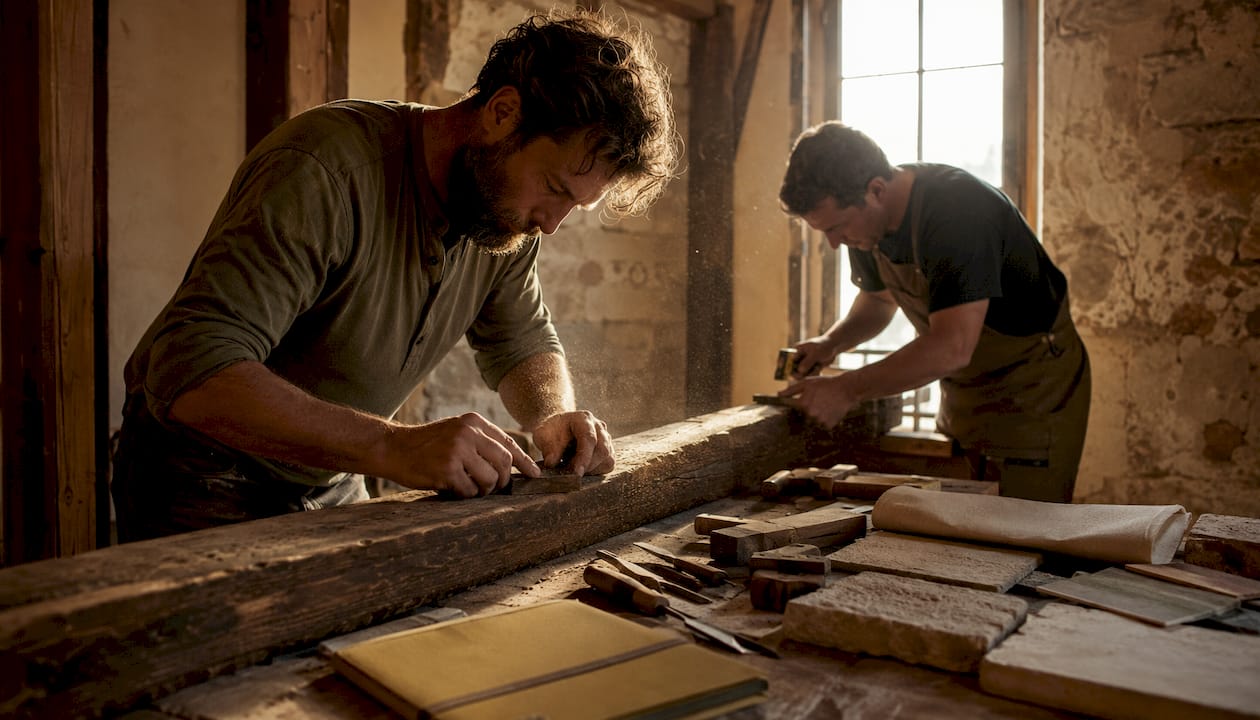
The most durable way to preserve neighbourhood character through design is to repair rather than replace. Adaptive reuse keeps historic buildings in active use, maintains the neighbourhood's visual memory, and avoids the embodied carbon cost of demolition and new construction. A hotel that occupies a restored warehouse or terrace row signals continuity with the street's history in a way that a purpose-built structure simply cannot.
Place-rooted material choices reinforce that signal. Local stone, recycled timber, limewash render, and compressed earth all carry the colour and texture of their region. They also age in ways that are consistent with neighbouring buildings, which matters for long-term visual coherence. Passive design techniques, including natural ventilation, thermal mass, and rainwater harvesting, reduce operational impacts while keeping guest comfort aligned with traditional local building approaches.
The subtler design discipline is restraint. The Lou Calen hotel in Provence demonstrates that discreet, site-sensitive design that lets existing irregularities remain can reinvigorate a village without creating a dominant, uniform hotel aesthetic. The hotel limits room numbers, integrates public circulation routes so the property does not feel gated, and programmes shared spaces so locals and guests use them together. That approach is directly transferable to Australian heritage precincts.
Design principles that protect neighbourhood character:
- Prioritise repair and adaptation of existing structures over demolition
- Source materials from local suppliers or salvage yards within a defined radius
- Retain original façade elements, rooflines, and street setbacks
- Avoid a single signature brand style that could be transplanted to any location
- Keep public access routes through or around the property open
Pro Tip: Before finalising any renovation design, walk the surrounding streets with a heritage architect and a local resident. The details that matter most to neighbourhood identity, a particular window proportion, a specific brick colour, a shared laneway, are often invisible in architectural drawings but immediately obvious on the ground.
Landscape and ecological actions that support local biodiversity
Native planting is the single most effective landscape action an Australian eco hotel can take. Species adapted to the local climate require less water, support local pollinators and birds, and create habitat continuity with surrounding green spaces. Removing invasive species, which often dominate neglected urban sites, is equally important: rewilding and invasive removal consistently lead to increased wildlife visits and more resilient local ecosystems.
Habitat features matter as much as plant selection. Log piles, rock arrangements, and dense nectar shrubs provide shelter and food for urban fauna. In Melbourne, that means designing for species like the common ringtail possum, blue-banded bees, and a range of honeyeaters, all of which respond quickly to improved urban habitat.
Practical landscape measures for Australian eco hotels:
- Select native species from local provenance seed stock, not generic nursery stock from interstate
- Create pollinator corridors by connecting plantings across the property boundary with neighbouring verges or parks
- Install green roofs or living walls where structural capacity allows, prioritising drought-tolerant natives
- Design rain gardens and on-site water capture systems to reduce stormwater runoff and recharge local groundwater
- Remove all exotic invasive species before establishing new plantings, and maintain a weed management schedule
Cosmetic or imported landscaping is one of the most common forms of greenwash. Authentic projects use species adapted to the local climate and materials sourced from the surrounding area. A garden of tropical palms in a Melbourne laneway is not ecological restoration; it is decoration.
Pro Tip: Contact your local Landcare group or Indigenous ranger programme before finalising plant lists. These groups hold detailed knowledge of which species historically occurred on your specific site, and many offer on-site consultations. In Victoria, the Landcare Victoria network can connect you with a local group within days.
Operational practices that reduce negative neighbourhood impacts
Day-to-day operations are where many hotels lose the gains made in design and landscaping. A beautifully restored building with a supply chain that sources food from interstate and generates significant waste undermines its own sustainability claims.
The operational levers that matter most:
- Set a procurement radius policy: sourcing food, beverages, and consumables locally keeps economic value local and reduces transport emissions
- Hire locally: prioritise staff from the immediate neighbourhood and invest in training programmes that build long-term skills
- Install low-flow fixtures and greywater recycling to reduce water consumption
- Use passive heating and cooling strategies, including cross-ventilation and thermal mass, before reaching for mechanical systems
- Implement a food waste composting programme and set measurable diversion targets
An operational checklist for managers:
- Document your current supplier postcodes and calculate the percentage sourced within 15 km
- Set a 12-month target to increase local procurement to at least 60% by spend
- Install a food waste tracking system and establish a relationship with a local composting or biogas provider
- Audit all fixtures for water efficiency and replace non-compliant fittings within six months
- Develop a traffic management plan for peak check-in and check-out periods, including guest transport options
- Publish an annual operational report with data on energy, water, waste, and procurement origin
Local procurement also reduces staff turnover indirectly. Employees who live nearby have shorter commutes, stronger community ties, and tend to stay longer. That stability benefits the hotel and the neighbourhood simultaneously.
For hotels looking to strengthen their sustainable food service practices, detailed operator guidance on local sourcing and waste reduction is available from specialist food service sustainability resources.
Community integration and cultural preservation: Alto Hotel on Bourke
Long-term neighbourhood character is maintained by social ties, not just physical ones. A hotel that hires locally, partners with artisans, co-hosts cultural events, and funds community projects becomes part of the neighbourhood's fabric rather than an extraction point. Community employment and local sourcing are consistent mechanisms by which hotels return economic value to neighbourhoods and help preserve intangible cultural heritage and skills.
Community integration tactics that work:
- Establish a community advisory panel that meets quarterly and includes local residents, traders, and cultural organisations
- Partner with local artisans to supply in-room products, artwork, and furniture, and display their names and stories in guest spaces
- Co-host cultural events, markets, and workshops that are open to the public, not just hotel guests
- Offer apprenticeships or training placements to local young people in hospitality, trades, and sustainability roles
- Publish a supplier directory that guests can access, connecting them to local makers and producers
Alto Hotel on Bourke in Melbourne's CBD is a working example of this approach. As one of the first environmentally rated hotels in the city, Altohotel has built its guest experience around partnerships with local artisans and organisations, with eco-conscious materials and design choices that reflect the character of its Bourke Street location. The hotel's Hall of Fame recognition in the Victorian tourism sector reflects sustained commitment rather than a one-off initiative. Guests who want to understand how boutique hotels connect with local makers will find that Altohotel's model is built on exactly this kind of embedded partnership.
"Sustainability ratings are important, but social integration — hiring locals and keeping strong neighbourhood ties — is equally decisive in ensuring a hotel is seen as an asset, not an extractive presence." Sustainability and heritage preservation in boutique hospitality
How to measure impact and avoid greenwash
Genuine neighbourhood preservation is measurable. Hotels that cannot produce before-and-after data, supplier lists, or third-party verification are making claims, not delivering outcomes.
Measurable indicators across the three impact domains:
- Built: percentage of original fabric retained, number of heritage elements restored, public access routes maintained
- Ecological: native plant cover (percentage of total landscaped area), species sightings recorded per quarter, invasive species removed (square metres), water captured on-site (kilolitres per year)
- Social: percentage of staff from within 5 km, percentage of procurement spend within 15 km, number of local cultural events co-hosted per year, number of artisan partnerships active
Trusted third-party signals to look for:
- Ecotourism Australia certification, which requires documented environmental management and community engagement
- EarthCheck membership, which benchmarks operational performance against verified industry data
- Green Star rating from the Green Building Council of Australia, which covers design and operational sustainability
- Published annual sustainability reports with actual data, not narrative summaries
"Simple verifiable trust signals include third-party certifications and memberships, transparent supplier lists, and published before/after monitoring for landscaping or heritage works." Repair over replacement: the eco-hotels turning heritage buildings into sustainable retreats
Greenwash phrases to distrust: "eco-friendly," "green," "sustainable," and "nature-inspired" with no supporting data. "We care about the environment" with no certification. Native-looking plants that are actually exotic cultivars. Vague claims about "supporting local communities" with no named partners or published outcomes.
Guests can verify claims by checking a hotel's published monitoring data, asking to see the supplier list, and looking for named community partners on the hotel's website. If the information is not publicly available, that absence is itself a signal.
A practical checklist for managers, guests, and neighbours
For hotel managers:
- Conduct a baseline assessment covering built heritage, ecology, and social footprint before any works begin
- Implement adaptive reuse as the default design approach; document every heritage element retained
- Set a formal local procurement radius (10–15 km) and measure compliance quarterly
- Partner with at least three local artisans or cultural organisations and name them publicly
- Monitor biodiversity quarterly and publish results annually
- Seek Ecotourism Australia or EarthCheck certification within 24 months of opening
For guests and neighbours:
- Look for native plants in the hotel's landscaping; ask staff what species they are and where they came from
- Check whether the hotel publishes a supplier list or names its artisan partners
- Ask where staff live and whether the hotel runs any local training programmes
- Look for third-party certifications displayed on the website, not just self-declared "green" labels
- Check for published annual reports with actual data on energy, water, waste, and procurement
Red flags that suggest cosmetic sustainability:
- Imported or exotic plants presented as "natural" landscaping
- Vague "green" claims with no certification, data, or named partners
- No monitoring data available, even on request
- Staff and suppliers sourced entirely from outside the local area
- Heritage elements removed or concealed rather than restored
For guests who want to go deeper on choosing an environmentally rated boutique hotel, the verification steps above translate directly into questions worth asking before you book.
Key takeaways
Eco hotels that genuinely preserve neighbourhood character combine adaptive reuse, native ecology, local procurement, community employment, and transparent monitoring into a single, integrated approach rather than treating any one of these as sufficient on its own.
| Point | Details |
|---|---|
| Repair over replacement | Adaptive reuse of existing buildings preserves heritage fabric and avoids the carbon cost of demolition. |
| Native ecology first | Planting local provenance species and removing invasives delivers measurable biodiversity gains that imported landscaping cannot replicate. |
| Local procurement radius | A 10–15 km sourcing policy keeps economic value in the neighbourhood and reduces transport emissions. |
| Verify, don't just trust | Third-party certifications (Ecotourism Australia, EarthCheck, Green Star) and published monitoring data are the only reliable proof of genuine practice. |
| Altohotel as a local model | Alto Hotel on Bourke demonstrates embedded artisan partnerships, eco-conscious materials, and sustained Victorian tourism recognition as a working Melbourne example. |
Why neighbourhood stewardship is the measure that actually matters
Most sustainability conversations in hospitality focus on energy and water metrics. Those matter, but they are internal measures. The harder question, and the more revealing one, is whether the neighbourhood is better off because the hotel is there.
That question shifts the frame entirely. A hotel can achieve excellent energy ratings while still erasing local heritage, importing its entire supply chain, and employing nobody from the surrounding streets. The metrics look good; the neighbourhood gets nothing.
What the evidence consistently shows is that the hotels with the strongest long-term community standing are the ones that treated neighbourhood stewardship as a design constraint from day one, not a communications strategy applied after the fact. Restraint in design, specificity in plant selection, transparency in reporting, and genuine employment of local people are not marketing positions. They are operational commitments that either show up in the data or they do not.
For guests, the practical takeaway is simple: ask for the evidence. A hotel that is genuinely doing this work will have it ready. One that is not will offer you a brochure.
Altohotel: a locally rooted stay in Melbourne's CBD
Alto Hotel on Bourke offers something specific: a Melbourne CBD stay where the sustainability commitments are built into the fabric of the property, not bolted on as a marketing layer. As one of the city's first environmentally rated hotels, Altohotel works with local artisans, uses eco-conscious materials throughout its rooms and apartments, and has maintained the kind of sustained community and environmental engagement that earned it Hall of Fame recognition in the Victorian tourism sector.
For travellers who want their accommodation choice to actively support the neighbourhood they are visiting, rather than simply occupying it, the Studio Queen is a practical starting point. Book directly through the Altohotel website for exclusive direct-booking offers and to put your spend where the local economy benefits most.
Useful sources and further reading
- Sustainable Hospitality Alliance: How can hotels protect local biodiversity? — The primary industry framework for biodiversity protection in hotel operations; most useful for managers building a biodiversity strategy.
- Repair over replacement: eco-hotels turning heritage buildings into sustainable retreats — Case studies of adaptive reuse and community-based models; useful for managers and guests wanting real-world design examples.
- Lou Calen hotel: discreet design that reinvigorates a village — Illustrates how restrained, site-sensitive design protects neighbourhood visual character; useful for design and planning decisions.
- Sustainability and heritage preservation in boutique hospitality (Theseus) — Academic study on the social and cultural benefits of heritage-based boutique hotels; useful for managers making the case for community investment.
- Rooted in the wild: Anand Shekhawat's eco-luxury lodge in Sariska — Practical example of native planting, invasive removal, and hyper-local sourcing; useful for landscape and procurement planning.
- Green transition in hospitality: market forces and sustainable performance (PMC) — Peer-reviewed research on green innovation and sustainable performance in hotels; useful background for managers building a business case.
- Environmental and carbon footprint of tourist accommodation (University of Surrey) — Life cycle impact assessment benchmarks for hotel categories; most useful for managers assessing embodied and operational carbon.
- Why opt for local experiences: the 2026 guide — Explains the value of local experiences for travellers; useful for guest programming and community partnership rationale.