
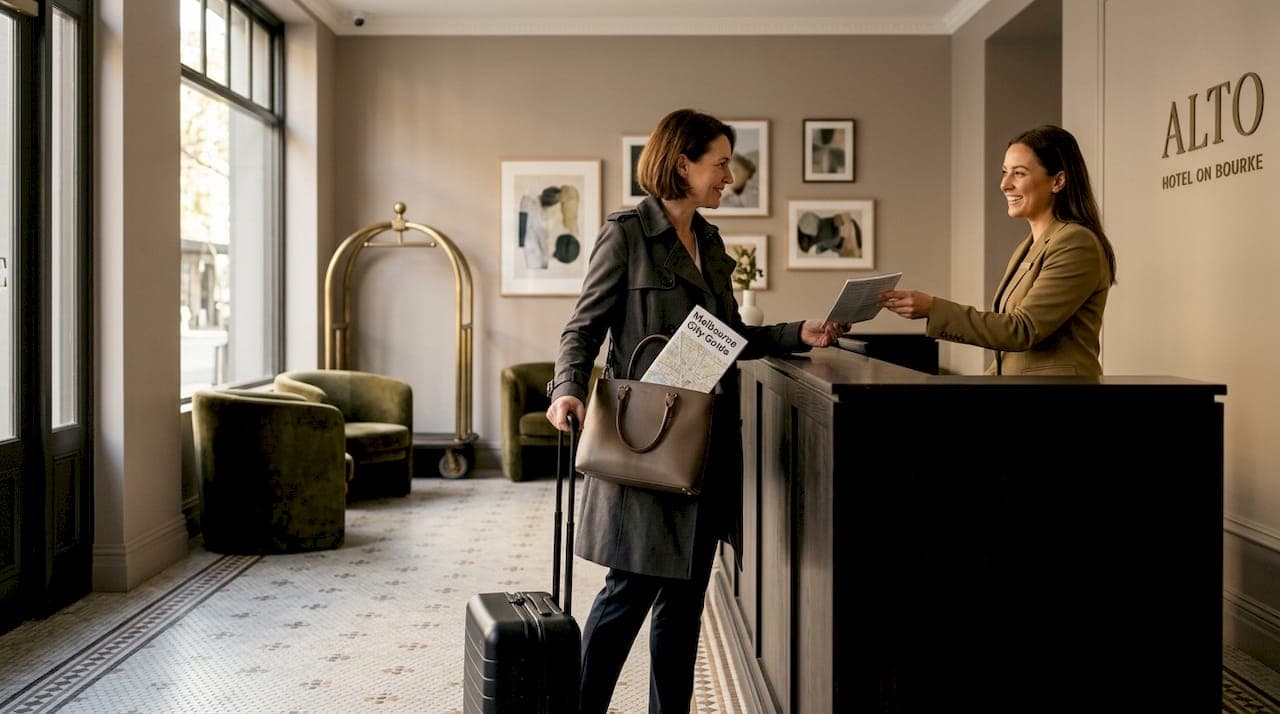
Most travellers land in a new city, check into a generic hotel near the airport or CBD, and spend their stay treating accommodation as a base camp rather than a cultural gateway. The result? They miss the galleries tucked into converted warehouses, the neighbourhood cafés where locals actually eat, and the stories embedded in the streets around them. When you explore city culture from boutique accommodation, you change the entire equation. Your hotel becomes a lens through which the city reveals itself. This guide will show you how to find, choose, and make the most of boutique stays that genuinely connect you to local heritage, art, and community.
Table of Contents
- Key takeaways
- What makes boutique accommodation worth choosing
- How to research and select the right property
- Making the most of your stay
- Avoiding the boutique trap
- What you gain from getting this right
- My honest take on boutique cultural travel
- Stay culturally connected with Altohotel
- FAQ
Key takeaways
| Point | Details |
|---|---|
| Boutique hotels are culturally distinct | They centre on a single cultural identity, not just small size, making them ideal for immersive travel experiences. |
| Location is a cultural asset | Staying in walkable, arts-rich neighbourhoods removes friction and opens up spontaneous cultural exploration. |
| Authentic sustainability goes deeper | The best properties build local supplier networks and community programmes, not just swap plastic straws for bamboo ones. |
| Verify before you book | Check for adaptive reuse, documented heritage conservation, and genuine community involvement rather than marketing language. |
| Your stay is an active experience | Engage with onsite programming, ask staff for insider tips, and participate in sustainability initiatives to get the most out of your visit. |
What makes boutique accommodation worth choosing
The word "boutique" gets thrown around loosely in travel marketing, so it pays to understand what it actually means before you book anything. Boutique hotels are typically under 100 rooms, with the emphasis on intimate, personalised service rather than scale. But size alone does not make a hotel boutique in any meaningful sense.
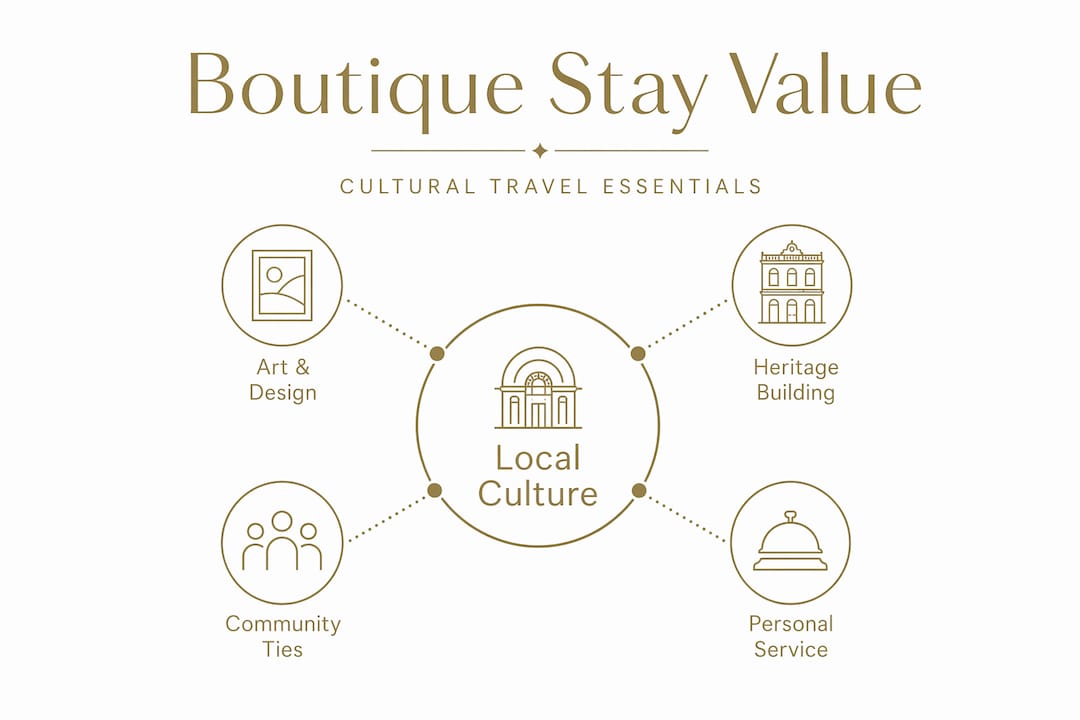
The real distinction is identity. A genuine boutique property is built around a single cultural or experiential focus. That might be a commitment to showcasing local artists, a design language drawn from the building's original history, or a food programme rooted in the surrounding neighbourhood. 77% of travellers want authentic cultural representation in their stays, and boutique hotels are structurally better placed to deliver that than chain properties constrained by brand standards.
Here is what separates a genuinely cultural boutique stay from one that simply has exposed brick and a curated playlist:
- A defined cultural identity: The property's design, programming, and partnerships all point to the same story about the place it occupies.
- Personalised engagement: Staff who know the neighbourhood and can direct you to experiences you would not find on a travel app.
- Local supplier relationships: Food, art, and furnishings sourced from the surrounding community rather than a central purchasing catalogue.
- Active cultural programming: Events, residencies, exhibitions, or workshops that change regularly and reflect what is happening in the city right now.
Pro Tip: When browsing boutique hotel websites, look for specific names. If they mention a local artist by name, a particular heritage conservation project, or a named community partner, that specificity is a strong signal of genuine cultural grounding.
How to research and select the right property
Choosing the right boutique hotel for a cultural exploration trip requires more than reading star ratings. You need to evaluate authenticity across several dimensions before you commit.
-
Check for adaptive reuse. The strongest indicator of genuine heritage connection is a building with a documented history. Soori Penang, a 15-room boutique hotel in George Town, Malaysia, operates from restored historic shophouses that retain their heritage status. The building itself is the cultural experience. Look for hotels that can point to conservation records, original architectural features, or a named heritage listing.
-
Prioritise walkable cultural districts. Location is not just a convenience factor. It determines how much cultural friction you face each day. Casa Laveni in Milan's Brera district places guests within walking distance of major galleries, independent bookshops, and neighbourhood markets. When your hotel sits inside a living cultural district, spontaneous discovery becomes part of the daily rhythm.
-
Evaluate sustainability for community depth. Eco-friendly amenities are table stakes now. What distinguishes the best cultural accommodation is whether sustainability extends into the community. Sun Siyam Pasikudah removed single-use plastics and actively involves guests in coastal cleanups and community empowerment programmes. That is a fundamentally different proposition from a hotel that simply offers recycling bins.
-
Look for cultural programming, not just décor. Luxury hotels are redefining their role via arts-focused programming, attracting culturally curious travellers who want more than a beautiful room. Ask the property directly: do they host artist residencies? Do they run curated neighbourhood tours? Are there regular events open to guests and locals alike?
| Evaluation criteria | What to look for | Red flag |
|---|---|---|
| Building heritage | Documented conservation, named listing | Vague "historic feel" language |
| Location | Named cultural district, walkable to galleries | "Central location" with no specifics |
| Sustainability | Community programmes, local suppliers | Eco-amenities only, no community link |
| Cultural programming | Residencies, exhibitions, workshops | Rotating art prints in corridors |
Pro Tip: Search for the hotel's name alongside terms like "artist residency" or "heritage conservation" rather than just reading their own website. Third-party coverage tells you far more about genuine cultural engagement.
Making the most of your stay
Booking the right property is only half the work. How you engage during your stay determines the depth of your cultural experience.
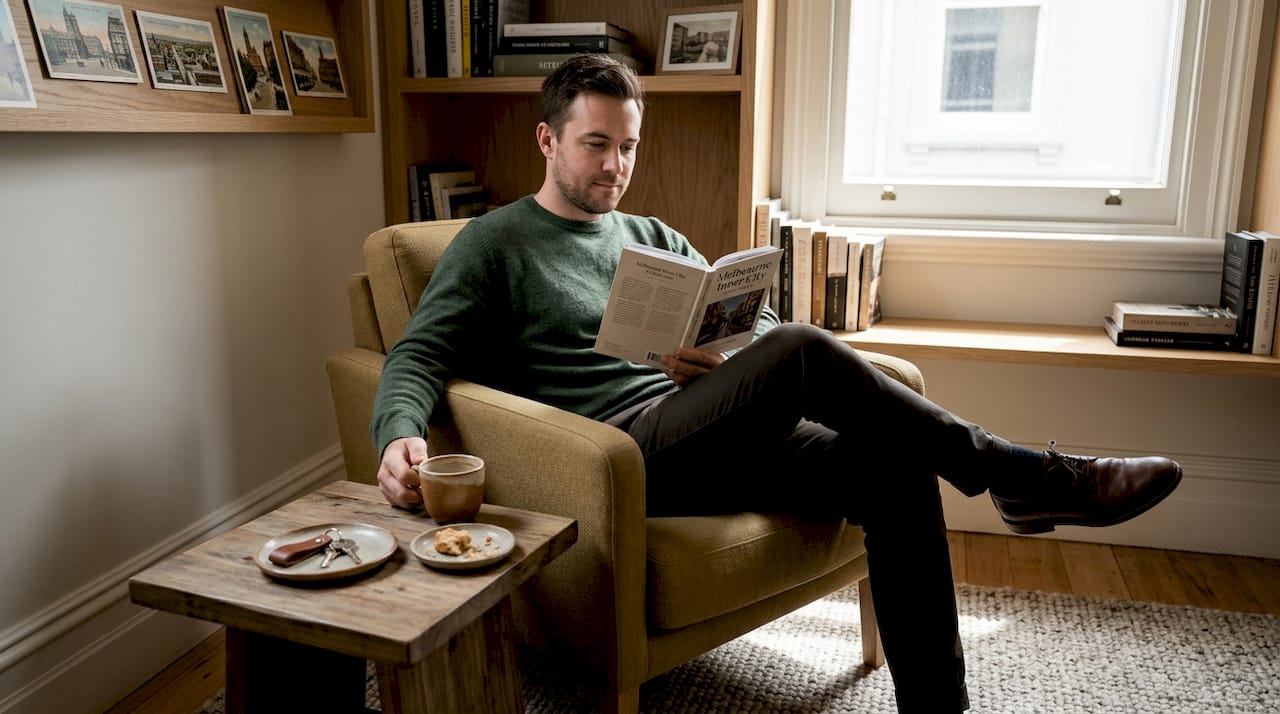
The most direct route to authentic city culture experiences is through the hotel's own programming. Casa Monti in Rome transforms its Art Suite into a living artwork that changes with each residency, creating a direct dialogue between the guest's stay and the city's contemporary art scene. When your hotel offers something like this, prioritise it over a standard tourist itinerary. These are curated moments you cannot replicate independently.
Use your location deliberately. A boutique hotel in a cultural district is most valuable when you treat the surrounding streets as an extension of the property. Walk to the local market on Saturday morning. Visit the gallery two blocks away on a Tuesday afternoon when it is quiet. Eat at the café the concierge mentioned, not the one with the highest rating on a review app. The distinction matters because locals' favourite neighbourhoods reveal themselves through repeated, unhurried visits, not a single rushed afternoon.
- Ask staff for specific recommendations, not general ones. "Where do locals eat?" is less useful than "Where would you take a friend visiting for the first time?" The second question invites a personal answer.
- Participate in sustainability initiatives. Whether it is a community cleanup, a locally sourced breakfast programme, or a partnership with a neighbourhood cooperative, these activities connect you to the city in ways that sightseeing cannot.
- Attend onsite events open to non-guests. The best boutique hotels function as neighbourhood hubs. Ravenna's Albergo del Cuore integrates local food cooperatives and sustainable mobility options, making the hotel a genuine part of the community rather than a bubble within it.
- Keep one morning unplanned. The most memorable cultural discoveries tend to happen when you are not following a schedule.
Pro Tip: Tell the front desk what specifically interests you, whether that is street art, independent music, food history, or architecture. A good boutique hotel team will give you a completely different set of recommendations depending on what you tell them.
Avoiding the boutique trap
Not every property that calls itself boutique deserves the label. Recognising the difference before you book saves you from paying a premium for a standard hotel with a moodier colour palette.
-
Scrutinise the language. Words like "inspired by local culture" or "boutique-style" are marketing hedges. A hotel with genuine cultural grounding will name specific artists, specific heritage features, or specific community partners. Vagueness is a signal.
-
Check for community involvement beyond the property boundary. A hotel that only talks about what happens inside its walls is not functioning as a cultural platform. Real engagement means partnerships with local organisations, participation in neighbourhood events, and staff drawn from the surrounding community.
-
Balance culture with comfort honestly. Smaller properties sometimes have limited amenities. That is a fair trade-off for many travellers, but go in with clear expectations. Read reviews that specifically mention the room quality, noise levels, and service consistency, not just the design or vibe.
-
Identify greenwashing early. Sustainability claims without specifics are a warning sign. Look for certifications, named environmental programmes, or documented community partnerships. Altohotel, for example, holds recognised environmental ratings and has built its identity around verifiable eco-conscious practices rather than aspirational language.
What you gain from getting this right
When you choose thoughtfully and engage actively, the rewards go well beyond a pleasant stay. You come away with a genuinely richer understanding of the city's history, its contemporary creative scene, and the people who actually live there. That is a fundamentally different outcome from a standard tourist experience.
"The best boutique stays do not just show you a city. They give you a way of reading it. You leave knowing how to look, not just what to look at."
Memorable travel is built from specific moments: a conversation with a local artist at a hotel exhibition, a neighbourhood walk that reveals a street you would never have found on a map, a meal sourced from a cooperative two suburbs over. These are the experiences that distinguish cultural exploration trips from ordinary holidays.
There is also a broader benefit worth acknowledging. Choosing artistic boutique lodgings that are genuinely embedded in their communities supports sustainable tourism in a direct way. Your accommodation spend goes to local suppliers, local staff, and local conservation efforts rather than a corporate headquarters in another country.
My honest take on boutique cultural travel
I've stayed in boutique hotels that changed the way I understood a city, and I've stayed in ones that were just small hotels with expensive candles. The difference is almost always visible within the first hour of arrival.
What I've learned is that the intimate scale of a genuine boutique property creates a kind of cultural permission. You feel less like a tourist and more like a temporary resident. Staff know your name. The neighbourhood feels accessible rather than overwhelming. That psychological shift changes how you move through a city.
The challenge I've found is resisting the temptation to over-programme the stay. The value of a stylish city retreat in a cultural district is precisely the unstructured time it enables. My advice is to book one or two curated experiences through the hotel and leave the rest open. The city will fill the gaps in ways no itinerary can predict.
Responsible tourism through boutique accommodation is not a compromise. It is a better version of travel, full stop.
— Kamal
Stay culturally connected with Altohotel
Altohotel brings together everything this guide recommends: a boutique scale that prioritises personalised service, a location in Melbourne's Bourke Street precinct that puts you within walking distance of the city's cultural heart, and a verified commitment to sustainability that extends well beyond eco-amenities. As one of Melbourne's first environmentally rated hotels and a Victorian tourism Hall of Fame recipient, Altohotel offers studio and apartment-style rooms designed with eco-conscious materials and local partnerships woven into the guest experience. If you are planning your next immersive travel experience in Melbourne, this is where authentic urban culture and responsible accommodation meet without compromise.
FAQ
What defines a boutique hotel for cultural travel?
A boutique hotel built for cultural travel is typically under 100 rooms, centred on a single cultural identity, and actively engaged with the local community through programming, partnerships, and location.
How do I verify a boutique hotel's heritage claims?
Look for documented adaptive reuse projects, named heritage listings, and third-party conservation records. Specific details about the building's history are a reliable indicator of genuine heritage connection rather than decorative styling.
Why does location matter so much for city culture experiences?
A hotel in a walkable cultural district removes the logistical barrier between you and authentic local life. Properties in areas like Milan's Brera district demonstrate how proximity to galleries, markets, and neighbourhood landmarks makes spontaneous cultural discovery a natural part of each day.
What is the difference between genuine sustainability and greenwashing in boutique hotels?
Genuine sustainability involves community cooperation and shared responsibility, including local supplier networks, community employment, and guest participation in environmental programmes. Greenwashing relies on vague eco-language without verifiable commitments.
How can I get the most cultural value from a boutique hotel stay?
Engage with the hotel's onsite programming, ask staff for specific neighbourhood recommendations, participate in any community or sustainability initiatives offered, and leave time in your schedule for unplanned exploration of the surrounding streets.