

Community-supported hotel programs are hospitality initiatives that actively involve and benefit local communities through profit sharing, social projects, and sustainability efforts. The industry term for this model is "community-based tourism," and the best examples of community-supported hotel programs show how hotels can generate real social and economic change. Posada Amazonas in Peru distributes 75% of profits to the Ese Eja community, benefiting more than 150 families. Kasbah du Toubkal in Morocco applies a 5% surcharge on every guest stay to fund local education and infrastructure. These are not token gestures. They are structured, governed, and measurable.
1. What are some outstanding examples of community-supported hotel programs worldwide?
The most impactful community-driven hotel initiatives share one trait: they put local people in charge of how benefits flow. The following examples span three continents and show how different models can work.
Posada Amazonas, Peru
Posada Amazonas is a joint venture between Rainforest Expeditions and the Ese Eja native community of Infierno. The profit-sharing model directs 75% of lodge profits to the community, supporting more than 150 families. That figure is not symbolic. It funds healthcare, education, and local infrastructure decided by a community governance committee, not by the hotel operator.
- Majority community ownership with a formal governance structure
- Local guides, cooks, and staff employed from the Ese Eja community
- Profits fund community-decided projects, not a corporate CSR budget
Kasbah du Toubkal, Morocco
Kasbah du Toubkal sits in the Atlas Mountains and applies a 5% levy to every booking. The funds go into a locally managed account that has supported more than 500 girls through the Education For All programme. The same fund has paid for ambulances and rubbish removal in surrounding villages. Travellers see exactly where their surcharge goes, which builds genuine trust.
- Transparent levy linked to named projects
- Locally managed fund, not a hotel-controlled account
- Tangible infrastructure outcomes beyond education
JW Marriott Marquis Dubai, UAE
JW Marriott Marquis Dubai launched its 'Good Company' membership in april 2026, offering Dubai residents savings of up to 55% across dining, wellness, and events. The programme repositions the hotel as a lifestyle hub for locals rather than an exclusive space for international guests. That shift in identity is significant for large urban hotels looking to build year-round community relevance.
- Resident-focused membership with verified savings
- Hotel spaces used for local social and cultural events
- Designed to integrate the hotel into daily neighbourhood life
Buurthotel, Amsterdam
The Buurthotel initiative connects Amsterdam hotels with local councils and residents through a co-tourism concept. Hotels host workshops, art exhibitions, and community events, making them genuine neighbourhood facilities. The model proves that hotels do not need to be in remote destinations to run meaningful community programmes.

Pro Tip: When researching community-based tourism options, look for hotels that name their community partners publicly. A hotel that lists specific organisations, families, or funds is far more credible than one using vague language about "giving back."
2. How do community-supported hotel programs operate?
The operational backbone of any genuine community-supported programme is governance. Without a structure that gives local people decision-making power, profit sharing becomes charity rather than partnership.
[Community-owned lodges](https://www.rainforest expeditions.com/ese-eja-native-community-of-infierno/community-partnership/) use committees made up of community members to direct funds and set priorities. At Posada Amazonas, the committee decides which projects receive funding each year. That model aligns the hotel's commercial success with the community's actual needs, not a hotel marketer's idea of what those needs might be.
Levy and surcharge models work differently. Kasbah du Toubkal's locally managed fund receives the 5% surcharge and distributes it independently of the hotel's operating budget. This separation matters. It means the fund cannot be redirected if the hotel faces a difficult financial year.
Local sourcing and employment are the third pillar. Hotels that hire locally and source food from nearby producers keep money circulating in the regional economy. This is a quieter form of community support, but it compounds over time. A kitchen that buys from local farmers for a decade creates more lasting economic impact than a one-off donation.
- Establish a formal governance committee with community representation
- Ring-fence community funds separately from hotel operating accounts
- Publish annual reports showing fund allocation and outcomes
- Prioritise local employment at every level, not just entry-level roles
- Source food and materials locally wherever supply chains allow
3. What innovative ways do hotels engage visitors and local residents?
The most forward-thinking sustainable hotel programmes treat the hotel building itself as a community asset. This goes well beyond offering locals a discount on a Sunday brunch.
The Buurthotel model in Amsterdam is the clearest example. Hotels in the programme host neighbourhood workshops, social events, and creative projects. The goal is social cohesion, not revenue from locals. That distinction separates genuine community engagement from a marketing tactic dressed up as one.
Membership programmes like JW Marriott Marquis Dubai's 'Good Company' take a different approach. They use financial incentives to bring residents through the door, then build social connection once those residents are inside. The up to 55% savings are the hook, but the community events and shared spaces are the substance.
- Workshops and skills programmes: Hotels open meeting rooms and kitchens for community-run classes
- Local art and cultural exhibitions: Lobby and corridor spaces used to showcase neighbourhood artists
- Co-tourism events: Guided experiences led by local residents for visiting guests
- Resident social memberships: Structured access programmes that make locals regular visitors
Pro Tip: If you want a stay that genuinely connects you with local culture, ask the hotel directly whether their community events are open to guests. Hotels running authentic programmes will have a clear answer and a schedule.
Understanding how hotels support local creative communities gives you a practical lens for evaluating whether a hotel's community claims are real or performative.
4. How to choose hotels with genuine community programs
Choosing a hotel with a real community programme requires more than reading the sustainability page on a hotel website. Self-reported claims are easy to make and hard to verify.
Independent third-party certification is now the standard the World Travel and Tourism Council and EU regulators expect. The shift from self-assessment to mandatory external verification means travellers have a reliable filter. Look for certifications from bodies like the Global Sustainable Tourism Council (GSTC) rather than in-house badges.
Sustainability-linked certifications also correlate with better guest outcomes. Verified sustainability programmes have been linked to revenue uplifts and higher guest satisfaction, which means certified hotels have a commercial reason to maintain their standards. That alignment of incentives matters when you are deciding where to book.
| What to look for | Why it matters |
|---|---|
| Named community partners | Proves the relationship is real, not aspirational |
| Third-party sustainability certification | Provides independent verification of claims |
| Published fund allocation reports | Shows money actually reaches the community |
| Local employment at management level | Indicates genuine power sharing, not tokenism |
| Locally sourced food and materials | Keeps economic benefit in the regional economy |
A guide on choosing an environmentally rated boutique hotel walks through the specific certifications and social criteria worth checking before you book.
Key takeaways
The most effective community-supported hotel programmes combine formal governance, transparent fund management, and local employment to create lasting social and economic benefit.
| Point | Details |
|---|---|
| Governance is the foundation | Community committees that control funds create real accountability, not just goodwill. |
| Transparent levies build trust | Named surcharges linked to specific projects, like Kasbah du Toubkal's 5% fund, are more credible than vague pledges. |
| Third-party certification matters | Independent verification from bodies like GSTC separates genuine programmes from marketing claims. |
| Local employment multiplies impact | Hiring locally at all levels keeps money circulating in the community long after a guest checks out. |
| Hotels can be neighbourhood assets | The Buurthotel model shows urban hotels can build social cohesion without being in a remote destination. |
Why community hotel programs matter more than most travellers realise
I have spent years watching travellers choose accommodation based on aesthetics and price, then wonder why their trip felt hollow. The missing ingredient is almost always connection. Not the manufactured kind you get from a cultural performance laid on for tourists, but the real kind that comes from staying somewhere that is genuinely woven into its community.
What strikes me most about the best examples, Posada Amazonas, Kasbah du Toubkal, the Buurthotel network, is that they all started with a governance decision, not a marketing one. Someone decided that local people would hold real power over how money was spent. Everything else followed from that.
The challenge for travellers is that authentic programmes are harder to find than polished ones. A hotel with a beautiful website about sustainability and community may have less real impact than a modest property with a published annual report showing exactly which families benefited and by how much. Learning to read the difference is a skill worth developing.
My honest view is that the growth of third-party certification is the most important shift in this space right now. When independent verification becomes standard, travellers stop having to take hotels at their word. That accountability changes behaviour on both sides. Hotels invest more seriously in community programmes when they know those programmes will be audited. Travellers book with more confidence when they know the claims have been checked.
If you are serious about community-driven travel, start by asking one question before you book: who decides where the money goes? The answer tells you almost everything.
— Kamal
Altohotel and community-supported hospitality in Melbourne
Altohotel on Bourke is one of Melbourne's first environmentally rated boutique hotels, and its approach to hospitality reflects many of the principles that define the best community-based tourism models globally. The hotel works with local artisans and organisations to shape the guest experience, keeping economic and cultural value within the Melbourne community.
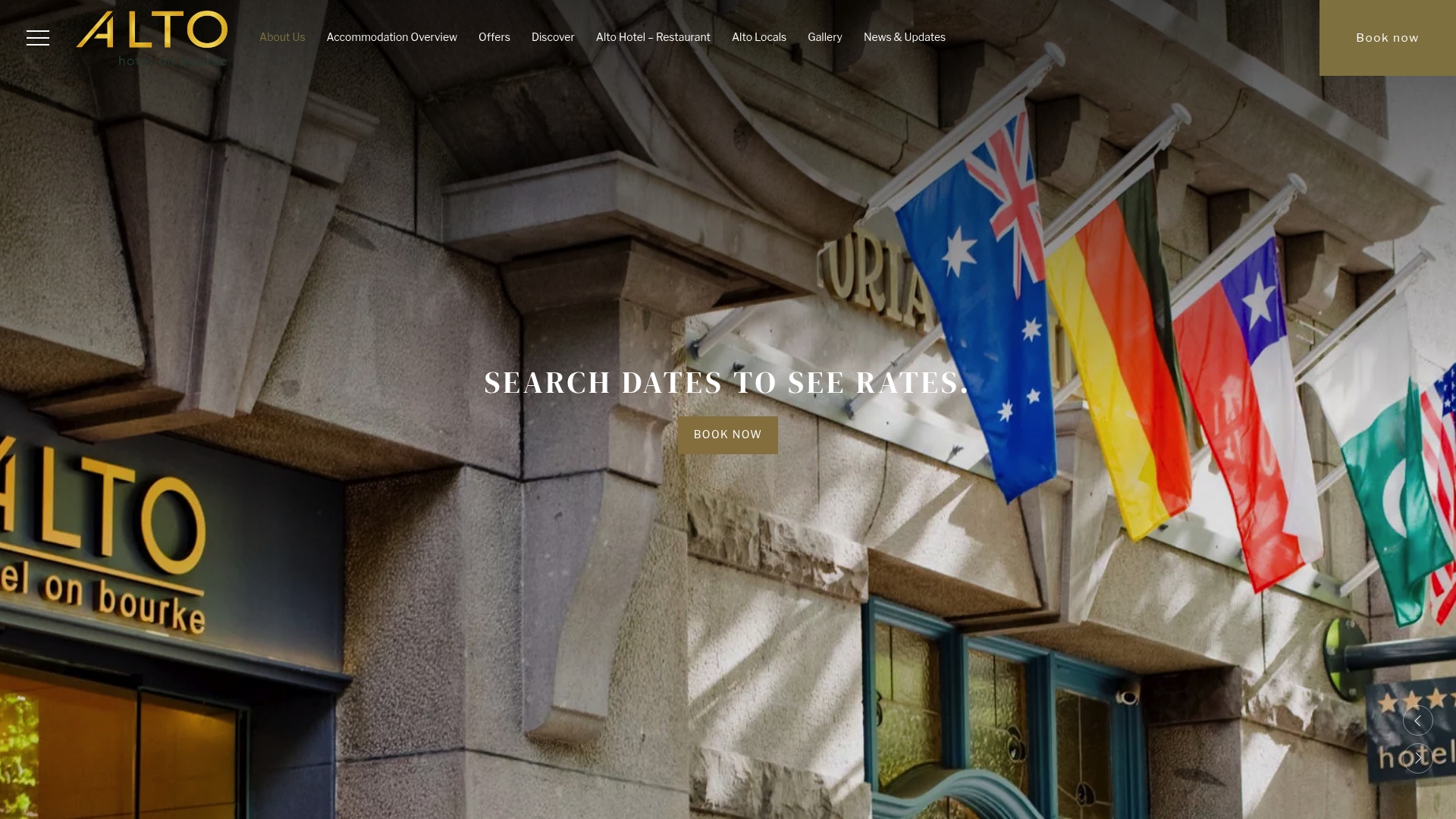
Altohotel has earned Hall of Fame recognition in the Victorian tourism sector, a result of consistent investment in both sustainability and local partnerships. Whether you choose a 2 bedroom deluxe apartment for a longer stay or a studio queen for a city break, you are staying in a property that takes its community responsibilities seriously. Booking with Altohotel is a practical way to support local hotels that put those values into practice.
FAQ
What is a community-supported hotel program?
A community-supported hotel programme is a hospitality model where the hotel actively shares profits, governance, and social benefits with the local community. Examples include profit-sharing lodges like Posada Amazonas and levy-funded models like Kasbah du Toubkal.
How do I verify a hotel's community claims before booking?
Look for independent third-party certification from bodies like the Global Sustainable Tourism Council (GSTC). The WTTC now recommends external verification over self-reported sustainability claims.
Do community hotel programs cost more to stay at?
Not necessarily. Some programmes, like JW Marriott Marquis Dubai's 'Good Company' membership, actually reduce costs for local residents. Surcharges like Kasbah du Toubkal's 5% levy are modest and go directly to named community projects.
What is the Buurthotel model?
The Buurthotel initiative is an Amsterdam-based concept that turns hotels into neighbourhood community facilities. Hotels host workshops, events, and social projects to build local connections beyond standard tourism.
Why does local employment matter in community hotel programs?
Local employment keeps wages and spending circulating within the regional economy. Hotels that hire locally at management level, not just entry-level positions, demonstrate genuine power sharing rather than surface-level community engagement.