
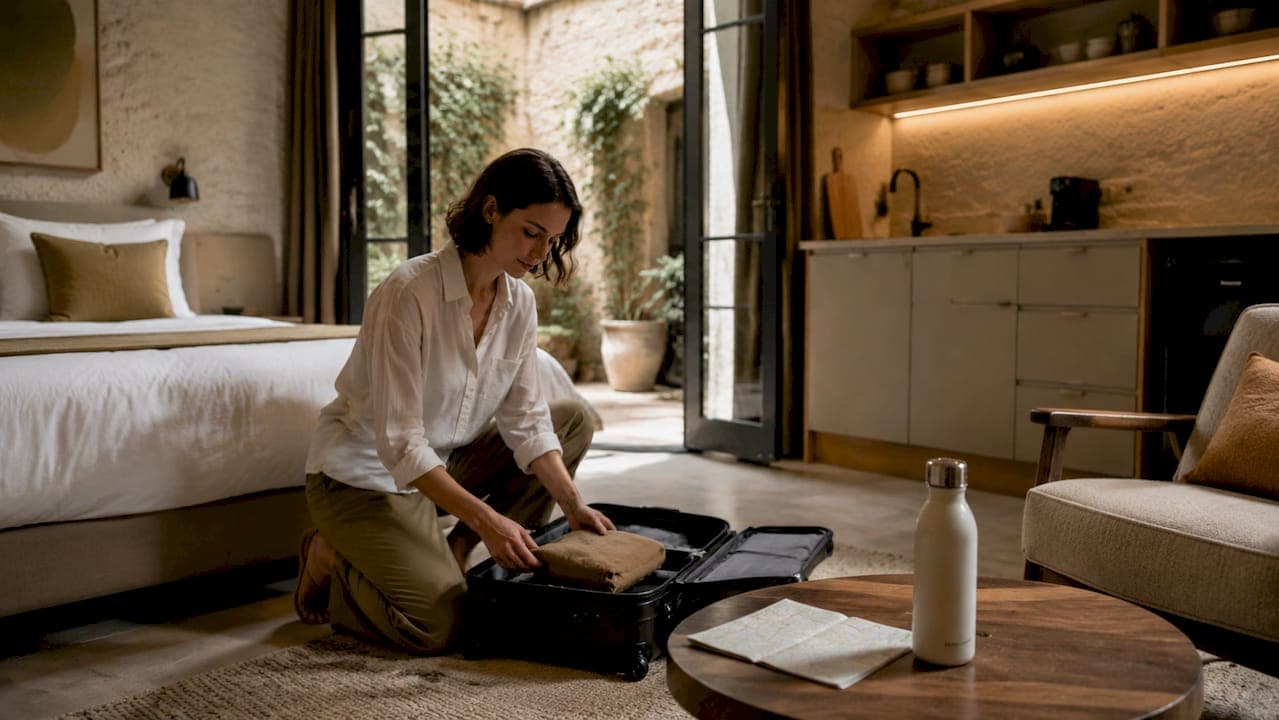
A boutique hotel studio room is a flexible, open-plan space that combines sleeping, living, and kitchen facilities into one unified area, delivering a personalised, residence-like stay within a design-led boutique property. Unlike a standard hotel room, which separates function from comfort, the studio format gives you the freedom to cook, work, relax, and sleep without moving between rooms. Boutique hotels typically operate with 1 to 100 rooms, which means the service is attentive and the design is intentional. For travellers who want more than a bed and a bathroom, understanding what is boutique hotel studio room explained means knowing exactly what you are booking before you arrive.
What features distinguish boutique hotel studio rooms from standard rooms?
A boutique hotel studio room is defined by its open-concept layout that merges the bedroom, living area, and kitchenette into a single, cohesive space. Standard hotel rooms separate sleeping from any semblance of living. Studio rooms remove that boundary entirely, which changes how you inhabit the space from the moment you walk in.
The kitchenette is the feature that most distinguishes a studio from a conventional room. It typically includes a bar fridge, microwave, kettle, and basic cookware. Some boutique properties go further, offering a small stovetop or induction cooktop, which makes the room genuinely functional for self-catering. This matters most for guests staying three or more nights, where eating every meal out becomes expensive and exhausting.
Beyond the kitchen, boutique studio rooms prioritise curated design over raw square metres. You will find:
- Designer lighting that shifts the room's mood from bright and functional during the day to warm and intimate at night
- Curated artwork sourced from local artists or aligned with the hotel's aesthetic identity
- Quality furnishings including sofas, armchairs, or window seats that make the living area genuinely usable
- Spa-style bathrooms with rainfall showers, quality toiletries, and considered finishes
- Workspace nooks with adequate desk space and power points for remote workers
The scale of a boutique property amplifies all of these details. Because the hotel is small, the design team can apply genuine attention to each room rather than replicating a formula across hundreds of identical spaces. Boutique hotels create intimate atmospheres with unique décor that large chain hotels simply cannot replicate at volume.
Pro Tip: Ask the hotel directly whether the studio room includes a stovetop or only a microwave. The word "kitchenette" covers a wide range of setups, and knowing the difference before you arrive saves real disappointment.
How do boutique hotel studio rooms enhance the guest experience?
The guest experience in a boutique studio room is shaped by one central quality: it feels like somewhere you actually live, not somewhere you are temporarily stored. Studio rooms combine bedroom, living area, and kitchenette in a way that encourages guests to settle in rather than simply sleep and leave. That psychological shift changes the entire quality of a stay.
Four specific qualities drive this elevated experience:
- Residential comfort. Having a sofa to sit on, a table to eat at, and a kitchen to use makes the room feel like a temporary home. Guests unpack properly, establish routines, and genuinely rest rather than feeling like they are camping in a hotel bed.
- Personalised amenities. Boutique studio rooms typically include minibars stocked with local products, designer toiletries, and in some cases spa bathrooms with soaking tubs. Boutique studio suites prioritise curated amenities like spa tubs and rooftop access to create immersive stays beyond just extra space.
- Flexibility for different travel styles. Remote workers benefit from the desk space and quiet. Couples appreciate the living area for evening drinks without sitting on the bed. Solo travellers value the self-sufficiency of cooking their own breakfast.
- Cultural connection through design. Boutique hotels use their rooms to reflect the local culture, neighbourhood, or architectural history of the building. Every object in the room is chosen with intent, which means staying in a boutique studio is a form of local immersion that a generic chain hotel cannot offer.
"Boutique hotels create intimate, culture-rich stays unlike large chain hotels, with small size enabling distinctive styling and personalised service." — The Restoration Hotel
The design of the room also affects practical comfort in ways guests rarely anticipate. Lighting and seating configurations in boutique studio rooms critically impact guest comfort and usability. A poorly lit studio with no comfortable seating quickly loses its residential appeal, regardless of how stylish the finishes are.
What variations of boutique hotel studio rooms exist?
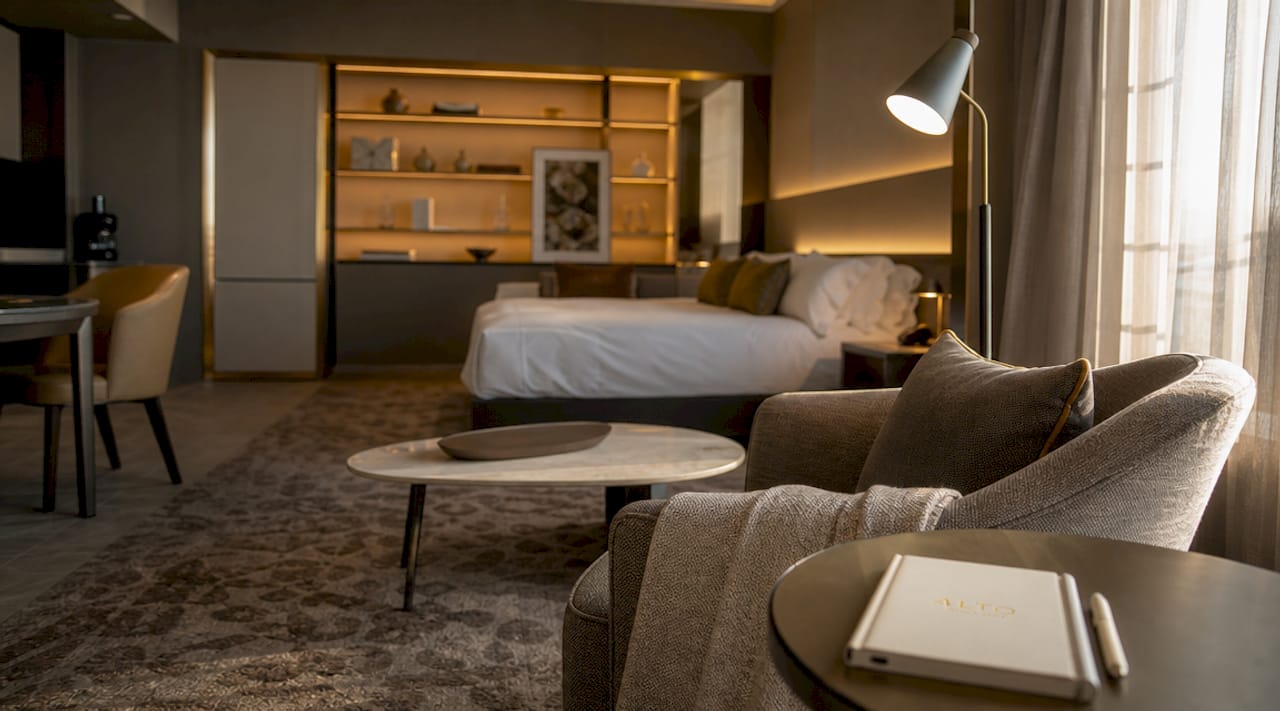
Studio rooms are not a single product. They vary in size, bed configuration, kitchen capability, and additional amenities, and understanding those differences is what separates a good booking from a great one.
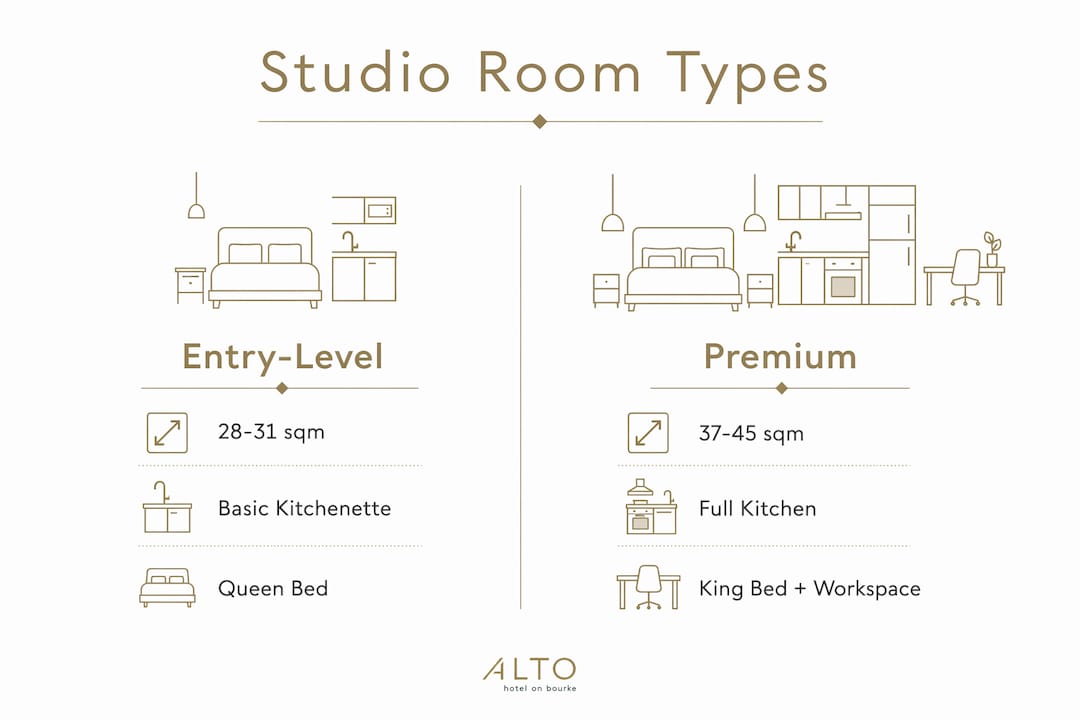
In terms of floor area, boutique studio rooms commonly range from 31 to 37 square metres, though some properties offer compact studios closer to 28 square metres and others push toward 45 square metres in premium configurations. That range matters because the open-plan format means every square metre is visible and felt. A 28-square-metre studio can feel tight; a 37-square-metre studio feels genuinely spacious.
The table below summarises the key variations you are likely to encounter when comparing boutique studio room types:
| Feature | Entry-level studio | Mid-range studio | Premium studio suite |
|---|---|---|---|
| Floor area | 28–30 m² | 31–37 m² | 38–45 m² |
| Bed type | Queen or double | King or queen | King, sometimes convertible sofa |
| Kitchenette | Microwave and bar fridge | Microwave, stovetop, full fridge | Full stovetop, dishwasher, full fridge |
| Bathroom | Standard shower | Rainfall shower | Spa bath or soaking tub |
| Extras | Basic minibar | Minibar, workspace | Rooftop access, spa features, curated art |
Bed configuration is another variable worth confirming. King beds are standard in premium studios, but some boutique properties offer convertible sofa beds in studio suites to accommodate a second guest without moving to a larger room type. If you are travelling as a couple and want a proper king bed, verify this before booking.
Pro Tip: When comparing studio room types, look at the floor plan image rather than just the written description. A room described as "studio with kitchenette" can look very different depending on how the space is divided, and the floor plan tells you what the marketing copy often does not.
How to choose the right boutique hotel studio room for your trip
Choosing the right studio room starts with knowing how you actually travel, not how you imagine you travel. Most guests overestimate how much they will cook and underestimate how much they will value a comfortable sofa.
The most useful questions to ask before booking are:
- How long is your stay? For one or two nights, a standard studio with a microwave and bar fridge is sufficient. For stays of four or more nights, a stovetop and full-size fridge become genuinely valuable.
- Are you working remotely? Confirm the desk setup, chair quality, and Wi-Fi speed. A stylish room with a decorative desk and no ergonomic chair is not a workspace.
- How many guests? Studio rooms are designed for one or two people. If you are travelling with a third person, check whether a convertible sofa bed is included or whether a one-bedroom apartment would serve you better.
- Do you have accessibility requirements? Boutique hotels in heritage buildings sometimes have physical constraints. Contact the property directly to confirm lift access, bathroom configurations, and room entry widths.
- What does "kitchenette" actually include? Confirmation of kitchen amenities is essential to meet traveller expectations, because the label alone tells you very little.
A common misconception is that all studio rooms in boutique hotels are small. The studio format describes a layout, not a size. Some boutique studio suites are larger and better appointed than standard one-bedroom rooms at chain hotels. The distinction is the open-plan configuration, not the square metreage.
Pro Tip: Read recent guest reviews specifically mentioning the studio room type you are considering. Guests who have stayed in that exact room will tell you whether the sofa is comfortable, whether the kitchen is usable, and whether the noise level is acceptable. Marketing copy will not.
Key takeaways
A boutique hotel studio room delivers the most value when the open-plan layout, kitchenette quality, and curated design are matched to your specific travel needs and stay duration.
| Point | Details |
|---|---|
| Studio room definition | An open-plan space combining sleeping, living, and kitchen areas in one unified layout. |
| Boutique hotel difference | Small scale and intentional design create personalised stays that chain hotels cannot replicate. |
| Kitchenette variability | Confirm exact appliances before booking, as setups range from microwave-only to full stovetop. |
| Size and configuration | Studios typically range from 28 to 45 m², with king beds and spa bathrooms in premium options. |
| Booking strategy | Match room type to stay length, guest count, and work or cooking needs before confirming. |
Why boutique studio rooms changed how I think about hotel stays
I used to book hotels the way most people do: find the cheapest room in the right location and assume the experience would be roughly the same everywhere. Boutique studio rooms corrected that assumption quickly.
The first time I stayed in a properly designed boutique studio, I noticed I stopped counting down the hours until checkout. The room had a sofa I actually wanted to sit on, a kitchen I used every morning for coffee and breakfast, and artwork on the walls that made me curious about the city I was in. That is not a small thing. Most hotel rooms are designed to be tolerated, not enjoyed.
What I have found is that the studio format suits a wider range of travellers than the marketing usually suggests. It is not just for long-stay guests or remote workers. Couples benefit from having a living space that is not the bed. Solo travellers benefit from the self-sufficiency. Even short-stay guests benefit from the sense of having a place rather than just a room.
The detail I always check now is the kitchenette. Not because I plan to cook elaborate meals, but because a functional kitchen signals that the hotel has thought seriously about what guests actually need. A microwave and a bar fridge is a gesture. A stovetop, a proper fridge, and real cookware is a commitment to the residential experience the room promises.
My honest advice: do not book a boutique studio room based on the photos alone. Read the room description carefully, look at the floor plan, and contact the hotel if anything is unclear. The best boutique properties will answer those questions with specificity and enthusiasm. That response alone tells you a great deal about the stay you are about to have.
— Kamal
Experience a boutique studio stay at Alto Hotel on Bourke
Alto Hotel on Bourke is Melbourne's premier eco-friendly boutique hotel and one of the first environmentally rated hotels in the city. Its studio rooms are designed with the same care and intention this article describes: open-plan layouts, quality furnishings, and a residential feel that makes a Melbourne stay genuinely memorable.
The Studio King Plus offers a stylish, well-appointed option for travellers who want boutique design with practical comfort. For those travelling with family or wanting more space, the 2 Bedroom Deluxe Apartments provide a natural step up without leaving the boutique experience behind. Alto's Hall of Fame recognition in the Victorian tourism sector reflects a consistent standard that guests return to.
FAQ
What is a boutique hotel studio room?
A boutique hotel studio room is an open-plan accommodation that combines a sleeping area, living space, and kitchenette in one room, set within a small, design-led hotel with personalised service. It differs from a standard hotel room by offering a residential feel and greater guest independence.
How does a studio room differ from a standard hotel room?
A standard hotel room provides a bed, bathroom, and basic furnishings. A studio room adds a living area and kitchenette, making it suited to longer stays, self-catering, and guests who want more than a place to sleep.
Are all boutique hotel studio rooms the same size?
Studio rooms in boutique hotels typically range from 28 to 45 square metres depending on the property and room tier. The label describes the open-plan layout, not a fixed size, so floor area varies significantly between entry-level and premium studio options.
What should I confirm before booking a boutique studio room?
Confirm the exact kitchenette appliances, bed configuration, and whether the room includes a workspace if you need one. The term "kitchenette" can mean anything from a microwave and bar fridge to a full stovetop setup, so asking directly avoids booking surprises.
Are boutique hotel studio rooms suitable for extended stays?
Boutique hotel studio rooms are well suited to extended stays because the kitchenette, living area, and residential design reduce the fatigue of living out of a suitcase. Stays of four or more nights benefit most from rooms with a stovetop, full-size fridge, and comfortable seating.