
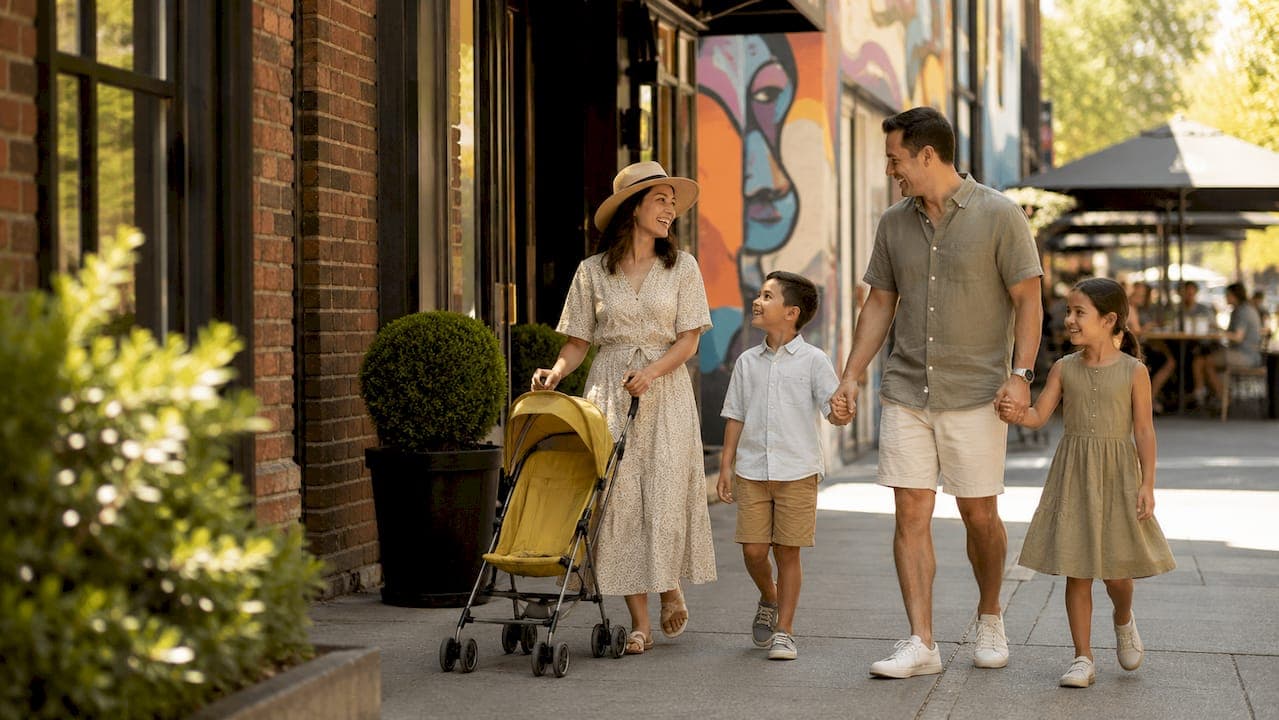
Urban boutique hotels are independently operated city properties with fewer than 100 rooms, designed to reflect local character rather than a corporate template. The benefits of staying in urban boutique hotels for families go well beyond a comfortable bed. Families gain walkable access to cultural attractions, personalised service that treats children as guests rather than inconveniences, and eco-friendly environments that align with how many Australian families now choose to travel. Properties like Alto Hotel on Bourke in Melbourne and The Langham Chicago show that boutique lodging can match chain hotels on comfort while outperforming them on experience. The Family Travel Association consistently identifies location, service quality, and unique local character as the top three factors families weigh when choosing city accommodation.
1. What are the real benefits of staying in urban boutique hotels for families?
Urban boutique hotels give families something large chain hotels structurally cannot: genuine personal attention. Boutique hotel staff remember guest names, track preferences across a stay, and treat families as VIPs rather than room numbers. That difference is felt immediately at check-in and compounds across every interaction.
Smaller properties mean staff-to-guest ratios are higher. A front desk team managing 60 rooms has far more capacity to note that your toddler needs a cot or that your teenager is coeliac than a team managing 400 rooms. This is not a minor comfort. It removes the daily friction of re-explaining your family's needs.
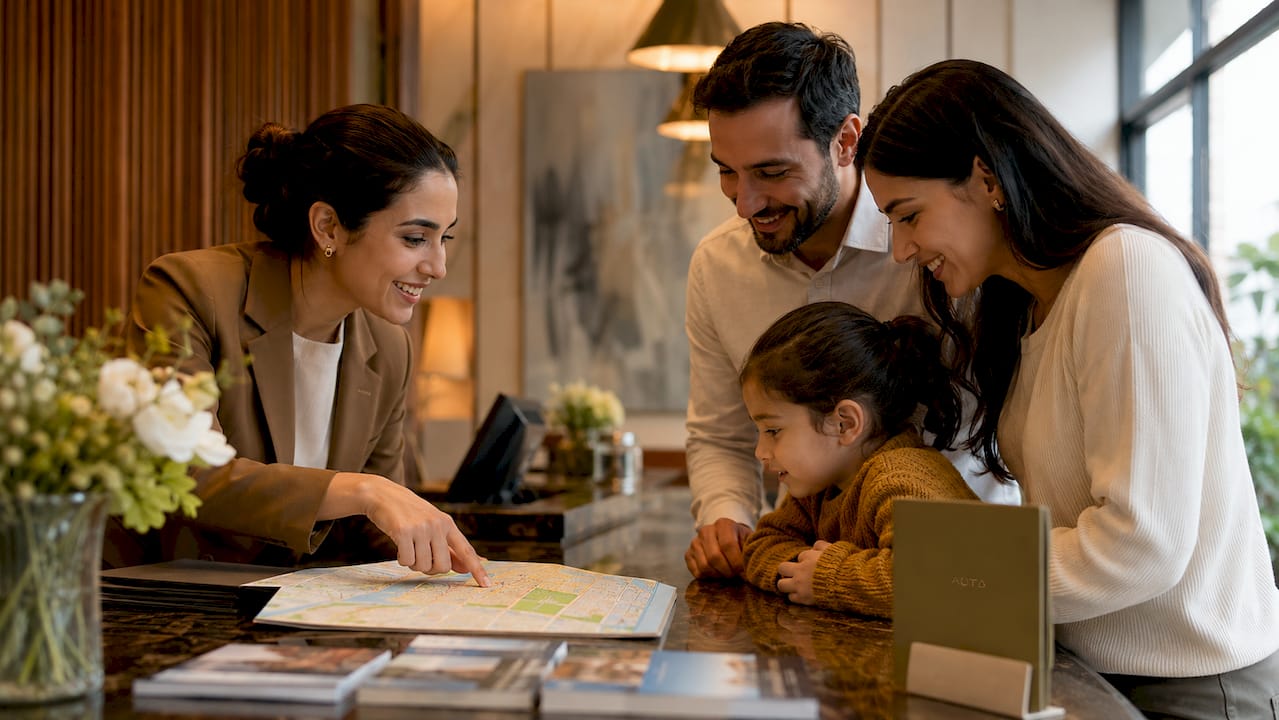
Hyper-local recommendations are another practical gain. Boutique hotel staff typically live in the neighbourhood and can direct you to the park with the best playground, the café that opens at 7 AM, or the museum with free entry on Tuesdays. Chain hotels rely on concierge scripts. Boutique staff rely on personal knowledge.
Pro Tip: When booking, call the hotel directly and mention your children's ages. Request a room away from the lift and close to the breakfast area. Most boutique properties will accommodate this without charge, and it makes mornings significantly easier.
2. Location and walkability: why it matters more than you think
The single most underrated advantage of urban boutique hotels for families is location. Urban boutique hotels are typically positioned within walking distance of parks, museums, galleries, and family-friendly eateries. That proximity is not just convenient. It is financially significant.
The average family travel spend sits at $8,052 per trip. Urban hotels charge a 30% location premium but cut approximately 20% of household transportation costs over the same trip. When you are not paying for taxis, car hire, or daily parking, the premium location pays for itself faster than most families expect.
Parking deserves a specific mention. In historic city centres, secure parking carries daily surcharges of around €22 per day and must be booked in advance. Families who choose a walkable boutique hotel in the city centre often eliminate this cost entirely.
| Cost factor | Driving and staying further out | Walkable boutique hotel |
|---|---|---|
| Daily transport | $25–$50 (taxi or ride-share) | $0 for most attractions |
| Parking | $20–$35 per day | Not applicable |
| Time cost | 30–60 min per outing | 5–15 min walk |
| Stress level | High (logistics, car seats) | Low |
Pro Tip: Before booking, open Google Maps and drop a pin on the hotel. Check walking times to your top three planned attractions. If all three are under 15 minutes on foot, the location is working for your family.
3. Breakfast service and daily routines for families
Early breakfast service starting at 6:30 AM with trained, child-aware staff is one of the most practical differentiators in family-friendly boutique hotels. Jet-lagged children wake early. A hotel that cannot feed them until 8 AM creates an hour and a half of unnecessary difficulty.
Good boutique hotels understand that a family's morning rhythm sets the tone for the entire day. Quick service, high chairs that are actually clean, and a menu that includes something a five-year-old will eat are not luxuries. They are baseline requirements that many large hotels still fail to meet.
Prioritising room placement near breakfast areas and key amenities reduces the time spent moving around the hotel with young children. A room on the second floor, close to the dining area and lift, saves genuine time and energy across a multi-day stay.
4. Family-friendly amenities that go beyond the kids' club
Approximately 65% of families prefer hotels with pools to help children decompress after a full day of city sightseeing. Urban boutique hotels increasingly deliver on this, but the amenity story goes deeper than a pool.
Modern boutique properties now design for family connection rather than child containment. The shift away from traditional kids' clubs toward family lounges and integrated play spaces reflects a genuine understanding of how families actually travel. Parents want to be near their children, not separated from them by a supervised programme.
Key amenities to look for in family-friendly boutique hotels include:
- Kitchenettes or full kitchens for preparing snacks and simple meals, which cuts food costs and accommodates fussy eaters
- Blackout curtains in every room, not just suites, because children's sleep is non-negotiable
- Suites with closing doors between sleeping areas, so adults can stay up after the children are down
- Laundry access on-site, which is critical for stays longer than four nights with young children
Only 14% of children actually meet sleep guidelines during travel, despite 83% of parents assuming they do. Boutique hotels with quieter corridors, well-insulated rooms, and blackout curtains directly address this gap. Better sleep means better days for everyone.
5. Authentic local culture as part of the family experience
Urban boutique hotels are built around a sense of place. Their decor references local history, their menus feature regional produce, and their staff are embedded in the neighbourhood. This is the core of the boutique lodging advantage for families who want travel to be genuinely educational, not just recreational.
Chain hotels deliver a standardised experience by design. A Marriott in Melbourne feels structurally similar to a Marriott in Manchester. A boutique hotel in Melbourne's CBD feels like Melbourne. That distinction shapes what children absorb from a trip.
Practical ways families can engage with local culture through boutique hotel stays:
- Ask staff for neighbourhood walking routes that pass street art, markets, or heritage buildings
- Request a local restaurant recommendation that is not on TripAdvisor's top ten list
- Look for hotels that partner with local artisans or display rotating exhibitions by local artists
- Choose properties that source their breakfast produce from nearby suppliers
Altohotel, for example, partners with local artisans and organisations to enrich the guest experience while supporting Melbourne's creative community. That kind of local cultural connection is built into the property's identity, not added as a marketing afterthought.
6. Eco-friendly practices: a genuine advantage for families
Eco-conscious travel is no longer a niche preference. Many Australian families now actively seek accommodation that aligns with the values they teach at home. Urban boutique hotels, particularly those with formal environmental ratings, deliver on this in ways that large chains rarely match at the property level.
Boutique hotels that integrate eco-friendly practices such as local sourcing, waste reduction, and energy efficiency create healthier indoor environments for children. Fewer synthetic materials, better air quality, and reduced chemical cleaning agents matter when your child has allergies or sensitivities.
Sustainability practices to look for when booking:
- Formal environmental certification, such as EarthCheck or Green Star ratings in Australia
- Local food sourcing at breakfast, which reduces food miles and supports regional producers
- Refillable amenity dispensers instead of single-use plastic bottles
- Linen and towel reuse programmes that children can participate in as a practical lesson
Pro Tip: Before booking, email the hotel and ask one direct question: "What is your current environmental rating or certification?" A hotel that takes sustainability seriously will answer immediately and specifically. Vague answers signal greenwashing.
Altohotel holds the distinction of being one of Melbourne's first environmentally rated hotels, with Hall of Fame recognition in the Victorian tourism sector. Families staying there are not just choosing comfort. They are choosing a property where sustainability is structural, not cosmetic.
Key takeaways
Urban boutique hotels give families the best combination of location, personalised service, and genuine local character available in city accommodation.
| Point | Details |
|---|---|
| Location cuts real costs | A walkable urban hotel reduces transport spending by around 20%, offsetting the location premium. |
| Personalised service reduces friction | Boutique staff remember family preferences and provide local knowledge that chain concierges cannot match. |
| Room layout drives sleep quality | Suites with closing doors, blackout curtains, and proximity to amenities directly improve children's sleep. |
| Culture is built into the property | Boutique hotels reflect local history and art, making the stay itself part of the family's cultural experience. |
| Eco-credentials matter for families | Certified eco-friendly hotels create healthier environments for children and model sustainable behaviour. |
Why boutique hotels changed how I think about family travel
I used to assume that bigger meant better for family trips. More rooms meant more facilities. More facilities meant more to keep the kids occupied. That logic sounds reasonable until you actually travel with children and realise that what they need most is not a waterslide. It is a parent who is not stressed.
The first time I stayed at a boutique hotel in a city centre with my family, the difference was immediate. The staff knew our names by the second morning. They had already noted that my youngest needed a high chair and had it waiting at breakfast. Nobody asked me to fill out a form. Nobody transferred me to a different department. They just handled it.
What I have observed consistently is that neighbourhood convenience and walkability matter more for successful family city trips than any formal childcare programme. When you can walk to a park in eight minutes and a museum in twelve, the day organises itself. When you need to plan transport for every outing, the day becomes a logistics exercise.
The eco-friendly dimension surprised me most. Staying at a property like Altohotel, where sustainability is embedded in the building's design and operations, gave my children something to talk about. They noticed the refillable dispensers. They asked questions. That is a better travel education than any kids' club activity I have seen.
My honest recommendation: prioritise location and service quality over room count and facilities lists. A boutique hotel that knows your family and sits in the heart of the city will outperform a large resort property almost every time.
— Kamal
Stay with Altohotel: boutique comfort built for families in Melbourne
Altohotel on Bourke offers Melbourne families a boutique urban experience with the space and flexibility that city stays demand. The 2-bedroom deluxe apartments are designed with families in mind, featuring separate sleeping areas, full kitchen facilities, and thoughtful eco-conscious interiors. Families who want a little more indulgence can explore the 1-bedroom spa apartments, which combine boutique comfort with relaxing spa features. Located in Melbourne's CBD, Altohotel puts your family within walking distance of the city's best parks, galleries, and dining. As one of Victoria's most awarded eco-friendly hotels, it is the kind of place where the stay itself becomes part of the story you bring home.
FAQ
What makes boutique hotels better than chain hotels for families?
Boutique hotels offer personalised service, walkable city locations, and locally inspired experiences that chain hotels cannot replicate at scale. Staff in smaller properties remember family preferences and provide genuine neighbourhood knowledge.
Are urban boutique hotels more expensive for families?
Urban boutique hotels typically carry a 30% location premium, but families save approximately 20% on transportation costs by staying centrally. The net cost difference is smaller than most families expect.
What room features should families prioritise when booking a boutique hotel?
Look for suites with closing doors between sleeping areas, blackout curtains, kitchenette access, and a floor close to the breakfast area and lift. These features directly reduce daily stress with young children.
How do eco-friendly boutique hotels benefit children specifically?
Certified eco-friendly hotels use fewer synthetic materials and chemical cleaning agents, which creates healthier indoor air quality for children with allergies or sensitivities. They also provide a practical context for teaching children about sustainability.
Is walkability really more important than hotel facilities for family trips?
Research confirms that walkability to parks and attractions matters more for successful family city trips than formal childcare programmes or on-site entertainment. Proximity reduces logistical complexity and keeps the whole family less stressed.